
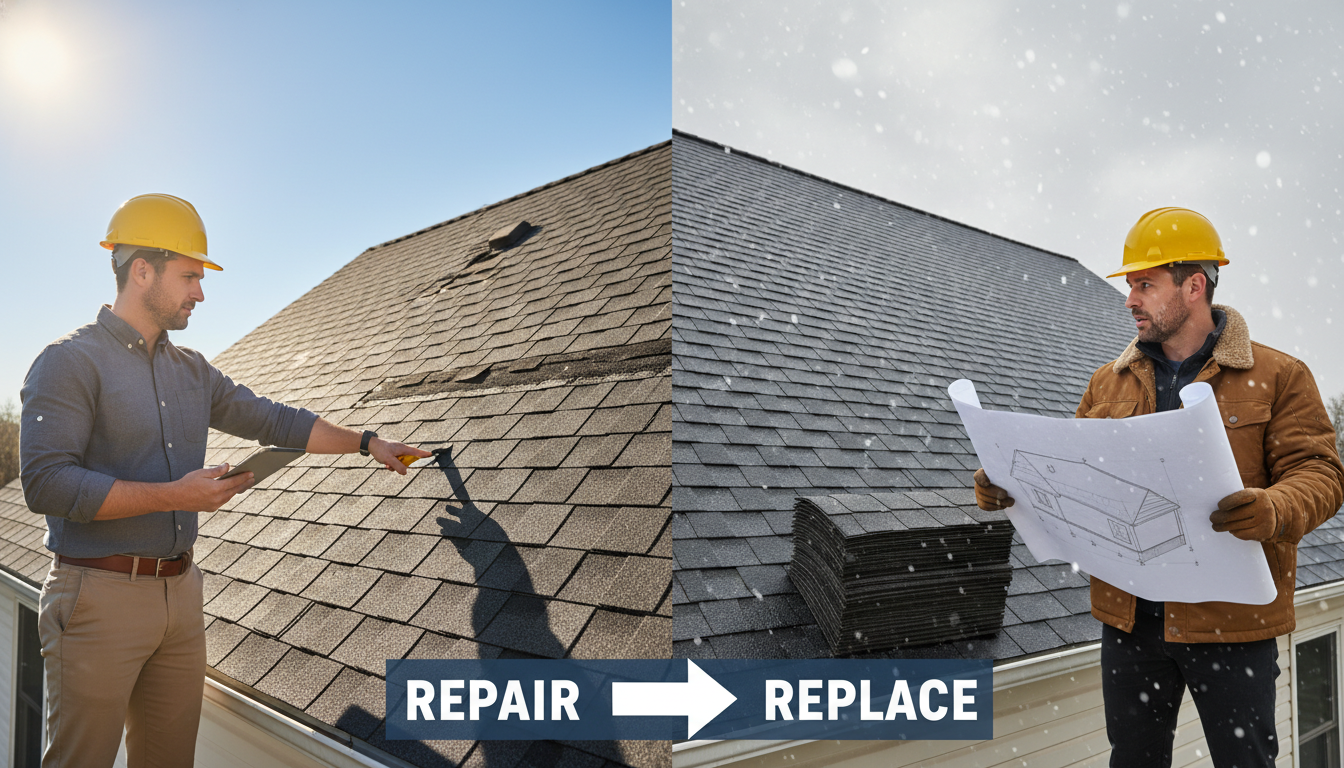
When Is the Best Time to Replace a Roof: Winter or Summer?
Replacing your roof isn’t just about urgency, it’s about timing it right. The season you choose affects how well materials seal, how efficiently crews work, and how long your roof lasts.
In most cases, the best time to replace a roof is fall or spring, when temperatures are more moderate and weather is more stable. In Hemet, California, that usually means late spring or early fall gives homeowners the best balance. Hemet’s average highs run about 81°F in May, 94°F in July, 95°F in August, and 90°F in September, while average winter lows can dip to around 41°F. That is one reason timing matters more in the San Jacinto Valley than it might in a milder coastal market.
That said, summer and winter can still work. The real answer depends on your roof’s condition, the weather at the time of the project, and whether you are dealing with a planned roof replacement or active damage that cannot wait. For homeowners in Hemet or the wider Riverside County area, the next step is usually simple: get a professional roof inspection, confirm whether the damage can wait, and then schedule the work around real conditions instead of guesswork.
This guide breaks down exactly when you should replace your roof, and when you shouldn’t.
Key Takeaways
- Fall is the best time for roof replacement in most regions
- Spring is a strong second option, especially after winter damage
- Summer and winter are possible, but require the right job timing and installation approach
- Temperature directly affects shingle sealing and installation quality
- The right time depends on your climate, roof condition, and contractor availability
Why Timing Matters for Roof Replacement
Roof installation isn’t just construction, it’s material performance.
Asphalt shingles rely on heat to seal properly. GAF notes that the sealing strip needs warmth, sun, and temperatures above 40°F/4°C to activate. If temperatures are too low, shingles may not bond properly. If it is too hot, roof surfaces can become much harsher work environments. The U.S. Department of Energy says a conventional roof can reach 150°F or more on a sunny summer afternoon.
Poor timing can lead to:
- Weak sealing
- Reduced lifespan
- Higher long-term repair costs
That’s why choosing the right season plays a critical role in:
- Roof durability
- Warranty protection
- Overall installation quality
In Hemet, this matters even more because long sun exposure and inland heat can put extra stress on roofing materials. That is why many homeowners work with a local contractor like Outer Shield Roofing to match the job to actual weather conditions and roof condition, not just the calendar.
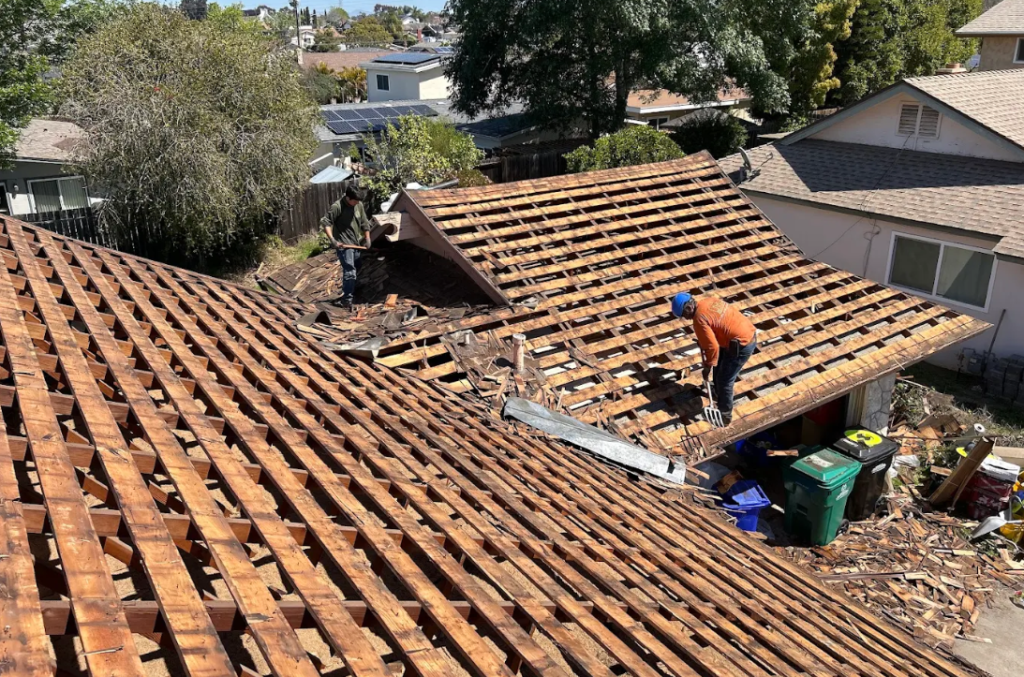
Seasonal Comparison: When Should You Replace Your Roof?
The Best Time to Replace a Roof in Hemet
|
Spring |
Summer |
Autumn |
Winter |
|
|
Best use case |
Planned replacement after a seasonal inspection |
Elective projects, upgrades, and dry-weather scheduling |
Best overall replacement window for most homes |
Urgent replacements, active leaks, or faster scheduling |
|
Primary risk |
Rain delays |
Extreme heat on shingles and roof surfaces |
Busier contractor calendars |
Cooler mornings and weather interruptions |
|
Best fit |
Strong option |
Viable |
Ideal |
Workable, mainly for urgent jobs |
For Hemet homeowners, this table is the simplest way to look at the decision. Spring and autumn are usually the safest windows. Summer can still work, especially earlier in the season. Winter is still possible in Southern California, but it is usually best for situations where waiting creates more risk than moving forward now.
Fall (Best Overall Time)
Fall is widely considered the ideal season for roof replacement.
Why fall works best:
- Moderate temperatures improve adhesion
- Low humidity reduces delays
- Stable weather allows consistent progress
Most contractors prefer fall because conditions are predictable, leading to stronger, longer-lasting installations.
In Hemet, early fall is often especially favorable because the worst inland summer heat starts to ease while conditions stay relatively dry. September average highs trend down from about 94°F at the start of the month to 87°F by the end, which is still warm enough for shingle performance without the worst peak-summer stress.
Example:
A roof installed in early fall typically seals within days, reducing the risk of wind-related problems compared to colder conditions.
Spring (Second Best Option)
Spring is another excellent window, especially if your roof has been affected by winter weather.
Advantages:
- Ideal temperature range for sealing
- Easier to identify winter damage
- Better contractor availability early in the season
Consideration:
- Rain can cause scheduling delays
Despite that, spring remains one of the most practical seasons for residential roofing projects. In Hemet, May average highs rise from about 79°F to 84°F, which is one reason late spring is often a smart time to schedule a roof inspection, make a roof repair if needed, or move ahead with a full replacement before true summer heat arrives.
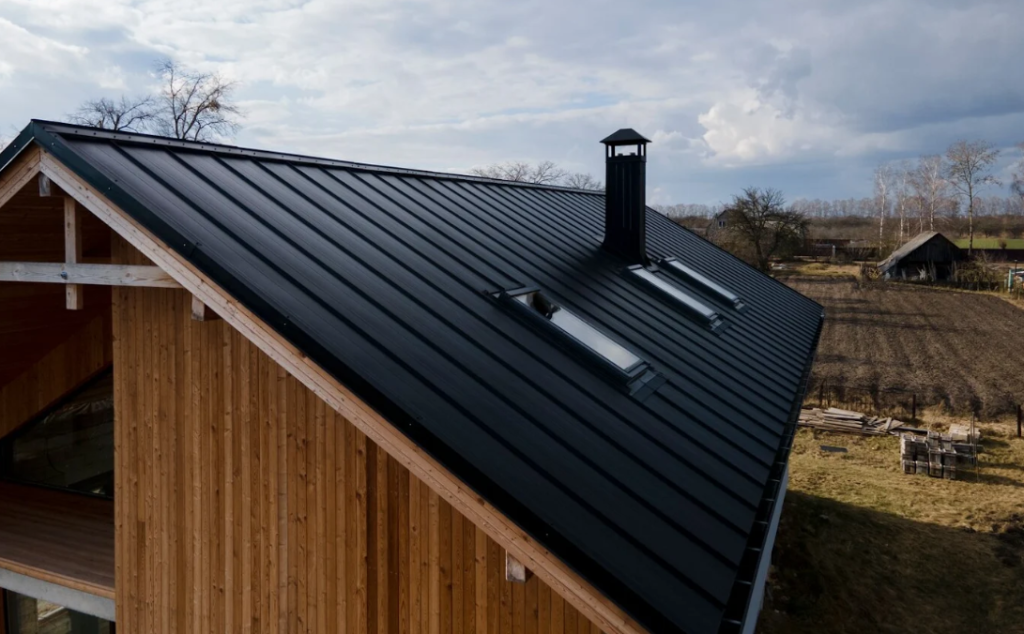
Summer (High Demand, More Variables)
Summer is the busiest time for roofing, but not always the most efficient.
Pros:
- Longer daylight hours
- Faster job completion
- Predictable early summer conditions
Cons:
- Extreme heat can soften shingles
- Higher pricing due to demand
- Scheduling delays
In hot climates, excessive heat can compromise installation quality if not handled properly. ARMA notes that asphalt shingles become more flexible in hot weather and should be handled carefully, while the Department of Energy notes that conventional roofs can reach 150°F or more on a sunny afternoon. That is especially relevant in Hemet and nearby Riverside County communities.
Best approach:
- Schedule in early summer
- Avoid peak heat months when possible
Summer is also a reasonable time for elective projects that include ventilation improvements, reflective roofing upgrades, or a planned asphalt shingle roofing or clay/concrete tile roofing project that is not being forced by an active leak.
Winter (Possible, With Limitations)
Winter roof replacement is possible, but requires experience and careful planning.
Pros:
- Faster scheduling
- Potential off-season pricing
- Less contractor backlog
Cons:
- Cold temperatures affect sealing
- Materials can become brittle
- Weather interruptions
Shingles installed in cold conditions may not fully seal until temperatures rise, which can increase risk if installation isn’t handled correctly. In Hemet, winter is more workable than it is in colder parts of the country, but cooler mornings still matter because shingle sealant activation depends on warmth and sun exposure.
Winter works best for:
- Mild climates
- Urgent replacements
- Experienced contractors using cold-weather methods
If your roof is actively leaking during winter, this is usually the wrong time to wait for summer. In that case, the better question is whether you need a targeted emergency leak repair first or whether the roof has already reached the point where replacement makes more sense
Repair vs Replacement: Should You Wait?
Sometimes timing isn’t your biggest concern, damage is.
Replace Immediately If You Notice:
- Multiple leaks
- Missing shingles across large areas
- Sagging sections
- Interior water stains
You Can Wait If:
- Damage is minor or localized
- No active leaks are present
- The roof is still structurally sound
Important: Waiting for the “perfect season” can lead to more expensive repairs if damage worsens. GAF notes that broken shingles can lead to leaks, then mold, then more serious structural problems if the issue is ignored.
A small, isolated issue may still be a roof repair problem, not a full replacement problem. But widespread damage, repeated leaks, excessive granule loss, sagging, or water staining inside the home usually means the roof needs a full evaluation. GAF lists sagging, excessive granule loss, missing or curling shingles, flashing damage, and stains or watermarks inside the home among the warning signs that a roof needs help.
How Roofing Materials Affect Timing
Different materials perform differently depending on temperature. Explore more insights in our detailed blog posts.
Asphalt Shingles
- Require warmth to seal properly
- Perform best in moderate conditions
Concrete Tile
- Less temperature-sensitive
- Still requires dry, stable weather for installation
General guideline:
Most roofing materials install best when conditions are dry and temperatures are not at either extreme. For asphalt shingles, GAF says the sealing strip needs temperatures above 40°F/4°C to activate properly.
In Hemet, both asphalt shingle roofing and clay/concrete tile roofing are common choices. Asphalt shingles are popular because they are cost-effective, while tile is often chosen for durability and long-term performance in hot California conditions. For homeowners focused on heat control, it is also worth asking about reflective roofing options, since the Department of Energy says cool roofs reflect more sunlight and absorb less solar energy than conventional roofs.
How to Choose the Right Time for Your Roof
The best time to replace your roof depends on three key factors:
1. Climate
- Hot regions → avoid peak summer heat
- Cold regions → avoid freezing temperatures
2. Roof Condition
- Urgent damage → replace immediately
- Preventive upgrade → wait for ideal conditions
3. Contractor Availability
- Fall = best conditions but highest demand
- Winter = more flexible scheduling
Pro Tip:
Book your project ahead of the season you want, especially in Hemet where spring and fall are often the most comfortable times to work.
Local scheduling also matters more than many homeowners expect. The City of Hemet lists re-roof work among activities that require permits, and the city says emailed permit submittals may have an approximately two-week processing delay. For homeowners in the Hemet service area and across the Riverside County service area, that means the best time to start planning is usually earlier than the best time to install.
Choosing the Right Roofing Contractor
Even perfect timing won’t fix poor installation. That’s why choosing the right contractor matters. For more insights on selecting a trustworthy roof repair company, explore our linked resource.
Look for a contractor who is:
- Licensed and insured
- Experienced in your local climate
- Transparent with pricing and timelines
- Backed by strong reviews and warranties
For California homeowners, licensing matters. CSLB identifies roofing as the C-39 Roofing Contractor classification and says roofing work involves installing products and repairing surfaces that seal, waterproof, and weatherproof structures. CSLB also states that C-39 contractors cannot file a workers’ compensation exemption and are required to have proof of workers’ compensation insurance or self-insurance on file.
Industry organizations such as the Roofing Contractors Association of California (RCAC) and the National Roofing Contractors Association (NRCA) are also useful trust signals when you are comparing contractors or looking for roofing guidance. For homeowners in Hemet, the San Jacinto Valley, and the wider Riverside County market, a local company like Outer Shield Roofing makes sense in this section because local climate experience matters when you are weighing timing, materials, and whether the problem is repairable or not.
Final Verdict: Winter or Summer?
- Best overall: Fall
- Next best: Spring
- Summer: Good with the right timing
- Winter: Works in specific conditions
The truth is, the best time to replace your roof is when you align:
- Favorable weather
- Proper temperature conditions
- A qualified contractor
For Hemet homeowners, that usually means late spring or early fall. Summer can still work, especially earlier in the season. Winter can also work in Southern California when the roof condition makes waiting a bad idea.
Schedule a Roof Inspection and Plan Ahead
Replace Now or Wait?
Every roof is different, and timing can significantly impact performance and cost.
If you’re unsure when to move forward, the smartest next step is simple:
Schedule a professional inspection and get a customized plan for your roof or give us a call at 7609079252 .
Planning ahead gives you better scheduling, better results, and a longer-lasting roof.
Use this quick checklist before you decide to delay the project:
- Active leak
- Missing shingles
- Structural sagging
- Interior staining
- Recent storm damage
- Only minor, isolated issues
If the first five sound familiar, waiting usually adds risk. If the last point is the only one that applies, you may have time to schedule the work for a better weather window. GAF advises homeowners to act early on leaks and visible damage because minor roof problems can escalate into bigger and more expensive issues.
Every roof is different, and timing can significantly impact performance and cost.
If you’re unsure when to move forward, the smartest next step is simple:
Schedule a professional roof inspection and get a customized plan for your roof.
That helps you answer the real question faster: can this roof wait for a better season, or does it need attention now? For homeowners in Hemet, Outer Shield Roofing is the natural fit for that next step because the company’s services line up directly with what this page is helping users decide: roof replacement, roof repair, inspections, and leak-related service in the local market.
Frequently Asked Questions
What is the best season to replace a roof?
Fall and spring are typically the best times due to moderate temperatures and more stable weather. In Hemet, late spring and early fall are often the most practical windows.
Can roof replacement be done in winter?
Yes, especially in mild climates, but it requires experienced contractors and proper precautions. In Hemet, cooler mornings can slow shingle sealing, but winter work is still possible when the roof cannot wait.
Is summer too hot for roofing in Hemet?
Not always, but peak summer can be harder on both materials and crews. That is why early summer is usually easier to manage than the hottest stretch of July and August.
How do I know whether I need repair or replacement?
Minor, isolated damage may be repairable. Multiple leaks, sagging, widespread missing shingles, excessive granule loss, or interior water stains usually point to a more serious roofing problem that needs a full evaluation.
Do I need a permit for a re-roof in Hemet?
Yes. The City of Hemet lists re-roof work among activities that require permits.
What should I verify before hiring a roofer in California?
Check licensing, insurance, scope of work, warranty details, and local climate experience. In California, roofing falls under the C-39 classification, and C-39 contractors are required to have workers’ compensation coverage or self-insurance on file with CSLB.
Where can I find reliable roofing information?
Good starting points include the NRCA, RCAC, the City of Hemet for permit rules, and CSLB for contractor licensing information.