
What if the money you spend fixing your roof today ends up costing you twice as much tomorrow?
Your commercial roof protects everything beneath it — your inventory, your employees, and your daily operations. In the Inland Empire, where strong sun and seasonal storms accelerate wear, knowing how to pick the right local contractor is as important as deciding between Commercial Roof Repair Or Replacement. Most commercial roofs last between 20 and 30 years, but regional heat, UV exposure, and occasional storm damage can shorten that span.
Minor issues like cracked tiles or small leaks don’t always mean you need a brand-new roof. Local business roof repair services can fix isolated damage quickly, keeping costs down and minimizing disruption to operations. Skilled contractors in the Inland Empire will evaluate whether targeted repairs will meet your short-term needs or whether a larger project is the smarter long-term move.
There comes a point when patching things up no longer makes sense. Once a commercial roof has passed its expected lifespan or the damage is widespread, a full replacement gives you a clean slate. A properly installed commercial roofing system can improve energy performance — lowering cooling loads during hot Inland Empire summers — and reduce maintenance costs over the next 20–30 years.
The right choice depends on your roof’s current condition, your budget, and your long-term goals. A qualified local roofing contractor Inland Empire will inspect your roof, explain trade-offs, and outline the services and warranties you need. For industry standards and best practices, consult the National Roofing Contractors Association at nrca.net.
Key Takeaways
- Commercial roofs typically last 20 to 30 years; local climate affects that range.
- Targeted repairs are cost-effective when damage is limited and the roof structure is sound.
- Full replacement is wiser when age or widespread damage threatens your building and operations.
- Choosing an experienced local company ensures the right materials, work process, and energy-saving options for Inland Empire conditions.
- Ask prospective contractors about specific services, written warranties, and references from nearby projects.
- Regular maintenance and inspections by a qualified contractor extend roof life and protect your business.
Understanding Common Roofing Problems
Your commercial roof works hard every day in the Inland Empire. Intense sun, wide temperature swings, and the occasional storm all contribute to faster wear. Spotting common problems early helps you act quickly, limit damage, and avoid costly full replacements.
Flashing Failures
Flashing seals transitions around vents, skylights, rooftop units, and roof edges. If flashing cracks, separates, or loses sealant, water will find its way in. Even a tiny gap in the flashing can cause long-term interior damage. During an inspection, a contractor will look for rusted fasteners, separated seams, and improperly lapped flashing to determine whether the flashing needs repair or replacement.
Underlayment Wear
The underlayment is a backup barrier under the roof surface. Prolonged UV exposure and heat cycling in the region can degrade underlayment, so surface patching alone may not solve recurring leaks. New industrial-grade underlayments and membranes are more resistant to heat and UV and can extend your roof’s service life.
Storm Damage
Storms often produce the most visible, urgent problems. Typical storm-related issues include:
- Lifted or torn membrane sections
- Punctures from airborne debris
- Displaced gravel or ballast on flat roofs
- Clogged drains causing ponding water
If you see these signs after a storm, document the damage with photos and contact a qualified inspector promptly. You can verify a contractor’s license or file a complaint via the California contractor registry at rcacal.com, or find local contractors and chapter information through the Roofing Contractors Association of Southern California at rcasocal.wildapricot.org. Also consider your insurance policy — many commercial policies require prompt documentation after storm damage.
Roof Leaks After Rain
Water stains on interior ceilings or walls after rain are a clear sign of a leak. Repeated leaks at the same location usually mean the roof system has underlying issues that simple repairs won’t fix. Have a trained contractor inspect the roof to identify whether the leak source is flashing, membrane puncture, seam failure, or underlayment breakdown.
A proactive approach—documenting damage, photographing the problem areas, and scheduling a prompt inspection—reduces repair time and preserves your building and contents.
Quick checklist for a safe preliminary inspection (do not climb the roof yourself unless trained):
- From ground level, look for visible membrane tears, missing ballast, and sagging areas.
- After storms, photograph roof drains and ponding areas, and note when the water appeared.
- Keep a dated log of leaks, repairs, and inspections to share with contractors and insurers.
Evaluating the Condition of Your Roof
Before you choose repair or replacement, you need a clear picture of your roof’s condition. A thorough assessment prevents spending on quick fixes that don’t address deeper problems. Whether your building uses EPDM, TPO, or asphalt shingles, spotting warning signs and documenting them helps you and your contractor make a cost-effective decision.
Signs of Aging Roofs
Roofs older than 20 years commonly show age-related issues. Watch for these signs across the roof and inside the building:
- Sagging or uneven areas across the roof deck
- Widespread water stains on interior ceilings
- Granule loss on asphalt shingles
- Bubbling, blistering, or seam separation on flat membranes
Regular commercial roof maintenance slows deterioration, but age catches up with every material. During an evaluation, a contractor should note the percentage of the roof affected, the condition of flashings and penetrations, and whether rooftop equipment is contributing to wear.
Missing Shingles and Cracked Roof Tiles
A few missing shingles may be an easy repair; widespread shingle loss or cracked tiles indicate systemic issues. Cracked or missing elements allow moisture to penetrate and accelerate underlayment and deck damage. For authoritative guidance on shingle installation and expected performance, consult industry sources such as the NRCA (nrca.net) and product manufacturer specifications.
Heat Damage to Roofing Materials
In the Inland Empire — including areas like Hemet and Riverside — intense sun and thermal cycling speed material breakdown. Reflective membranes like TPO perform well in this climate because they reflect solar heat, helping lower cooling loads and energy costs. Ask contractors about experience with cool-roof systems and about expected energy benefits for your building type.
| Roofing MaterialHeat ResistanceTypical Lifespan | ||
| TPO Membrane | High – reflects UV rays | 20–30 years |
| EPDM Rubber | Moderate – absorbs some heat | 25–30 years |
| Asphalt Shingles | Low to Moderate | 15–25 years |
A qualified roofing specialist can determine whether heat damage is surface-level or has compromised the roof system and deck.
What to document before your contractor visit: take dated photos of problem areas (include close-ups and context shots), note when leaks occur, and gather any past repair records or warranties. During the inspection, confirm the contractor’s familiarity with TPO and EPDM systems and request references for recent Inland Empire projects — local experience matters for material selection and proper installation.
Repair vs. Replacement: Making the Right Decision
Deciding between repair and replacement is one of the biggest roof-related decisions a property owner makes. Consider the roof’s age, the extent of visible and hidden damage, your budget, and your long-term plans for the building. Local, experienced commercial roofing contractors will evaluate these factors and recommend the most cost-effective path.
Cost Considerations
Repairs are less expensive up front and are appropriate when damage is isolated and the roof system is otherwise sound. However, repeated small repairs over time can add up. Restoration—such as applying a reflective coating or replacing worn membrane sections—is a middle ground that can extend service life without the full cost of replacement.
Keep in mind: regional labor rates, building size, roof access, and choice of roofing materials all affect cost. In the Inland Empire, request 2–3 written quotes from local contractors and compare line-item scopes, warranties, and emergency response times before deciding.
Lifespan of Roofing Materials
Typical commercial roof lifespans vary by material and installation quality. When a roof is near or past the expected life of its material, repairs are often short-term fixes. Consider these practical decision points during the contractor inspection:
- If more than 25–30% of the membrane is compromised, plan for replacement.
- If the roof is within five years of its expected lifespan and shows systemic issues, replacement is usually the better long-term value.
- If damage is localized and the majority of the system is sound, targeted roof repair or restoration can be effective.
| Option Estimated Cost Expected Lifespan Added | ||
| Targeted Repair | $500–$3,000* | 1–5 years |
| Building Roof Restoration | $3,000–$15,000* | 10–15 years |
| Full Replacement | $15,000–$50,000+* | 20–30 years |
*Costs are estimates and vary by region, building size, and project complexity. Confirm current local pricing with written proposals.
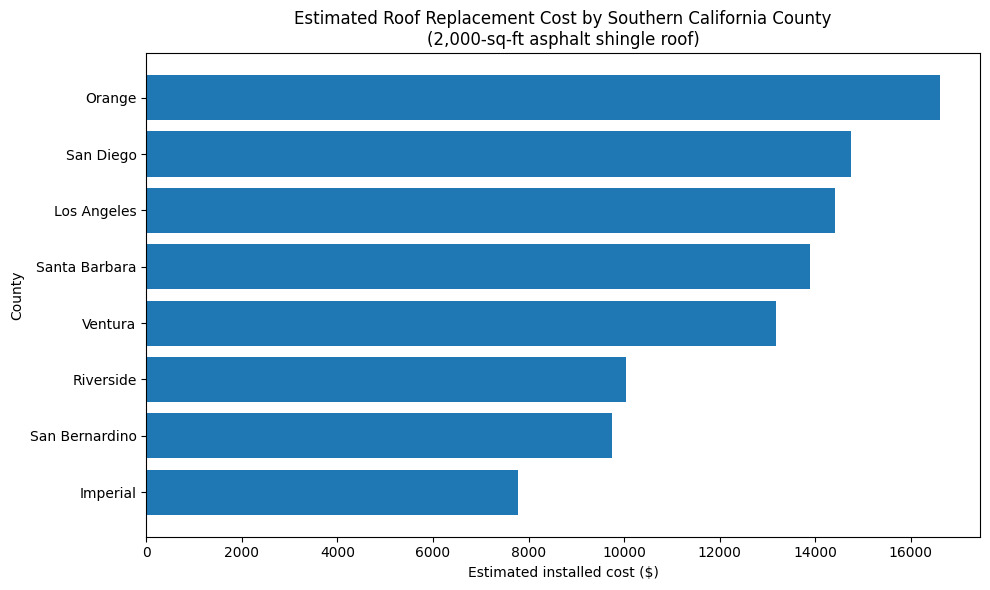
*The image above represents bare minimum cost, please ask for an estimate as the price will probably be higher than stated above.
Long-term Value and Energy Efficiency
A new or restored roof does more than stop leaks. Modern, light-colored coatings and reflective membranes reduce surface temperatures, which lowers energy use for cooling during hot Inland Empire summers. Properly specified roofing systems can deliver measurable energy savings and reduce long-term maintenance costs—factors that often make replacement or restoration a smart investment for businesses and commercial properties.
Before you commit to a project, verify the contractor’s credentials and local affiliations. Check the California Contractor Registry at rcacal.com and look for membership in regional organizations such as the Roofing Contractors Association chapters (for example, RCASoCal) or regional builder/contractor councils like ARCBAC. These affiliations indicate ongoing training, standards compliance, and local project experience.
Common Roof Repair Services
Keeping your commercial roof in good shape doesn’t always mean a full replacement. Many problems can be resolved with targeted repair work and ongoing service. Knowing which roofing services are available helps you act quickly to protect your commercial property and avoid larger, costlier projects down the line.
Roof Leak Repair
Water leaks are one of the biggest threats to any commercial building. Leaks can appear after storms or as materials age. Emergency roof repair stops immediate water intrusion and prevents mold and interior damage. A qualified contractor will locate the source—whether a membrane puncture, seam failure, or flashing leak—and provide a written repair plan and price.
Roof Inspections
Regular inspections are a core part of proactive roof care. A professional inspection documents the roof’s condition, identifies weak areas (flashings, seams, penetrations), and recommends repairs or maintenance. Inspection reports should include photos, a prioritized list of issues, estimated costs, and a timeline. For inspection standards and training, consult industry guidance from the NRCA at nrca.net.
When comparing contractors, ask to see sample inspection reports and verify credentials. Confirm the company carries proper insurance and bonding and check licensing at the California Contractor Registry (rcacal.com).
Roof Maintenance
Routine maintenance prevents small problems from becoming large ones. Typical maintenance tasks include:
- Clearing debris and verifying drains and scuppers are free-flowing
- Inspecting and resealing flashing and roof penetrations
- Replacing worn membrane sections or damaged shingles
- Applying waterproof or reflective coatings where appropriate
| ServiceFrequencyPrimary Benefit | ||
| Leak Repair | As needed | Prevents interior water damage |
| Professional Inspection | Twice per year (and after major storms) | Early detection of wear and defects |
| Preventive Maintenance | Quarterly (site dependent) | Helps extend roof life and reduce emergency repairs |
| Waterproof/Reflective Coating | Every 3–5 years | Reduces leakage risk and lowers cooling loads |
When you request proposals, require line-item scopes, stated response times for storm damage, and written warranties on materials and labor. Include a clause for storm-damage response in your maintenance contract to protect against seasonal events that cause storm damage in the Inland Empire. For local contractor listings and chapter resources, consider RCASoCal at rcasocal.wildapricot.org.
Investing in routine inspections and maintenance now saves time and money by reducing the frequency and scope of major repairs or premature replacements. Choose a company with clear processes, good references, and a proven track record with nearby customers and commercial projects.
Selecting a Roofing Contractor in the Inland Empire
Finding the right team for your commercial roof project in the Inland Empire is essential. The right contractor evaluates whether damage is limited or systemic, considers the roof’s age and materials, and recommends the most cost-effective solution—repair, restoration, or replacement.
Importance of Experience and Reviews
Experience matters. Choose a company with proven experience working on TPO, EPDM, and other local roofing systems common in the region. Rather than relying solely on general review sites, confirm local reputation by asking for references from nearby projects and checking membership in professional organizations. Verify licenses and complaints at the California Contractor Registry (rcacal.com) and look for regional chapter involvement such as RCASoCal or industry groups like ARCBAC.
Outer Shield Roofing has garnered an impressive reputation in the Hemet area, boasting 28 five-star reviews that reflect our commitment to quality and customer satisfaction. Known for our impeccable service and expertise in various roofing systems, they have established themselves as a trusted choice for local residents. For more information, you can visit our Google My Business page (https://www.google.com/maps/place/Outer+Shield+Roofing).
Questions to Ask Your Contractor
Before signing a contract, get clear answers and documentation. Key items to request include:
- Proof of license, bonding, and insurance (including worker’s comp)
- Details on the crew and years experience with the specific system you have
- Itemized, written proposals and a defined project timeline
- Sample warranties for materials and labor and terms for maintenance
- Local commercial references and photos of recent jobs in the same areas
A reputable company will provide these without hesitation and will explain the full process, including permits, inspections, and cleanup.
The Role of a Roof Consultation
Schedule an on-site consultation and require a written report. During the visit, the contractor should assess deck condition, membrane integrity, flashing, and rooftop equipment impacts. Use a simple scoring checklist to compare bids: experience (local projects), references, warranty quality, insurance, and proposed timeline. Ask for 2–3 quotes and, if possible, visit one completed project to speak with customers directly.
Conclusion: Maintaining Your Commercial Roof
Your commercial roof is a critical asset for your business. Deciding between repair or replacement affects your budget, safety, and long-term operating costs. The right choice depends on your roof’s condition, maintenance history, and the local climate in the Inland Empire.
Importance of Regular Inspections
Regular inspections catch small problems before they become major issues. Schedule professional inspections at least twice per year and after severe weather events. Inspections documented in writing with photos and a prioritized repair list help you plan and reduce unexpected expenses.
Early detection can mean the difference between a simple repair and a full replacement. Consistent maintenance and timely roofing repairs extend service life and protect your commercial property.
When to Contact a Local Contractor
If you find leaks, visible membrane damage, sagging areas, or repeated issues in the same spot, contact a qualified local contractor right away. When searching, look specifically for a reputable roofing contractor Inland Empire—one who knows the region’s heat, UV exposure, and storm patterns.
Verify a contractor’s license and complaint history at the California Contractor Registry (rcacal.com), review industry best practices at the NRCA (nrca.net), and check for local chapter membership such as RCASoCal or regional councils like ARCBAC. These steps help confirm the contractor’s qualifications and local project experience.
FAQ
How do I know if my commercial roof needs repair or full replacement?
What are the most common problems that affect commercial roofs?
How long does a commercial roof typically last?
Is it more cost-effective to repair or replace a commercial roof?
What should I look for when selecting a commercial roofing contractor?
How often should I schedule professional inspections for my commercial roof?
To schedule an inspection in the Inland Empire, request written estimates from 2–3 local contractors, verify licensure at RCACal, and confirm local references. These steps help ensure you select a qualified roofing contractor and protect your building for the long term.