
Even moderate gusts can quietly start a chain reaction of wind-related problems for your roof. While many homeowners expect dramatic failures like fallen trees, more commonly wind lifts shingles and breaks protective seals, creating a hidden path for moisture before a visible leak appears inside your home.
Outer Shield Roofing is your local roofing expert for identifying subtle wind damage to roof systems — our trained team spots tears and seal failures a quick walk-around might miss. In Southern California, even seasonal wind events can create small failures that worsen over time; early inspection reduces long-term repair damage.
Professional assessments matter because every layer of the roof needs to work together to protect your family. Explore an asphalt shingle setup for details on how these components fit together. Ready for an inspection? Schedule a free assessment via our contact form: Schedule an inspection.
Key Takeaways
- Gale-force gusts and common seasonal winds can create hidden threats to your shelter.
- Shingle seals often fail without dramatic, visible destruction.
- Moisture frequently enters beneath the top protective layers before interior signs appear.
- Early detection prevents costly structural repairs down the road.
- Professional inspections give homeowners peace of mind after strong winds.
- Integrated roofing systems require expert evaluation following intense weather events.
How Wind Forces Create Damage on Residential Roofs
Wind does more than push against your house — it creates suction and uplift that work against the roofing system. Those invisible pressures can compromise even well-installed assemblies during a storm, and repeated exposure to moderate winds gradually weakens the exterior over time.
Understanding Wind Uplift Pressure on Roofing Materials
When wind flows over your home it produces a vacuum effect commonly called wind uplift pressure. Instead of pressing roofing components into the deck, uplift pulls upward on roofing materials, stressing adhesive seals and fasteners.
How uplift creates failure (quick checklist):
- Wind breaks the adhesive bond along shingle tabs.
- Once peeled, a shingle acts like a sail and catches more air.
- Increased load on nails and clips eventually loosens fasteners.
Significant damage occurs when this cycle repeats — small seal breaks let more wind under the material, accelerating deterioration of the system.
Why Roof Edges and Corners Take the Most Impact
Airflow accelerates around the perimeter of the structure, creating concentrated stress at ridges, eaves, and corners. These areas routinely show the earliest signs of failure.
- Edges can experience forces up to 2–3× greater than central roof fields (varies by geometry and exposure).
- Negative pressure is strongest on the leeward side where air detaches from the surface.
- Reinforced edge details and mechanical fastening are important to resist concentrated uplift.
How High Winds and Gusts Differ in Their Damage Patterns
Sustained high winds in the 40–50 mph range often weaken fasteners and adhesive strips over hours, producing widespread, progressive failures. By contrast, sudden gusts — which can spike much higher — may produce immediate, localized loss of materials.
| Force TypeVelocity RangePrimary Impact | ||
| Gale-force winds | 39-54 mph | Weakens seals and loosens fasteners |
| Severe gusts | Up to 70 mph | Immediate damage and shingle displacement |
| Hurricane-force winds | 74+ mph | Potential for total material removal |
To protect your roof, focus inspections on edges and transitions after any high-velocity event. If you suspect uplift or see missing pieces, request an uplift inspection — Request an uplift inspection — or follow the step-by-step checklist in our inspection guide later on this page.
Identifying Visual Signs of Wind Damage to Roof Surfaces
After a heavy storm, a careful perimeter walk often reveals the first signs of wind damage to your roof. You don’t need to climb onto the roof to spot trouble — use binoculars from the ground and look for changes in the roof’s profile, color, or texture that suggest the protective layer has been compromised.
Early detection prevents small issues from becoming expensive structural repairs. If you see anything concerning, document it with photos and contact a professional rather than attempting risky DIY rooftop work.
Missing Shingles and Bare Spots on Your Roof
Missing shingles are the most obvious sign of high-velocity uplift. Bare dark patches or exposed underlayment indicate the protective layer is gone and the underlying material is open to rain. If you find missing pieces, this creates an immediate risk for leaks during the next rainfall.
Partial tears — where a shingle is ripped but still attached — are subtler and often overlooked. Both complete loss and partial tears reduce the roof’s ability to shed water and can allow moisture to penetrate beneath the surface.
What to Photograph
For insurance and contractor reviews, take the following:
- Wide shots of the whole roof and yard showing context.
- Close-ups of missing shingles, curled edges, or exposed underlayment.
- Photos of granules collected in gutters or on the ground.
- Images of any fallen branches or visible punctures.
Exposed Underlayment and Waterproofing Material
If the outer layer is stripped, the dark underlayment becomes exposed to UV and standing water. This waterproofing layer degrades faster when uncovered, accelerating interior damage and increasing the risk of leaks.
Curled, Lifted, or Creased Shingle Edges
Look for “crease lines” or lifted tabs where wind folded shingles backward during a gust. Even when a shingle lies back flat, a broken factory seal lets water and wind reach the layers below. Shadows under edges usually indicate failed seal strips.
Broken Seal Strips and Shingle Tab Displacement
Visible shadows or lifted tabs are reliable indicators that the seal strips have failed. Properly installed shingles should lie flat; if they don’t, rain can be driven beneath them during the next wind-driven event.
Granule Loss Across Shingle Surfaces
Severe wind damage often strips protective granules from shingles, leaving darker, “bald” patches on the roof and accumulations of grit in gutters. Granule loss exposes the asphalt core to the sun, speeding material deterioration.
Storm Debris Impact: Branches, Dents, and Punctures
Fallen branches and other debris can puncture or dent the surface, creating weak points that develop into larger failures over time. Even small impacts can compromise vents or flashing and lead to hidden storm damage.
Outer Shield Roofing’s comprehensive inspections catalog all visual damage indicators to ensure your home receives complete protection restoration.
| Damage TypeVisual IndicatorImmediate Risk Level | ||
| Missing Shingles | Bare dark patches or exposed wood/underlayment | High – Potential for Leaks |
| Curled Edges | Lifted tabs or visible shadows | Medium – Wind-driven Water |
| Debris Impact | Broken branches, dents, or punctures | High – Structural Breach |
| Granule Loss | Bald spots or grit in gutters | Low – Accelerated Aging |
Document & Report: capture the images above, make a short inventory, and then submit your photos when you contact Outer Shield Roofing for a professional review and insurance consultation.
Hidden Wind Damage That Requires Professional Detection
A quick driveway look often misses critical issues — many serious wind damage problems hide beneath intact shingles and require a trained eye. Visual checks are useful, but professional inspections identify the subtle failures that lead to long-term structural loss.
Outer Shield Roofing performs comprehensive evaluations that go beyond surface observations. Our inspections include targeted checks designed to find concealed issues before they cause costly repairs.
Underlayment Wear and Tears Beneath Intact Shingles
Wind can stress roofing materials enough to tear or stretch the underlayment without removing the shingles. Repeated lifting and flexing creates micro-tears that let moisture migrate into the deck and framing over time.
Even when the outer layer looks fine, the waterproofing barrier underneath may be compromised — a condition that often accelerates rot and interior damage if left undetected.
Flashing Failures Around Chimneys, Vents, and Skylights
Transition areas around chimneys, skylights, and vents are common failure points in high wind events. Metal flashing and the sealant that bonds it to the roof can separate or crack, creating direct pathways for water.
Loose Metal Flashing and Separation
Powerful gusts can pry flashing away from fasteners or roofing connections. This separation bypasses primary defenses and leads to interior leaks if not secured promptly.
Professional inspectors verify flashing attachment and look for hidden gaps. Early detection here can convert a minor repair into a quick, low-cost fix instead of a larger restoration.
Compromised Sealant and Water Entry Points
Sealants age and can crack or peel under storm pressure. When sealant fails, wind-driven rain is able to reach seams and fasteners that are normally dry, causing hidden leaks that are difficult to see from the ground.
These entry points require close inspection — often from the roof surface or attic — to confirm the integrity of the adhesive bond and mechanical connections.
Interior Warning Signs: Attic Leaks and Ceiling Water Stains
Sometimes the first signs of damage appear inside. Check your attic for damp insulation, dark streaks on rafters, or active drips after heavy weather. These are often the first indicators that the exterior barrier has been breached.
Addressing these leaks early prevents mold growth and expensive drywall or structural repairs.
Roof Deck Damage and Structural Concerns
Severe wind can loosen deck fasteners or create stress points that reduce structural capacity. Professional roof repair services from Outer Shield Roofing include deck evaluation to find hidden sagging or fastening failures before they worsen over time.
Alejandro and his crew were professional, punctual, and kept the work area organized. My overall experience with Outer Shield Roofing was excellent. The quality of the work they did was exceptional. One of the best things about Outer Shield Roofing that stands out is the transparency with the owner. I knew everything that was going on and why things needed to be change out. When looking at the work that was done by the prior company, Alejandro explained to me (referencing the building codes) why things were done wrong and included pictures. Outer Shield Roofing identified a structural gap in my roof deck that I never would have seen. They saved me from a total collapse during the next season.
- Mechanical Stress: Repeated lifting of materials can loosen deck fasteners and clips.
- Moisture Infiltration: Hidden underlayment tears allow water to reach wood framing, leading to rot.
- Thermal Movement: Compromised seals let heat and moisture cycles accelerate structural wear.
| LocationHidden Damage TypePotential Impact | ||
| Underlayment | Micro-tears | Gradual wood rot and interior damage |
| Flashing | Sealant failure or separation | Sudden interior leaks |
| Roof Deck | Loosened fasteners | Structural sagging and failure risk |
When to call a pro: if you find attic stains, suspect flashing separation, or notice persistent wet spots, schedule an on-site or virtual inspection so a trained contractor can diagnose hidden wind damage and recommend repairs.
How Wind Damage Appears on Different Roofing Materials
Wind leaves distinct signatures depending on whether your roof uses shingles, concrete tiles, or metal panels. Each material behaves differently under uplift and gusts based on weight, attachment method, and installation quality. Knowing the common failure modes for your roof’s type helps you spot problems quickly and choose the right repair or replacement strategy.
Asphalt Shingle Roofing: The Most Wind-Susceptible Material
Asphalt shingle systems are often the most vulnerable to wind because they rely on adhesive seal strips and nails. When a gust catches a shingle edge it can break the factory seal, lift the tab, and expose the underlayment. We commonly find the most damage at perimeters and corners where uplift forces concentrate.
- What to look for: tab tears, lifted edges, missing shingles, granule loss.
- Quick repair vs. replace: isolated damaged tabs can be repaired; widespread seal failure or heavy granule loss usually points to replacement.
- Related terms: shingle tear, tab displacement, adhesive seal failure.
Tab Tears and Adhesive Seal Failures
Tab tears begin at the perimeter and move inward as the wind event continues. When the adhesive bond fails, the shingle can flap and put repeated stress on nails until the piece rips free. Proper fastening and high-quality adhesive-rated roofing materials reduce this risk.
Aging Shingles Versus New Installation Damage
Age matters: older shingles lose flexibility and bond strength from UV and heat exposure, making them more likely to fail. While exact lifespans vary by product, consider condition and visible wear when weighing repair versus replacement, and reference local building codes and manufacturer wind ratings.
Concrete Tile Roofing: Cracked Roof Tiles and Displacement
Concrete tiles resist uplift because of their weight, but they can crack, shift, or become displaced when subjected to high winds or impact. A displaced tile creates a direct entry point for water and a loose tile can damage adjacent pieces.
- What to look for: cracked or shifted tiles, loose under-tiles, fall hazards near eaves.
- Quick repair vs. replace: replace cracked or displaced tiles individually; widespread cracking or multiple displaced fields may require larger repair work or partial re-roofing.
Metal Roofing Systems: Panel Shifts and Fastener Problems
Metal panels are generally wind-resistant, but installation quality is critical. Improper fastener spacing or seam detailing allows panels to shift under gusts, creating seam gaps that let water reach the deck.
- What to look for: lifted seams, missing or loose fasteners, visible gaps along panel laps.
- Quick repair vs. replace: reseating panels and replacing fasteners usually restores performance; poorly detailed systems may need larger correction.
| Material TypePrimary RiskCommon Failure Mode | ||
| Asphalt Shingles | High | Adhesive seal failure, tab tears, granule loss |
| Concrete Tile | Moderate | Cracking and displacement |
| Metal Panels | Low | Fastener and seam shifts |
Technical note: check manufacturer wind-resistance ratings and local code requirements when evaluating repair or replacement options. If you’re unsure about your roof’s condition, a professional inspection will identify specific vulnerabilities and recommend cost-effective solutions.
Step-by-Step Guide to Inspecting Your Roof After High Winds

A simple, systematic approach ensures you don’t miss hidden problems after strong wind events. Follow these steps with safety as your top priority — document what you find with clear photos and notes so you have the evidence needed for fast recovery and any insurance claims.
Step 1: Conduct a Safe Ground-Level Perimeter Assessment
Safety first: make sure you do not approach downed power lines or unstable trees. From the ground, use binoculars to scan for missing shingles, lifted edges, or displaced flashing. Do not climb onto a wet or visibly damaged roof — leave rooftop access to professionals.
Step 2: Document All Visible Damage With Photos and Notes
Thorough documentation is critical. Use your smartphone to capture high-resolution photos of every issue. Clear images speed up adjuster reviews and improve the success of your claim.
What to Photograph for Insurance Claims
Take:
- Wide-angle shots of the entire property to show context.
- Close-ups of missing shingles, curled edges, or exposed underlayment.
- Images of granules in gutters and any fallen debris.
- Photos of damaged vents, flashing, or punctures.
Creating a Detailed Damage Inventory
List each issue with its location and a short description (e.g., “West eave: two missing shingles; exposed underlayment”). Include timestamps on photos and keep everything organized for adjusters and contractors.
Step 3: Check Gutters, Downspouts, and Roof Accessories
Inspect gutters for grit or granules, which indicate shingle surface loss. Check downspouts for blockages. Verify vents and chimney caps are still in place — loose accessories are common signs of wind impact.
Step 4: Inspect Your Attic for Water Intrusion and Leaks
From inside the attic, look for damp insulation, dark streaks on rafters, or active drips. Distinguish between new wet spots and old stains by checking the surface of the stain for fresh dampness. If you find active moisture, document and contain it if safe.
Step 5: Schedule a Professional Roof Inspection With Outer Shield Roofing
After you complete these steps, contact a licensed contractor to verify your findings. A professional inspection locates hidden damage, assesses structural risk, and prepares documentation for insurance claims. Make sure you act quickly to reduce the risk of leaks and interior damage.
Start by submitting your photos and request an assessment through our contact form or schedule a virtual consultation: Start your inspection — submit photos via our contact form or try our roofing virtual consultations.
Making the Right Decision: Roof Repair Versus Roof Replacement
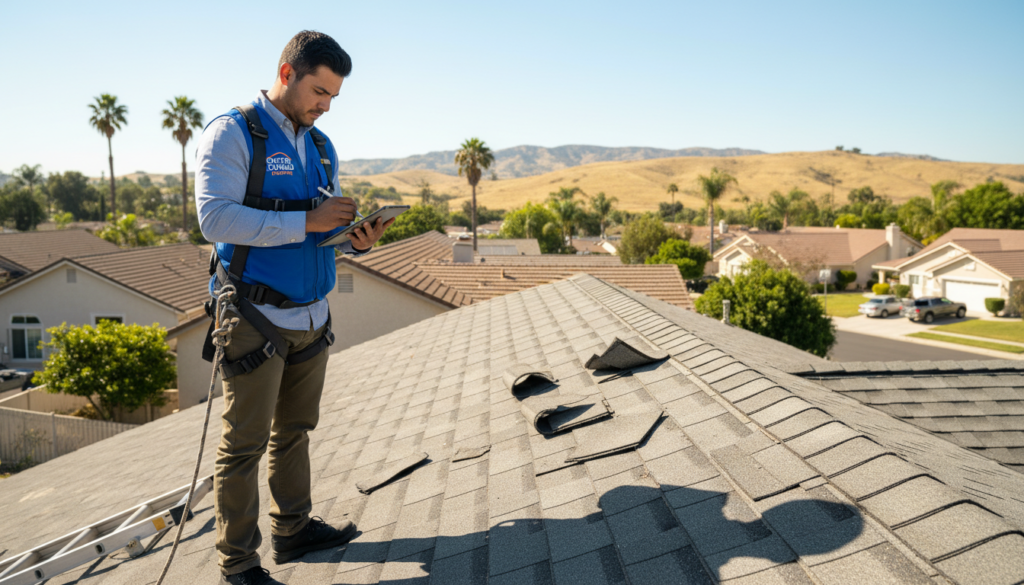
Choosing the most cost-effective response to wind damage depends on the severity of the impact and the age and condition of your roof. Localized repairs can restore protection quickly when only a few areas are affected, while a full replacement makes sense when multiple sections are compromised or the system is near the end of its service life. Our experienced contractor team evaluates both short- and long-term value so your home stays dry and secure.
As a trusted roofing contractor, we balance safety, durability, and budget considerations. We inspect structural integrity and material condition to recommend repairs that last — not temporary fixes that fail during the next set of storms.
Evaluating Damage Extent and Your Roof’s Age
The two primary factors in your decision are total visible and hidden damage and the roof‘s age. Newer systems often return to service with targeted repairs; older systems with brittle or heavily granulated shingles may warrant replacement to avoid repeated costs.
When Minor Repairs Are Sufficient
Minor repairs are appropriate when damage is isolated (a few missing or torn tabs) and the underlying deck and underlayment remain sound. If your roofing materials are in good condition and less than roughly ten years old, targeted repairs restore weather protection at a lower cost.
Signs You Need Complete Roof Replacement
Consider full replacement when wind has stripped shingles across multiple slopes, when underlayment is widely exposed, or when the system’s age and wear make future failure likely. When materials have significantly deteriorated, replacement prevents recurring repair expenses and interior storm damage.
Understanding Insurance Coverage and Filing Claims
Navigating homeowners insurance after wind events can be confusing. Many policies cover wind and falling debris, but a successful insurance claim depends on clear documentation and timely action. We guide homeowners through the claims process and provide the evidence adjusters need.
Working With Homeowners Insurance on Wind Damage
Standard homeowners insurance policies commonly cover wind-related damage, subject to your deductible and policy terms. Our team documents all visible and hidden issues so the company can accurately assess repair or replacement needs. We also help file the claim and coordinate with adjusters to reduce back-and-forth delays.
How Outer Shield Roofing Assists With Insurance Documentation
We prepare detailed photo packages, annotated reports, and line-item estimates to support your claim. Acting as your advocate, we present the full scope of wind-related problems to the insurer, improving the chances of a fair settlement for repairs or replacement.
Cost Factors: Materials, Labor, and Long-Term Value
Decisions should weigh immediate costs against long-term value. Investing in higher-quality materials and professional installation reduces future maintenance and replacement frequency. Our recommendations focus on durable solutions that deliver savings over time.
Choosing the Right Roofing Contractor for Storm Repairs
Select a local, licensed, and insurance-savvy contractor with clear references and transparent pricing. Verify licensing and contractor credentials through trusted industry resources such as the Roofing Contractors Association of California (RCAcal), and ask for examples of prior storm damage work and claims support.
- Verify license and insurance.
- Request references and recent project photos.
- Confirm they provide detailed documentation for insurance claims.
At Outer Shield Roofing we combine local experience with insurance expertise to guide your decision between repairs and full replacement. Ready to start? Start a claim or schedule an inspection — we’ll help you gather photos, prepare documentation, and choose the best path forward.
Preventing Future Wind Damage Through Proactive Roof Maintenance
Protecting your home starts long before the next storm. A proactive maintenance plan reduces the chance of costly wind damage roof repairs and extends the life of your system. Outer Shield Roofing helps homeowners build a resilient roof that stands up to seasonal wind and severe storms.
Investing in preventive care preserves safety and property value. A well-maintained roof is the first line of defense; addressing small issues now prevents larger problems after strong weather events.
Upgrading to Wind-Resistant Roofing Materials
Choosing appropriate roofing materials is the single most effective way to reduce future wind damage. Modern, wind-rated shingles use advanced adhesives and better fastening designs to resist uplift and tab displacement.
| Material RatingWind Speed CapacityProtection Level | ||
| Class F Shingles | Up to 130 mph | High Performance |
| Class H Shingles | Up to 150 mph | Maximum Security |
Regular Roof Maintenance and Inspection Schedules
Routine checks catch minor issues before they become a full-blown wind damage roof crisis. We recommend scheduling professional inspections twice a year and after major wind events. These regular reviews help you spot loose shingles, torn seals, and weak areas that need reinforcement.
Quick maintenance checklist: inspect edges and valleys, clear gutters of granules and debris, verify flashing and sealant condition, and check fasteners around vents and chimneys.
Reinforcing Vulnerable Areas: Flashing, Fasteners, and Seals
Edges, corners, and roof transitions see the highest uplift forces. Reinforce these areas with upgraded fasteners and premium sealants to reduce the risk of failure. Properly installed flashing around chimneys and vents is essential to preventing leaks.
Property Management: Tree Trimming and Debris Control
Your property matters. Overhanging branches can become dangerous projectiles during high winds — make sure trees are trimmed back a safe distance (consult a certified arborist for recommendations). Clearing debris from gutters and roof surfaces prevents trapped moisture and wood decay.
For a tailored preventive plan or to schedule maintenance, contact Outer Shield Roofing to arrange an inspection and get recommendations specific to your roof and local wind exposure.
Conclusion
Protecting your home starts with spotting subtle wind damage roof indicators early and addressing storm damage before it worsens. Homeowners should watch for missing shingles, damaged vents, exposed underlayment, or scattered debris after strong winds. Make sure you act quickly to avoid costly leaks and progressive roof damage.
As a professional roofing company, Outer Shield Roofing provides expert repairs and ongoing roofing maintenance. Our experienced roofing contractor team performs thorough inspections to catch storm damage early and document findings for insurance. We specialize in identifying hidden roof damage that others may miss and delivering durable solutions.
Contact our company today for a professional wind damage roof evaluation and complete storm damage restoration. Request an inspection — upload photos and one of our contractor specialists will review your case and help start the claims process.
| Service TypeKey Benefit for HomeownersFrequency | ||
| Roof Inspection | Early detection of hidden leaks and structural wear. | After major storms |
| Roof Repair | Stops minor wind damage from causing total failure. | As needed |
| Preventive Maintenance | Extends the lifespan of your roofing materials. | Annually |
| Emergency Mitigation | Provides immediate protection from water intrusion. | Post-storm |