
Your roof protects everything you value. When storms roll through Hemet and San Jacinto, they can leave behind damage that threatens your home's integrity. Understanding whether your roof needs simple repairs or a complete replacement can save you thousands of dollars and prevent costly water damage down the road.
Hemet homeowners face unique roofing challenges. The intense UV exposure and temperature swings in our region put extra stress on roofing materials. When storm damage strikes, you need clear answers about the best path forward.
This guide walks you through the critical differences between repairable storm damage and situations where roof replacement becomes the smarter investment for your home.
If a storm just hit your home in Hemet or San Jacinto, your next move matters more than you think. Quick answer: Repair is best for small, isolated damage on newer roofs; replacement is wiser for widespread damage, aging roofs, or hidden structural issues. If damage affects more than ~30% of your roof, replacement is usually the smarter move.
Need help now? Call for a free professional inspection—our roofing contractor will document damage, advise whether repair or storm damage roof replacement makes sense, and help you file a claim if needed.
Understanding Storm Damage in Hemet and San Jacinto
If a storm just hit your home in Hemet or San Jacinto, your next move matters more than you think. Our local weather isn’t hurricane-level, but it combines intense heat, occasional hail, and high winds in ways that accelerate roof wear and storm damage.
Summer daytime highs in Hemet commonly top the mid-90s, and roof surfaces can run much hotter than air temperature. That heat plus repeated sun exposure makes asphalt shingles brittle over time, so even small storm impacts can cause outsized problems.
Common Storm Types Affecting Local Roofs
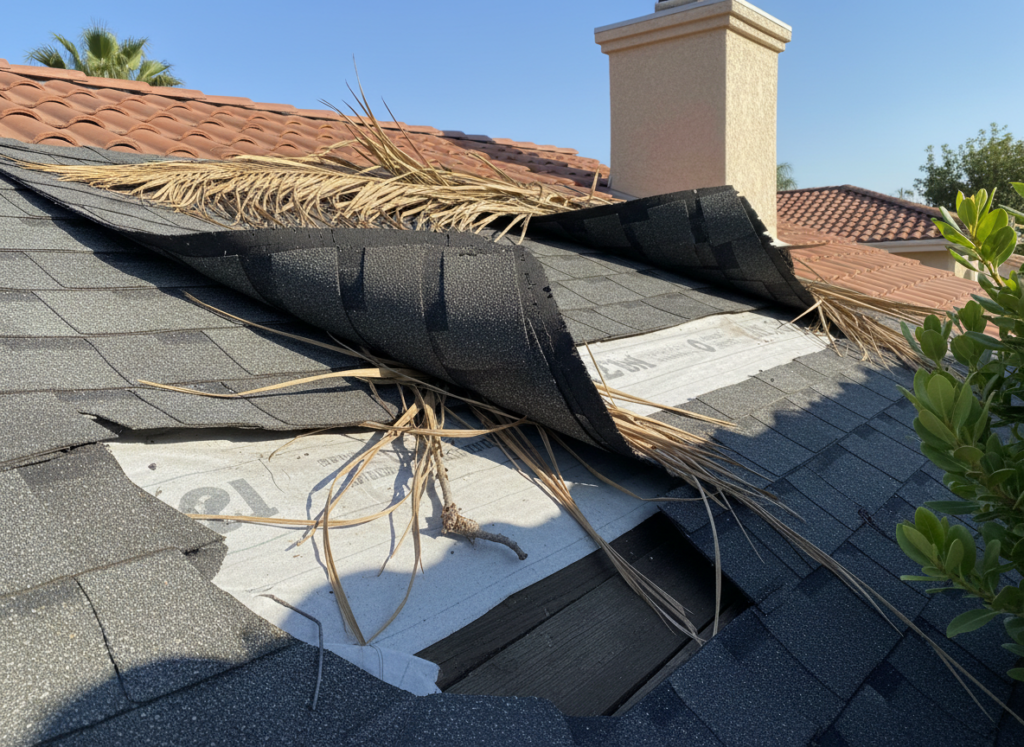
High winds are the most frequent threat here. Strong gusts can lift shingles at edges and ridges, and winds often carry debris that dents or tears roofing materials. Check your property after windy storms for torn or missing shingles and for debris in gutters.
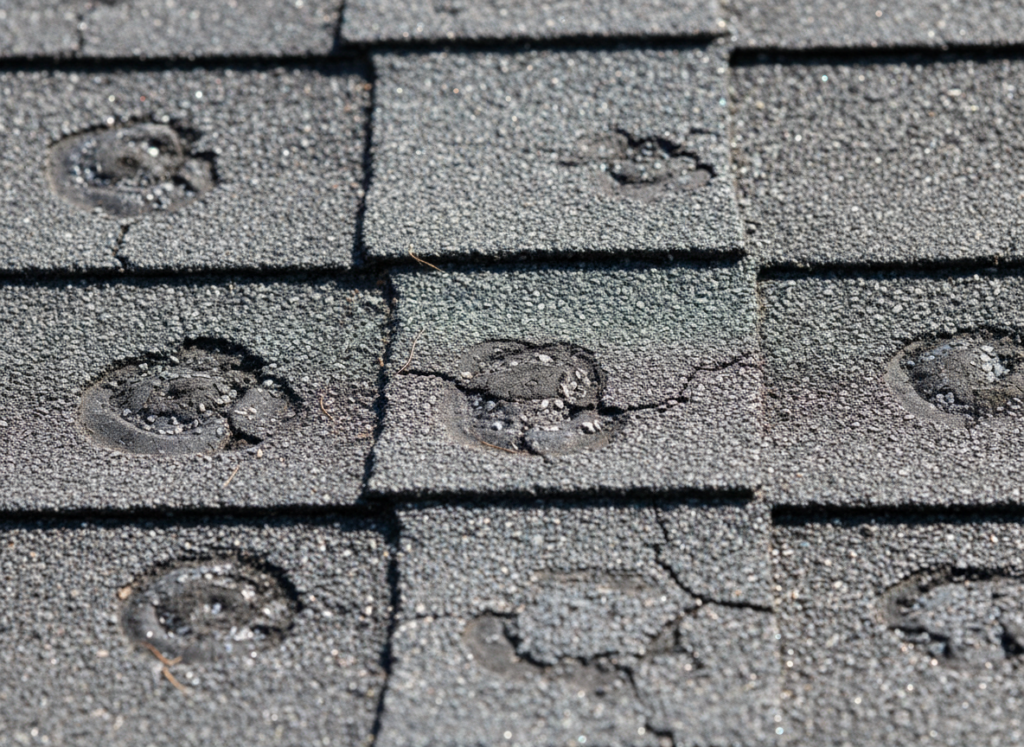
Hailstones occur during summer thunderstorms. Even pea-size hail can knock off granules or dent shingles already weakened by UV exposure—damage that shortens a roof’s lifespan and may not cause immediate leaks.
Heavy rain events—especially wind-driven rain—test a roof’s ability to shed water. Water forced under lifted shingles or damaged flashing quickly leads to leaks and interior water damage.
How Hemet's Climate Accelerates Damage
Intense UV at our elevation speeds granule loss on shingles, exposing the asphalt and making roofs more vulnerable to wind and hail. Temperature swings (hot days, cooler nights) cause materials to expand and contract, loosening fasteners and creating gaps where wind can grab shingles.
- Quick checklist after a storm: stay safe (don’t climb on the roof), photograph all visible damage, note the storm date/time, and call a trusted roofing contractor for a free inspection.
See the Quick Answer above for an immediate way to think about repair vs. roof replacement, and read on for cost and insurance details in the sections below.
Identifying Different Types of Storm Damage
Recognizing storm damage means knowing the telltale signs left by high winds, hail, and driving rain. Different storm types leave distinct signatures on your roof — spotting them early helps you decide whether to schedule repairs or consider storm damage roof replacement.
wind damage Signs
High winds often lift shingles at the edges or tear sections completely away. Inspect roof edges, ridges, and valleys for lifted, curled, or missing shingles — damage commonly follows the direction of the strongest gusts.
Look in gutters and on the ground for granules and shingle fragments. Piles of grit in gutters or shingle pieces in your yard are clear signs that wind has compromised your roof’s protective layer.
Small gaps around vents, flashing, or ridge caps can let wind catch and pull shingles—these are early warning signs that grow into larger problems if left unchecked.
Hail Damage Indicators
Hailstones leave circular impact marks that look like dark or smooth spots where protective granules were knocked off. On softer asphalt shingles these may appear as small pits or scuffs; on metal vents and gutters hail will leave dents.
Check AC units, fences, and outdoor furniture for matching dents — if hard surfaces show impact, your shingles likely took hits too. Even if you don’t see active leaks yet, hail damage shortens the life of shingles and can justify replacement in severe cases.
Water Damage and Leak Detection
Water problems often reveal themselves inside before you notice exterior damage. Fresh brown spots on ceilings, wet insulation in the attic, or drips during/after rain indicate active leaks needing immediate attention.
Peeling paint along rooflines or mold and mildew in the attic are signs of ongoing moisture intrusion. Outside, inspect flashing around chimneys, vents, and valleys — damaged or missing flashing is a common water entry point after storms.
Get Professional Storm Damage Assessment
Identifying storm damage accurately requires trained eyes. Outershield Roofing provides free comprehensive inspections for Hemet and San Jacinto homeowners. We'll assess your roof's condition and provide honest recommendations about repair versus replacement.
Emergency Signs — Act Now
- Active water leaks inside your home
- Roof sections that sag or visibly dip
- Large areas of missing shingles or exposed underlayment
- Ceiling stains that spread quickly after storms
Do not delay. If you see any of the above, call a trusted roofing contractor immediately and arrange emergency tarping to prevent further water damage. Avoid permanent repairs before your insurance adjuster inspects the roof — temporary tarps are acceptable.
When Roof Repairs Are Sufficient
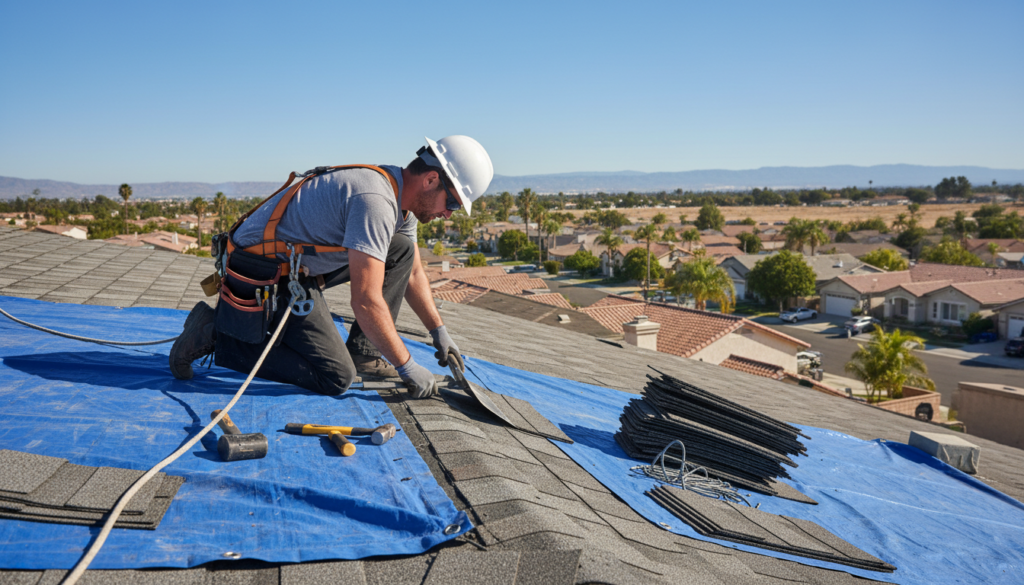
Not every storm means you need a full roof replacement. Targeted roof repairs often protect your home and your budget when damage is limited and the underlying structure is sound.
Isolated Damage Scenarios
Repairs typically make sense when storm-related damage affects less than about 30% of the roof surface and the roof is relatively new. A handful of missing or lifted shingles in one area can usually be replaced without touching the entire roof.
Single-event incidents — for example, a falling branch that tore a small section of shingles — are classic repair candidates. Newer roofs (under ~10 years) with limited damage often regain full protection after professional repairs and can keep their existing warranties intact.
Cost-Effective Repair Situations
As a practical rule, repairs are often the better financial choice when the repair cost is under roughly 30% of replacement. Typical ranges you can expect in our area: minor storm repairs $500–$3,000; moderate repairs $3,000–$7,000. For many homeowners, these repair options beat the higher upfront cost of full roof replacement.
Example math: if a full replacement is $15,000 and your deductible is $5,000, a $2,000 repair avoids using insurance and leaves you $3,000 better off than filing a full replacement claim—depending on your situation.
Common repair jobs include replacing loose or missing shingles, fixing damaged flashing, sealing small leak sources, and clearing debris that traps moisture. These fixes can extend a roof’s service life by several years when the underlying decking is sound.
Repair Limitations to Consider
Repairs have limits. Patchwork repairs on older roofs often look mismatched because sun-faded shingle colors are hard to match. If you’re concerned about curb appeal, multiple spot repairs can look uneven.
Repeated annual repairs are a warning sign. If you find yourself fixing leaks year after year, cumulative costs and ongoing risk usually make replacement the smarter long-term option.
Some damage types don’t respond well to repairs: widespread granule loss, multiple leaks across different roof planes, or structural damage to roof decking typically require a full roof replacement to restore reliable protection.
When to Call a Trusted Roofing Contractor
- Visible missing shingles or granule piles in gutters
- Any active leak or new ceiling stains
- After a storm if you’re unsure about the extent of damage
- If you need help documenting damage to file an insurance claim
Call for a free inspection and itemized estimate — getting a professional evaluation early helps you compare repair vs replacement and gives you the documentation insurers need.
When Roof Replacement Becomes Necessary
Certain damage patterns and roof conditions make replacement the smarter choice. Recognizing these situations helps you avoid repeated repairs that won’t solve underlying problems and can lead to costly water damage.
Widespread Storm Damage
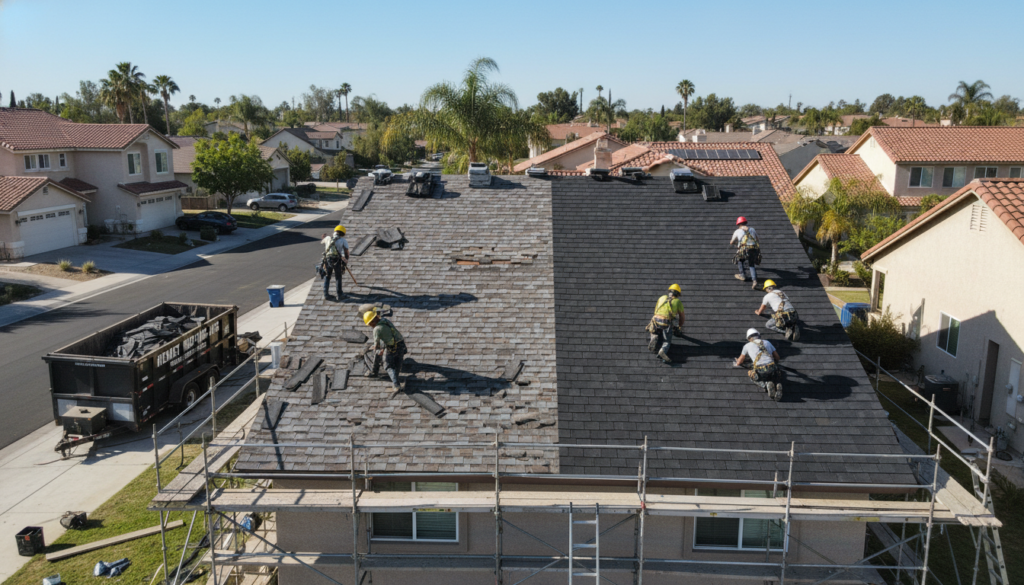
When storm damage covers more than about 30% of your roof, replacement is often the more cost-effective and durable option. Multiple damage types—hail, high winds, and water intrusion—across different roof planes usually indicate system-level failure rather than a fixable patch.
Damage to critical components such as roof decking, ridge vents, or valley flashing often requires replacing the entire roofing system so these elements are properly integrated with new materials.
Storm Damage Roof Replacement Cost in Hemet & San Jacinto
What most homeowners want to know first is cost. Typical local ranges:
- Minor storm repair: $500 – $3,000
- Moderate repair: $3,000 – $7,000
- Full roof replacement: $8,000 – $20,000+ (varies by materials and scope)
Per-square-foot guides (approximate): Repairs $4–$8/sq ft; Replacement $8–$15+/sq ft. Costs depend on roof size and pitch, material type (asphalt shingle, tile, flat), and whether underlying decking or structural repair is required.
Quick reminder: If damage affects more than ~30% of your roof, replacement is usually the smarter move—both for long-term protection and insurance considerations.
Age-Related Vulnerability
Asphalt shingle roofs commonly have a service life of roughly 20–25 years, though Hemet’s intense sun and heat can accelerate aging. Roofs older than ~15 years that sustain storm damage frequently make more sense to replace than repeatedly repair.
Previous patch repairs on aging roofs create weak points; when storms hit, those patched areas and surrounding shingles often fail together, pushing the case toward replacement.
Insurance Coverage Considerations
Insurance companies look at damage extent when deciding coverage. Widespread, storm-caused damage often qualifies for full roof replacement coverage under policies that provide Replacement Cost Value (RCV), though policies and payouts vary.
Your deductible typically applies once whether you repair or replace, so when damage is extensive replacement can offer better value for the same deductible amount you’d pay for major repairs.
Tip: coordinate closely with your roofing contractor during the adjuster visit and provide an itemized estimate—see the insurance claims section for step-by-step guidance on how to get your roof replacement approved by insurance.
Hidden Damage Checklist
- Underlayment condition (water penetration beneath shingles)
- Roof decking integrity (rot, delamination)
- Damaged ventilation components (ridge vents, soffit vents)
- Failed flashing at chimneys, valleys, and skylights
Storm damage you can see often conceals worse issues beneath the surface. Wind-lifted shingles may have compromised underlayment or decking, and once water gets in structural damage can escalate quickly—another reason replacement is sometimes the right call.
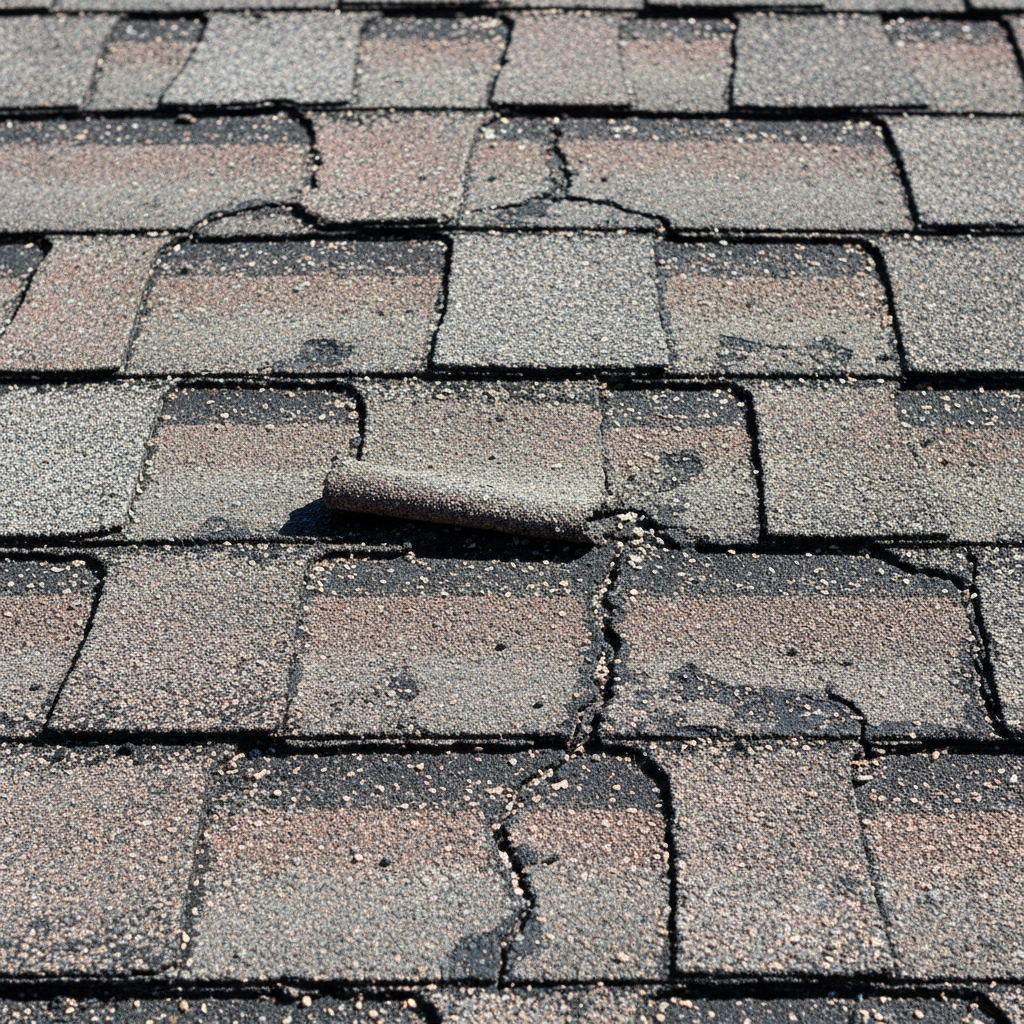
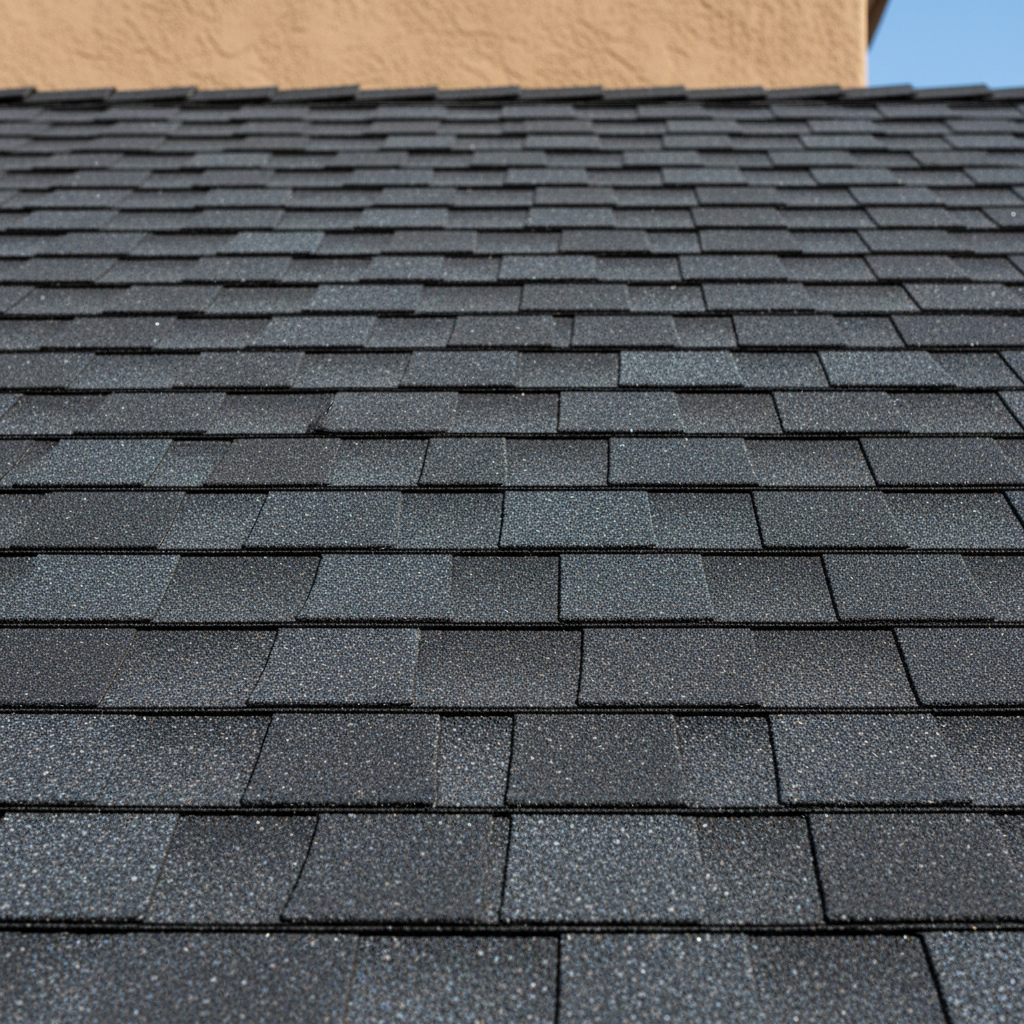
The Inspection and Decision-Making Process
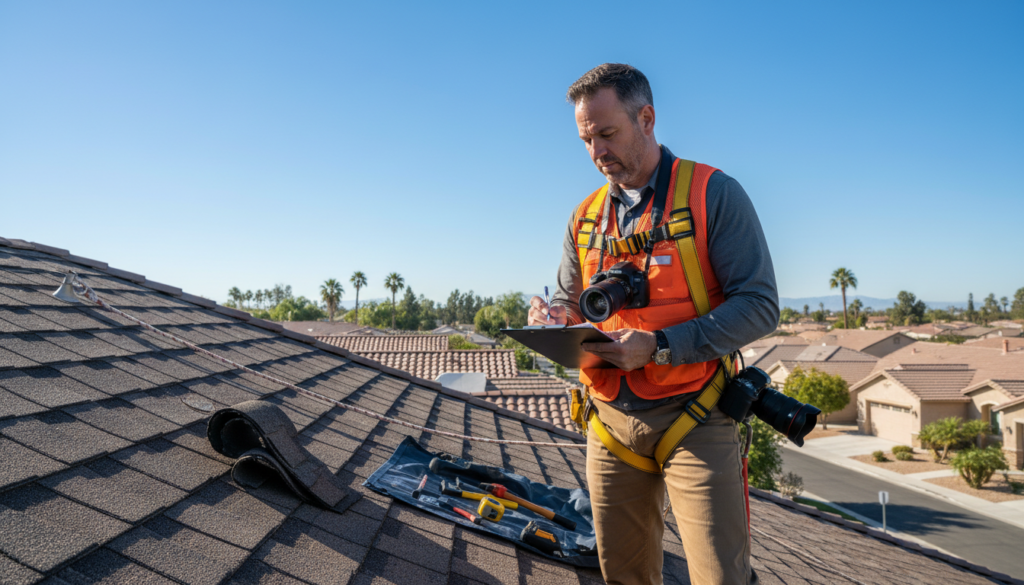
A professional inspection gives you the facts you need to choose repair or replacement. Inspectors evaluate the entire roofing system—visible damage is only part of the picture.
What Professional Inspectors Examine
Inspectors assess shingles, underlayment, flashing, vents, gutters, ventilation, and roof structure for storm impact and general condition. They look for patterns that point to wind, hail, or water damage and check for secondary issues like rot or mold.
Hidden damage (wet decking, torn underlayment, compromised ventilation) is common; ask the inspector to document and photograph any subsurface findings so you and your insurer see the full scope.
Questions to Ask Your Contractor
When the inspector is on site, be prepared with clear questions:
- How much of the roof surface is damaged (percentage and locations)?
- Is the decking or underlayment compromised?
- How many more years of life do you estimate for this roof if we repair?
- What are the pros/cons and costs for repair vs. full replacement?
- Can you attend the insurance adjuster’s inspection and provide a line-item estimate?
- Are you licensed, insured, and do you provide workmanship and material warranties?
Questions to Request in Writing
Get key items in writing on every estimate to avoid surprises:
- Scope of work (detailed line items)
- Material types and brands
- Removal of existing shingles and disposal plan
- Decking replacement (if needed), ventilation upgrades, flashing replacement
- Project timeline and cleanup plan
- Warranty details (material and workmanship)
Getting Accurate Estimates
Obtain at least three written estimates that use the same scope of work for apples-to-apples comparison. Prefer itemized, line-by-line estimates that you can give to your insurer and the adjuster.
Look beyond the lowest bid—compare materials, installation methods, warranties, and local references. A quality roofing contractor will explain differences and provide a clear recommendation: repair now, or replace to avoid future roof damage and repeated repairs.
Tip: Most denied or underpaid claims result from poor documentation. Have your trusted roofing contractor attend the adjuster visit with photos and an itemized estimate to improve approval odds.
Ask your inspector to show documented photos of hidden damage and provide a written repair vs. replacement recommendation you can use for decision-making and for filing any insurance claim.
Local Considerations for Hemet and San Jacinto Homeowners
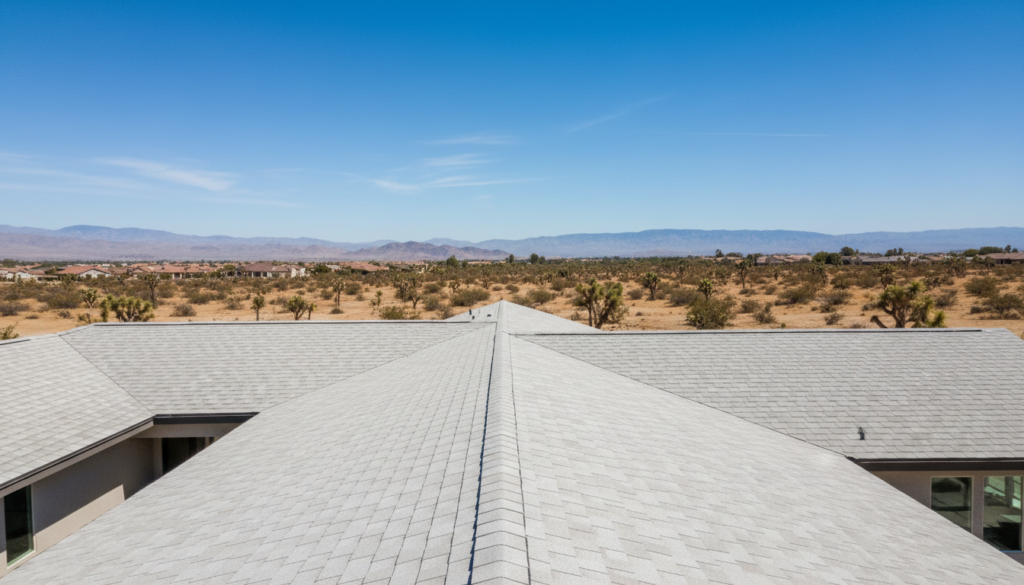
Choosing the right roofing solution for our area means accounting for heat, sun exposure, and the occasional high-wind or hail event. Local climate and weather patterns directly affect roof performance, longevity, and which materials resist storm damage best.
Climate-Appropriate Roofing Choices
Hemet’s high temperatures and intense sun accelerate shingle aging, so select materials designed for heat and UV resistance. Light-colored or reflective (cool) shingles reduce heat absorption and can lower attic temperatures and cooling costs.
Best options for storm resistance in our climate:
- Impact-resistant laminated shingles: Good balance of cost, storm performance, and wind resistance; commonly used for residential replacements.
- Tile roofing: Long lifespan and strong against heat; performs well with proper installation but can be pricier and heavier (may require structural review).
- Cool roof systems: Reflective coatings or light-colored shingles that reduce surface temperatures—helpful in Hemet’s heat and can improve durability.
Each type has trade-offs: tiles last longer but cost more; impact-resistant shingles offer strong protection at mid-range cost; cool roofs improve energy efficiency. Discuss expected lifespans and warranty options with your contractor when choosing materials.
Can You Stay in Your Home During Replacement?
Yes—most homeowners remain in their homes during roof replacement. Expect daytime noise and a short project timeline: many residential replacements finish in 1–3 days depending on size and complexity. Plan ahead for pets, fragile plants, and temporarily relocated vehicles.
Energy Efficiency and Ventilation
Proper attic ventilation and insulation are critical in Hemet. Ventilation reduces attic temperatures that can reach very high levels, protecting shingles and underlayment. Upgrading ventilation when you replace a roof improves shingle performance and home comfort.
Working with Local Contractors
Local roofing contractors know which materials and installation methods hold up best to our heat and seasonal winds. Choose a trusted roofing contractor with local references, proper licensing, and clear warranty terms.
Local teams also respond faster after storms—important when you need emergency services like tarping, debris removal, or temporary leak protection. Schedule a week-of approval for emergency repairs when storms hit to secure faster service.
Making the Final Decision
Choosing between repair and replacement means weighing short-term cost against long-term value and risk. Consider roof age, extent of storm damage, insurance coverage, and how long you plan to stay in your home before deciding.
Financial Analysis
Look at total cost over time, not just the immediate bill. A $4,000 repair today might be followed by repeated fixes; a single replacement can eliminate recurring expenses. Factor in insurance: if your policy covers a large portion of replacement (RCV), your out-of-pocket on a replacement could be similar to or even less than repeated repairs.
Financing options and payment plans from reputable roofing contractors can make replacement more affordable if it’s the smarter long-term move.
How Long Can You Wait After Storm Damage?
- 0–48 hours: Emergency protection only — tarp exposed areas and call a contractor for a quick assessment to stop active leaks.
- 1–2 weeks: Schedule a professional inspection and file an insurance claim if needed. Have your contractor document damage for the adjuster.
- Beyond 2 weeks: Risks increase — mold, structural rot, and worsening water damage can escalate repair costs and complicate claims.
What happens if you delay? Hidden water damage can lead to mold growth, rotted decking, ruined insulation, and ceiling damage — small issues can quickly become $20K+ problems if not addressed.
Long-Term Home Value
A new, professionally installed roof adds value and buyer confidence. Many real estate pros estimate a high recovery of replacement costs in resale value, and buyers prefer homes with fewer inspection red flags like patched roofs.
Peace of Mind Considerations
Replacement delivers longer-term protection and warranty coverage; repairs can be effective but may leave uncertainty about future leaks and insurance claims. Choose the option that aligns with your tolerance for risk and future plans for the property.
Signs Pointing to Replacement
- Roof age exceeds fifteen years
- Storm damage covers over thirty percent of the surface
- Multiple leaks in different areas or spreading ceiling spots
- Extensive granule loss across shingles
- Previous repairs are frequent or the roof shows widespread wear
- Visible sagging or structural concerns
- Rising energy bills due to poor insulation or ventilation
Signs Repairs May Suffice
- Roof age under ten years
- Isolated damage in one specific area
- Single storm event caused the problem
- No previous repair history and strong decking
- Repair cost is comfortably under ~30% of replacement
Real Homeowner Scenarios
Scenario 1 — Repair was enough: A Hemet homeowner had wind damage limited to one roof plane with a cluster of missing shingles. Repair cost: $2,200. The fix extended the roof’s life by several years and avoided a claim that would have used the deductible.
Scenario 2 — Replacement was necessary: Another homeowner had hidden water damage under multiple areas of shingles discovered during inspection. A repair would have been temporary; full roof replacement prevented future structural issues and solved ongoing leaks.
Next step: If your roof shows any of the “replacement” signs above or you’re unsure, schedule a professional storm damage inspection today to get a clear, documented recommendation and an itemized estimate you can use to file insurance claims.
Protecting Your Hemet Home After Storms
Whether you choose repair or replacement, protecting your investment requires ongoing attention and quick action after storms. Regular maintenance and a clear emergency plan reduce the risk of water damage and costly repairs later.
Steps to Take Right After a Storm
- Inspect safely from the ground—do not climb on a wet or damaged roof.
- Document everything: take dated photos and video of roof surfaces, gutters, yard debris, and any interior ceiling spots.
- Note the storm date/time and local weather reports for your claim record.
- Call a trusted roofing contractor for a free inspection and itemized estimate.
- Schedule the inspection and, if needed, file a claim with your insurance company.
- Arrange temporary protection (tarps) to stop active leaks while you wait for professional repairs or the adjuster’s visit.
Regular Inspection Schedule
Inspect your roof at least twice a year (spring and fall) and after significant storms. Look for loose or damaged shingles, granule buildup in gutters, torn flashing, and any signs of water intrusion. Document changes with dated photos to track deterioration and support claims.
Preventive Maintenance Steps
Keep gutters clear of debris so water can flow freely—clogged gutters cause water backup that damages roof edges and leads to leaks. Trim overhanging tree branches to prevent abrasion from branches and to reduce the chance of fallen limbs during high winds. Remove leaves, branches, and other debris promptly after storms; trapped debris holds moisture against shingles and accelerates wear.
Emergency Preparedness and Who to Call
Know who to call before you need help. Keep contact information for local emergency roofing services and a trusted roofing contractor handy. When choosing a contractor, verify their California license, check online reviews and local references, and confirm they carry liability and workers’ compensation insurance.
Emergency tarping is a valid temporary measure to prevent further water damage—insurers generally accept tarps applied to limit loss, but avoid permanent repairs before an adjuster inspects the roof.
How Long Can You Wait?
- 0–48 hours: Emergency protection only—tarp exposed areas and stop active leaks.
- 1–2 weeks: Schedule inspection and file insurance claims; have your contractor document the damage for the adjuster.
- Beyond 2 weeks: Damage can worsen—mold, rot, and insulation damage increase repair costs and may complicate claims.
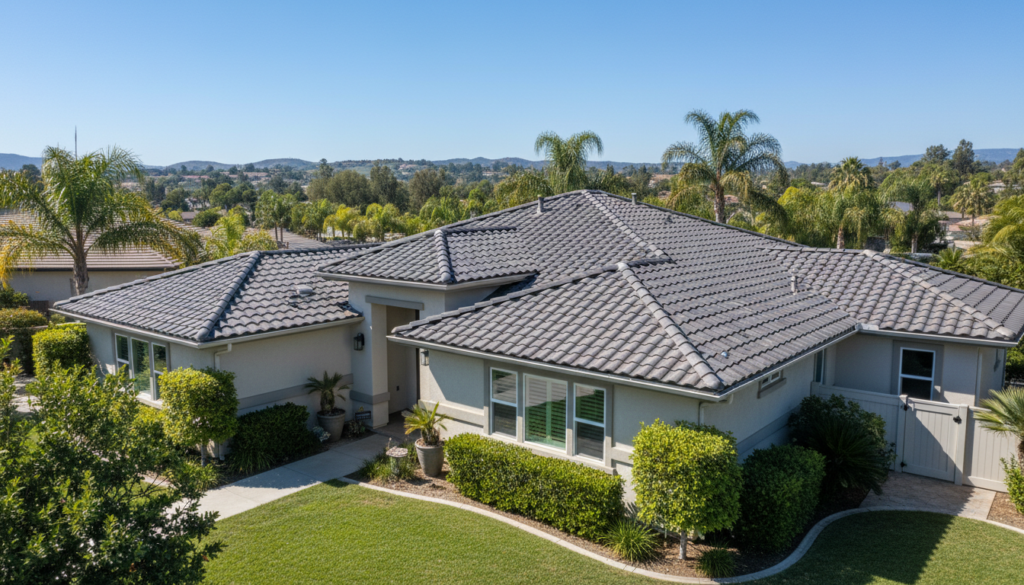
If you’re unsure what to do next after a storm, call a local roofing contractor for guidance and a free inspection—quick documentation and temporary protection preserve insurance options and limit water damage.
Partner with Hemet's Roofing Experts
Storm damage to your roof demands prompt professional attention. Delaying assessment and necessary repairs or replacement puts your home at risk for water damage, structural problems, and escalating repair costs.
Outershield Roofing has years of experience helping Hemet and San Jacinto homeowners recover after storms. Our local roofing contractors understand Hemet’s high heat, occasional hail, and seasonal high winds, and we provide honest assessments, quality workmanship, and straightforward guidance so you can make the right decision for your home.
We offer comprehensive storm damage inspection services at no cost. Our detailed assessments identify visible and hidden roof damage, explain repair versus roof replacement options, and include itemized estimates you can use with your insurance claim.
Our insurance-claim support removes much of the stress: we document storm damage thoroughly, meet adjusters on-site when needed, and help file claim paperwork so you receive the coverage you deserve.
Schedule Your Free Storm Damage Inspection Today
Don’t wait—get a professional storm damage inspection to determine whether repair or replacement is the smartest choice. We serve Hemet and San Jacinto with trusted local roofing contractors and fast emergency services when storms strike.
Final verdict: Repair when damage is minor and your roof is relatively new; choose roof replacement when damage is widespread, roofing materials are aging, or hidden structural problems exist. Get a professional storm damage inspection to confirm which option protects your home best.
Note: Insurance policies vary—check your policy for RCV vs ACV and your deductible. Outershield Roofing provides documentation and claim assistance but cannot guarantee insurer decisions.
Visit us or call to discuss your roofing needs. Proudly serving Hemet, San Jacinto, and surrounding communities.