
Your air conditioning works overtime during Hemet's scorching summer months. Bills skyrocket while your home struggles to stay comfortable. The hidden culprit might be right above your head. Poor attic ventilation traps heat and forces your cooling system to battle temperatures that shouldn't exist inside your home.
Homeowners across Hemet and San Jacinto face this challenge every summer. When temperatures climb past 105°F, your roof absorbs intense heat. Without proper ventilation, that heat radiates into your living spaces. Your HVAC system works harder than necessary. You pay more than you should.
Understanding Hemet's Extreme Climate and Your Roof
Hemet experiences some of the most intense summer conditions in Southern California. Your roof bears the brunt of this environmental assault. Understanding these challenges helps you protect your home and reduce energy costs.
Temperature Extremes That Impact Energy Bills
Summer temperatures in Hemet regularly exceed 95°F from June through September. Peak days can reach 105-110°F. These aren't just uncomfortable numbers. They represent serious challenges for your home's Outershieldroofingcorp.com/energy-efficient-roof/” target=”_blank” rel=”noopener noreferrer”>energy efficiency.
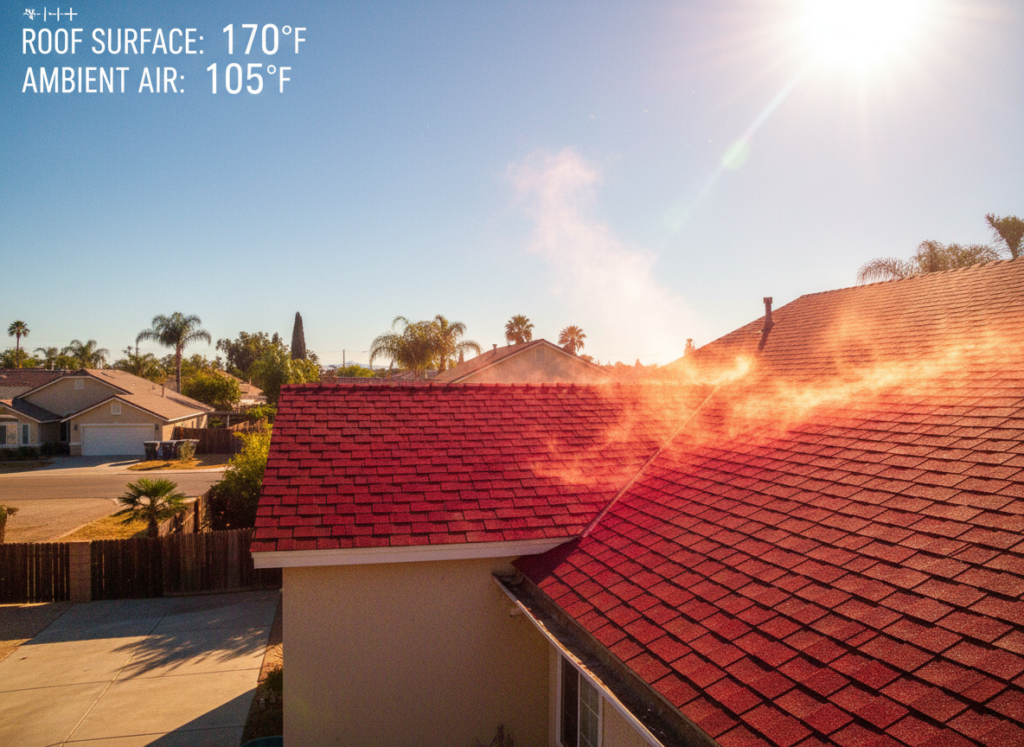
Your roof surface temperature climbs far higher than ambient air temperature. Dark asphalt shingles can reach 160-180°F on a 100°F day. That heat radiates directly into your attic space. Without proper attic ventilation, temperatures inside can exceed 150°F.
UV Radiation and Roof Material Degradation
Hemet receives intense UV exposure throughout the year. This radiation doesn't just create heat. It actively breaks down roofing materials. Shingles become brittle and crack. Colors fade. Protective granules deteriorate faster.
The combination of heat and UV creates a harsh environment for roofs. Materials expand during the day and contract at night. This constant thermal cycling stresses every component. Proper ventilation helps moderate these temperature swings. Your roof materials last longer when they don't experience such extreme conditions.
The Moisture Factor in Desert Climates
Many homeowners assume desert climates don't have moisture problems. This assumption costs them money. Your home generates moisture daily through cooking, bathing, and even breathing. This warm air rises into your attic space.
When warm, moist air meets cooler surfaces during winter nights, condensation forms. Even in Hemet's dry climate, this moisture can accumulate. poor ventilation traps this moisture. Over time, it damages insulation and wood structures. Proper attic ventilation removes this moisture before problems develop.
How Proper Roof Ventilation Systems Function
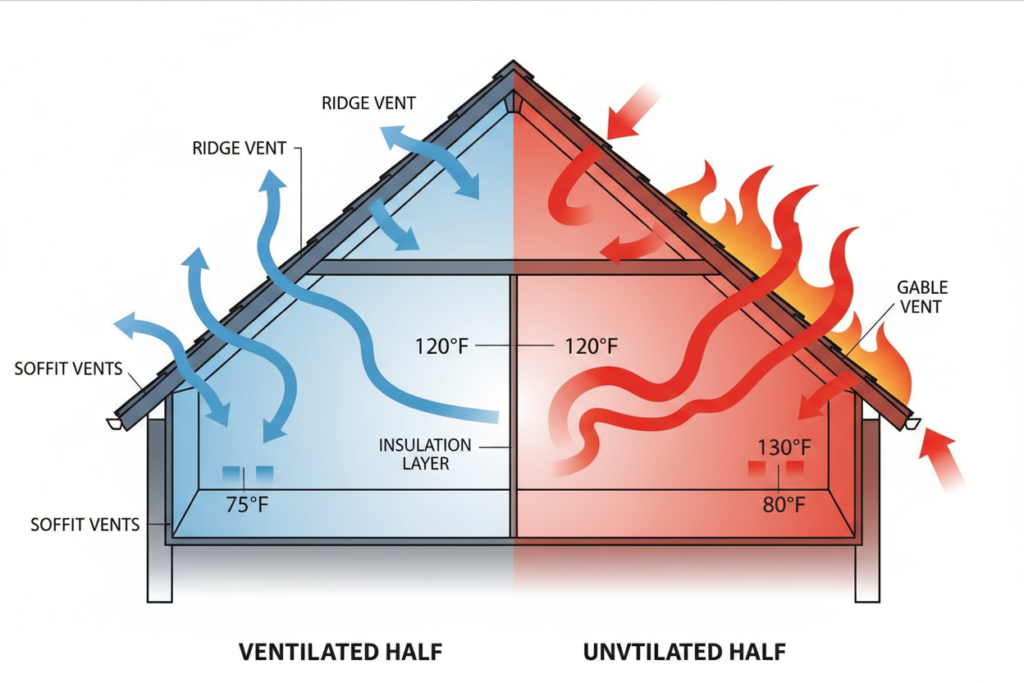
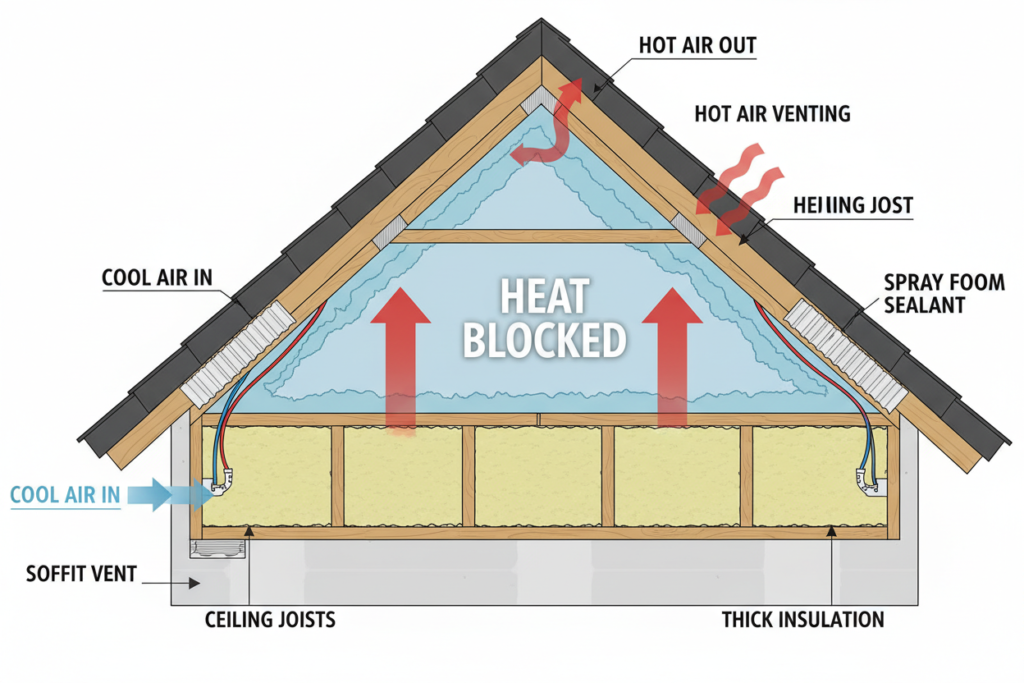
A properly ventilated attic creates continuous airflow. Cool air enters at the lowest points. Hot air exits at the highest points. This natural circulation protects your home and reduces energy consumption.
Intake and Exhaust Balance
Effective ventilation requires balanced intake and exhaust. Soffit vents provide intake along your roof's lower edges. These vents allow fresh air to enter the attic space. Ridge vents, gable vents, or roof-mounted exhaust vents release hot air from the top.
The ratio matters significantly. You need approximately one square foot of ventilation for every 150 square feet of attic space. This ventilation should split evenly between intake and exhaust. When balanced properly, your ventilation system works efficiently without mechanical assistance.
Natural Convection Principles
Hot air rises naturally. This basic physics principle powers your ventilation system. As the sun heats your roof, air in the attic warms and expands. This warm air becomes lighter and rises toward exhaust vents. As it exits, cooler air flows in through intake vents to replace it.
This continuous cycle removes heat throughout the day. Your attic stays cooler. Less heat transfers through insulation into your living spaces. Your air conditioning doesn't work as hard to maintain comfortable temperatures. Energy bills decrease as a direct result.
Common Ventilation System Components
Several ventilation components work together for optimal performance. Ridge vents run along your roof's peak, providing excellent exhaust. Soffit vents line the underside of your roof's overhang, delivering consistent intake. Gable vents can supplement airflow in specific situations.
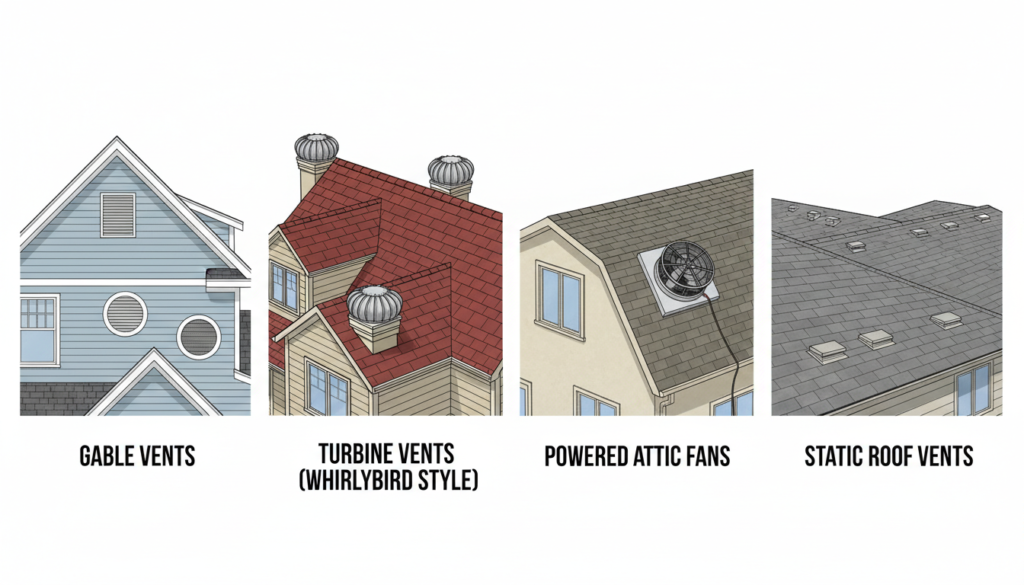
Some homes benefit from additional components. Turbine vents use wind to enhance exhaust. Power attic ventilators employ fans for forced airflow. However, passive systems using ridge vents and proper soffit vents typically provide the best balance of efficiency and reliability for most Hemet homes.
Calculating Your Roof Ventilation Energy Savings
Understanding the financial impact of proper ventilation helps you make informed decisions. The numbers tell a compelling story for Hemet homeowners. Your savings potential depends on several factors.
Direct Cooling Cost Reductions
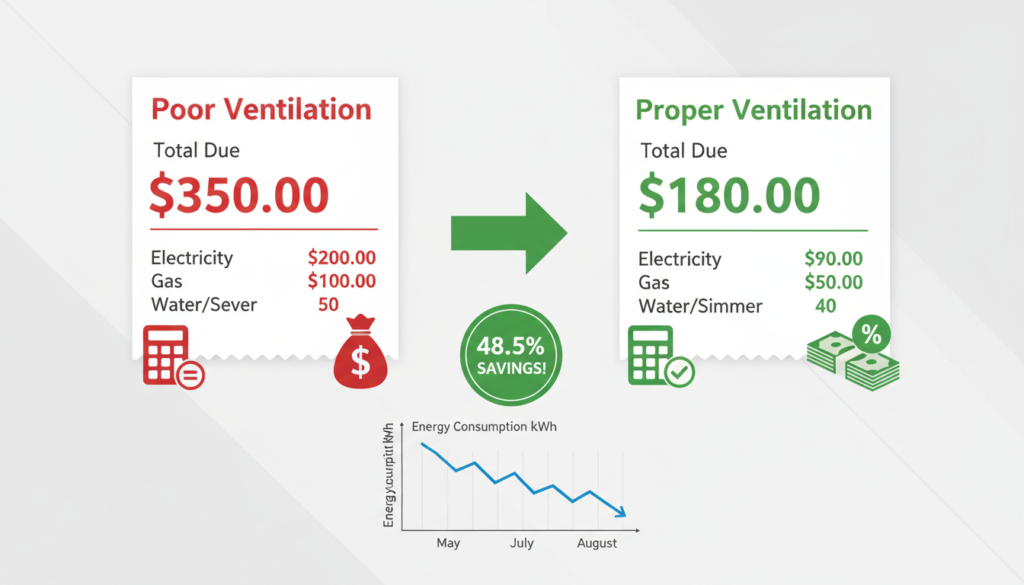
Proper attic ventilation can reduce cooling costs by 15-30% during summer months. For a typical Hemet home spending $250 monthly on air conditioning during peak season, that represents $37 to $75 in monthly savings. Over a five-month cooling season, you save $185 to $375 annually.
These savings compound over time. A well-ventilated attic maintains these benefits year after year. Over a ten-year period, proper ventilation can save you $1,850 to $3,750 in energy costs alone. The investment in quality ventilation typically pays for itself within three to five years.
HVAC System Longevity Benefits
Your cooling system experiences less stress when your attic stays cooler. Air conditioning units running constantly wear out faster. Components fail sooner. You face expensive repairs or premature replacement.
A properly ventilated home allows your HVAC system to cycle normally. It reaches target temperatures and rests between cycles. This balanced operation extends equipment lifespan by three to five years on average. Replacing an air conditioning system costs $5,000 to $8,000. Delaying that expense delivers substantial financial value.
Insulation Performance Enhancement
Attic insulation works best at moderate temperatures. When attic temperatures exceed 130°F, insulation loses effectiveness. Heat radiates through despite proper R-values. Your cooling system compensates by running longer cycles.
Proper ventilation keeps attic temperatures closer to outdoor ambient levels. Your insulation performs as designed. Heat transfer into living spaces decreases significantly. This improved performance translates directly to reduced energy consumption and lower utility bills throughout summer months.
Discover Your Energy Savings Potential
Outershield Roofing provides free roof ventilation assessments for Hemet and San Jacinto homeowners. Our local experts understand how extreme desert heat impacts your home. We'll evaluate your current ventilation system and calculate your potential energy savings. Find out how much you could save on cooling costs this summer.
Types of Roof Ventilation Solutions for Your Home
Different ventilation systems suit different homes. Understanding your options helps you choose the most effective solution. Your home's design, roof style, and specific needs determine the ideal approach.
Ridge Vent Systems
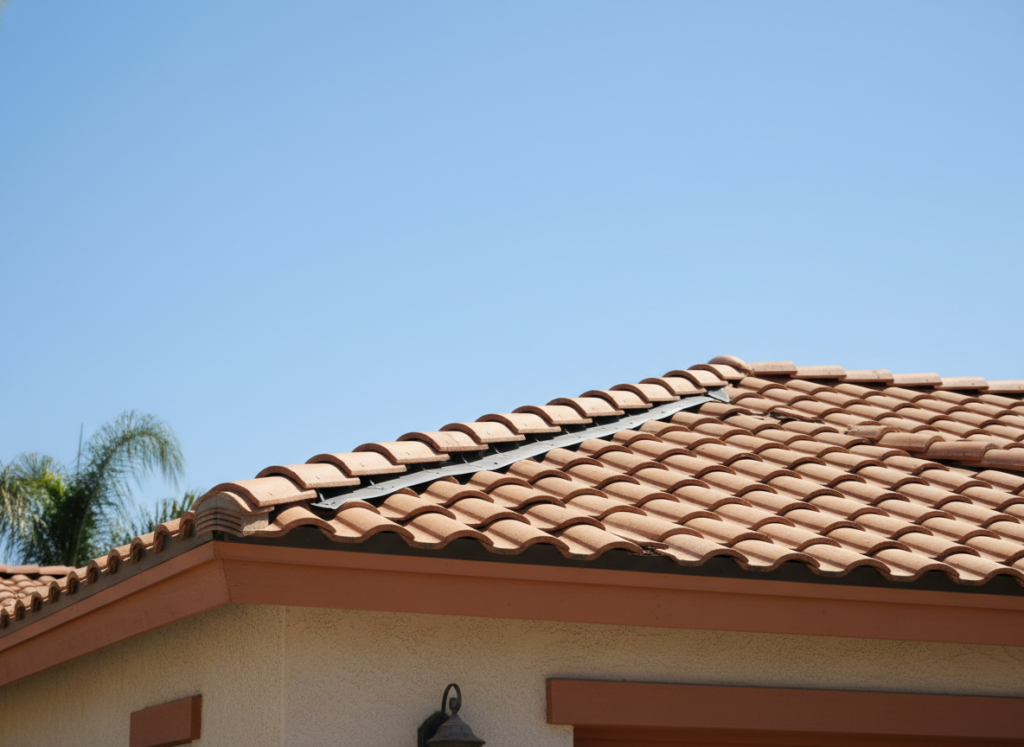
Ridge vents provide continuous exhaust along your roof's entire peak. They offer excellent performance and minimal visual impact. Combined with adequate soffit vents, ridge vent systems create optimal airflow patterns throughout your attic space.
These systems work particularly well for Hemet homes because they handle high heat loads efficiently. They require no electricity and function silently. Installation integrates seamlessly with most roof types. Ridge vents represent the gold standard for passive attic ventilation.
Soffit Vent Integration
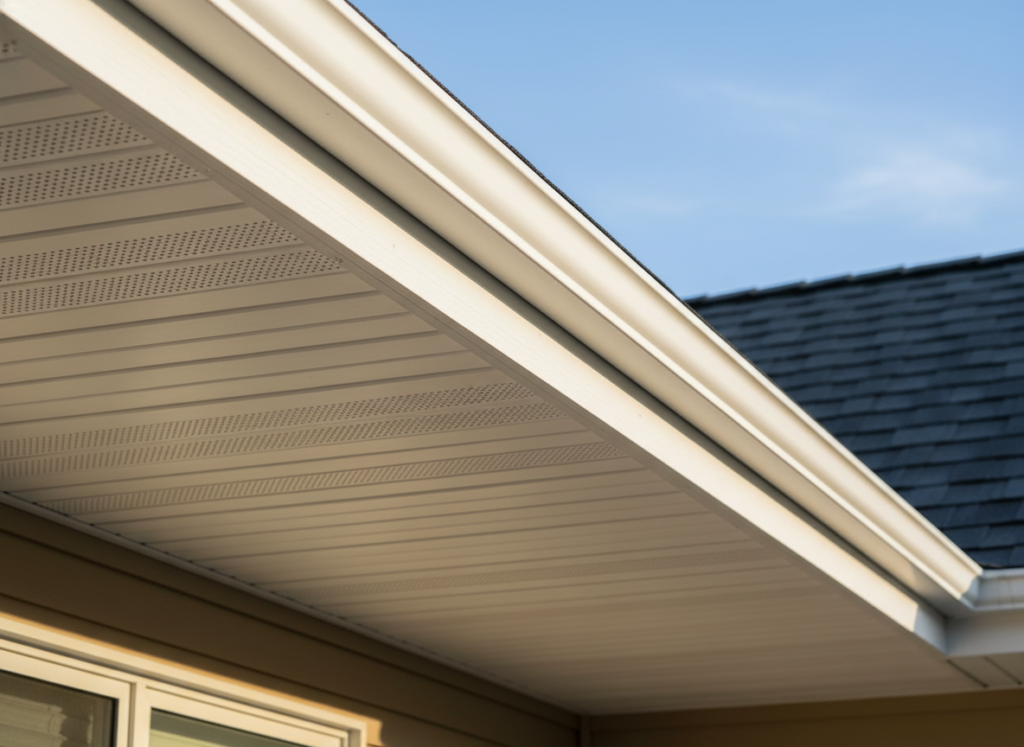
Soffit vents supply the critical intake component of your ventilation system. Located under roof overhangs, these vents allow cool air to enter your attic continuously. They work in conjunction with exhaust vents to create necessary airflow.
Proper soffit vent installation ensures balanced air circulation. Many homes have inadequate or blocked soffit vents. This limitation restricts airflow regardless of exhaust vent quality. Professional assessment identifies and corrects these intake deficiencies for maximum energy efficiency.
Gable Vents and Their Applications
Gable vents mount on exterior walls at attic level. They provide both intake and exhaust depending on wind direction. These vents work well for homes with specific architectural features. However, they typically don't provide the consistent performance of ridge and soffit combinations.
Gable vents can supplement other ventilation types. They offer additional exhaust capacity in large attic spaces. Some older Hemet homes rely solely on gable vents. Upgrading these homes with ridge and soffit vents dramatically improves ventilation performance and home energy efficiency.
Powered Ventilation Options
Powered attic fans use electricity to force hot air out. They can move large volumes of air quickly. These systems appeal to homeowners seeking aggressive heat reduction. However, they come with considerations beyond passive ventilation.
Power consumption adds to operating costs. Fans require maintenance and eventual replacement. They can create negative pressure that pulls conditioned air from your living spaces if intake proves inadequate. For most Hemet homes, properly designed passive systems deliver better long-term value and reliable energy savings.
Warning Signs Your Home Needs Better Attic Ventilation
Your home communicates ventilation problems through various symptoms. Recognizing these signs early prevents damage and reduces energy waste. Many homeowners live with poor ventilation for years without realizing the impact.
High Energy Bills and Constant AC Operation
Your air conditioning runs continuously during Hemet summers. Utility bills climb higher each year. Your cooling system struggles to maintain comfortable temperatures even when running constantly. These symptoms often indicate inadequate attic ventilation.
Compare your energy bills to similar-sized homes. If you're spending significantly more on cooling, ventilation likely contributes to the problem. Your HVAC system battles excessive heat radiating from your attic. Improving ventilation reduces this heat load and allows your system to operate efficiently.
Uneven Indoor Temperatures
Second floors or rooms directly under the attic feel noticeably warmer. You adjust thermostats lower but comfort remains elusive. Heat buildup in poorly ventilated attics radiates downward despite insulation. This creates uncomfortable living conditions and forces your cooling system to work overtime.
Proper attic ventilation eliminates this heat source. Temperatures balance throughout your home. Your cooling system maintains comfort without excessive runtime. Family members no longer avoid certain rooms during afternoon heat. The comfortable living environment you deserve becomes achievable.
Visible Roof and Attic Damage
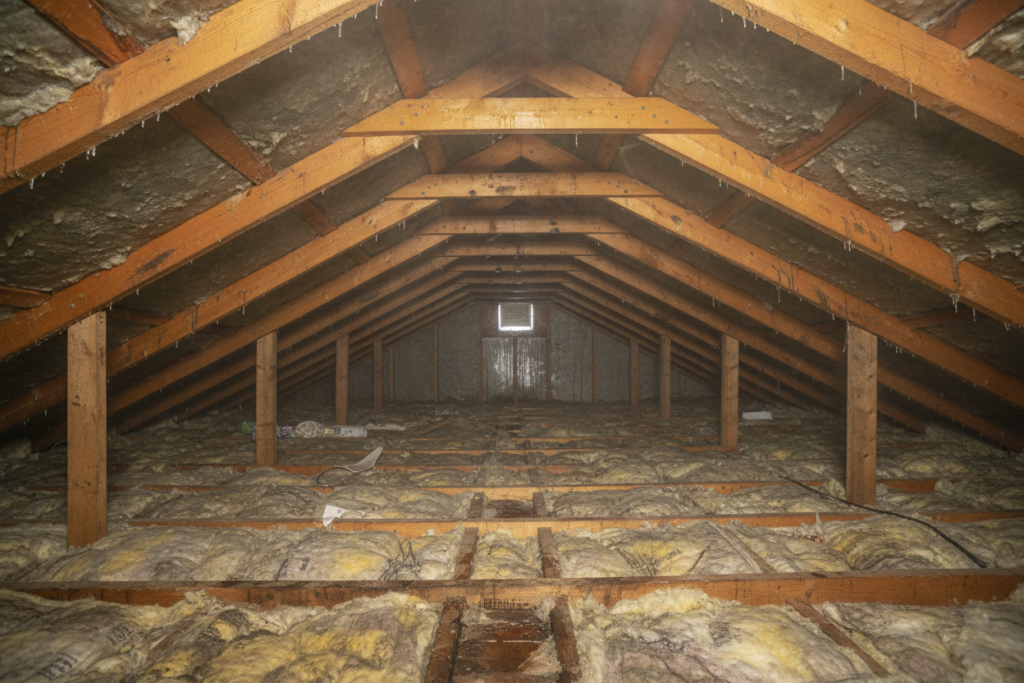
Dark stains appear on attic wood surfaces. Insulation looks compressed or discolored. Roof shingles curl or crack prematurely. These physical signs indicate excessive heat and potential moisture problems. Both issues stem from inadequate ventilation.
Ice dams form in winter despite Hemet's mild climate. This happens when trapped attic heat melts snow on roof surfaces. Mold growth develops on attic surfaces. These problems compound over time. Addressing ventilation now prevents expensive structural repairs later.
Benefits of Proper Attic Ventilation
- Reduced cooling costs by 15-30% during summer
- Extended HVAC system lifespan saving thousands
- Improved indoor comfort throughout your home
- Prevention of mold growth and moisture damage
- Longer roof lifespan with less thermal stress
- Enhanced insulation performance year-round
- Lower environmental impact from energy use
Consequences of Poor Ventilation
- Excessive energy bills straining your budget
- Premature roof replacement costs
- Uncomfortable indoor temperatures in summer
- HVAC system failures requiring expensive repairs
- Moisture accumulation damaging structures
- Reduced property value from visible damage
- Constant system strain causing frequent breakdowns
Professional Installation vs. DIY Ventilation Projects
Ventilation improvements require careful planning and execution. Mistakes create problems worse than the original situation. Understanding when professional help becomes essential protects your investment.
Complexity of Proper Ventilation Design
Calculating correct ventilation requirements involves multiple factors. Attic square footage determines total ventilation area needed. Roof pitch affects airflow characteristics. Existing insulation and air sealing impact performance. Local climate considerations for Hemet require specific approaches.
Professional roofers assess these variables comprehensively. They identify blocked soffit vents that limit intake. They calculate precise ventilation ratios for your specific home. They ensure balanced airflow that maximizes energy savings. This expertise prevents common DIY mistakes that reduce effectiveness.
Safety Considerations for Roof Work
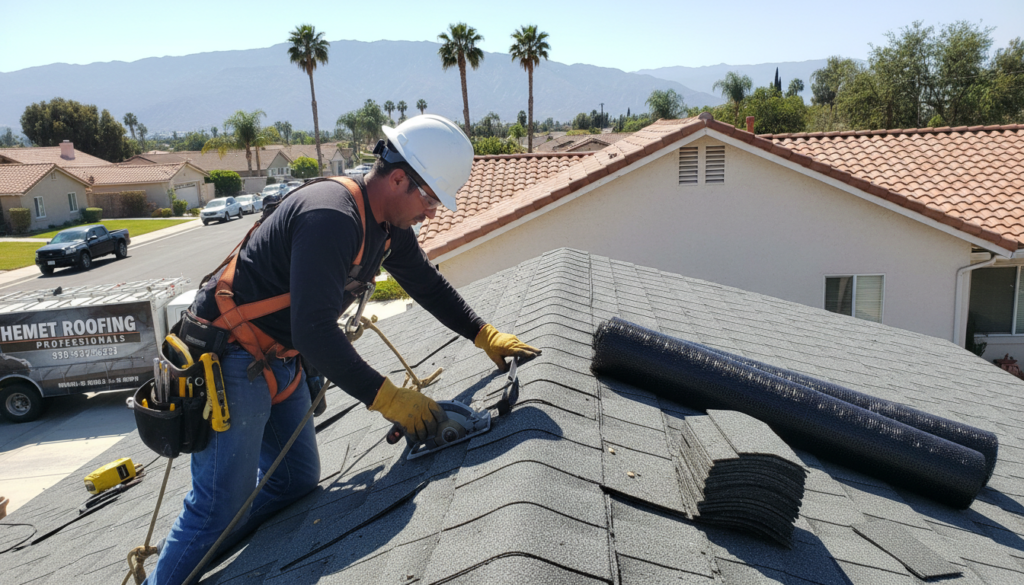
Roof work involves significant safety risks. Hemet's summer heat makes roof surfaces dangerously hot. Falls from roofs cause serious injuries annually. Proper safety equipment and training prove essential. Professional contractors maintain insurance and follow safety protocols.
Cutting ventilation openings requires precision. Mistakes can compromise roof integrity and create leak points. Proper flashing installation around vents prevents water intrusion. Professional installation guarantees correct techniques and materials. Your home stays protected while gaining ventilation benefits.
Warranty and Long-Term Performance
Professional installation typically includes workmanship warranties. If problems develop, contractors address them. DIY installations leave you responsible for any issues. Manufacturer warranties often require professional installation. This protection provides peace of mind and financial security.
Properly installed ventilation systems require minimal maintenance. Components last decades when installed correctly. Professional work ensures optimal performance from day one. Your energy savings begin immediately and continue year after year. The investment in quality installation returns value throughout your home's life.
Maintaining Your Ventilation System for Maximum Efficiency
Even excellent ventilation systems need occasional attention. Simple maintenance preserves performance and protects your energy savings. Understanding what to check and when helps you maintain optimal home energy efficiency.
Regular Inspection Schedule
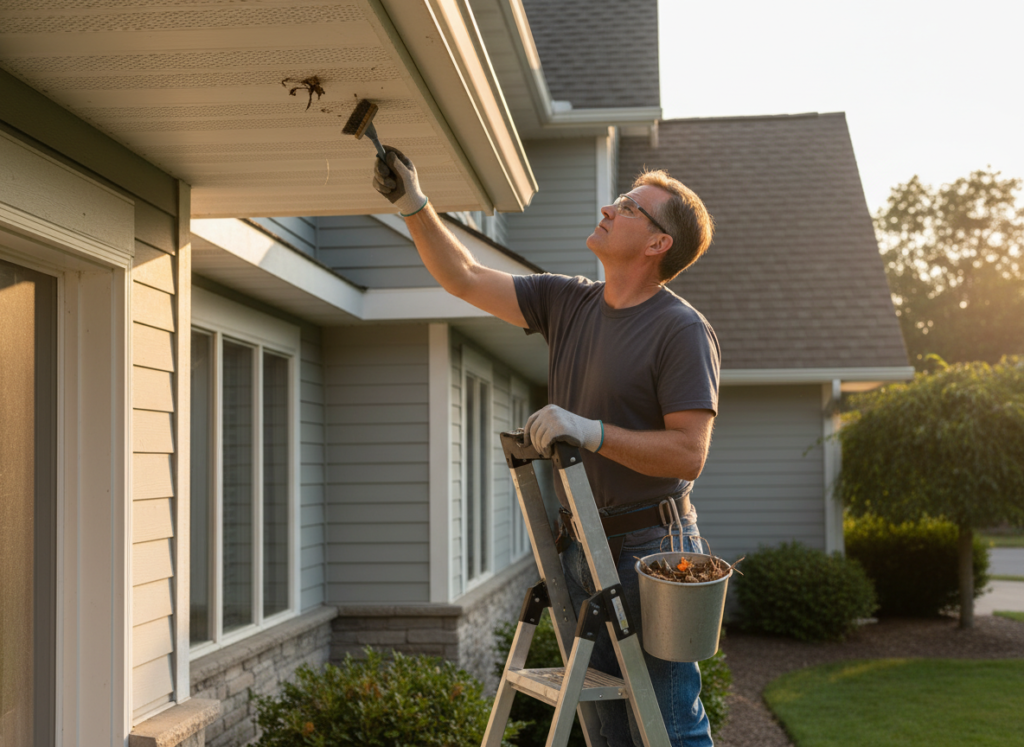
Check soffit vents twice yearly for blockages. Debris, insulation, or pest nests can restrict intake airflow. Clear any obstructions immediately. Inspect ridge vents annually for damage or deterioration. Look for gaps that might allow water infiltration.
Schedule professional attic inspections every three to five years. Experts identify problems you might miss. They verify that insulation hasn't blocked vents. They check for moisture signs indicating ventilation inadequacy. This preventive approach protects your investment and maintains energy savings.
Seasonal Preparation Tasks
Before Hemet's summer heat arrives, verify ventilation pathways remain clear. Remove any accumulated debris from previous seasons. Check that all vents open freely without obstruction. This preparation ensures your ventilation system operates at peak efficiency when you need it most.
After strong winds or storms, inspect exterior vents for damage. Desert windstorms can dislodge components or deposit debris. Quick attention prevents small problems from becoming major issues. Your proactive maintenance protects ongoing energy efficiency and saves energy throughout the year.
Recognizing When Professional Service Is Needed
Some maintenance exceeds homeowner capabilities. Roof-level vent repairs require professional expertise and safety equipment. Significant blockages might indicate structural issues needing expert diagnosis. Changes in energy consumption despite apparently functioning vents suggest hidden problems.
Professional roofers in Hemet understand local conditions affecting ventilation systems. They identify issues specific to desert climates. They recommend upgrades that enhance performance. Their experience ensures your ventilation system continues delivering maximum energy savings year after year.
Complementary Strategies to Maximize Energy Efficiency
Ventilation works best as part of a comprehensive energy strategy. Several complementary approaches enhance your overall home energy efficiency. Combining these methods delivers greater savings than any single improvement alone.
Insulation Upgrades and Air Sealing
Adequate attic insulation complements proper ventilation. Hemet homes should maintain R-38 to R-49 insulation levels. This creates a thermal barrier between hot attic air and living spaces. Even with perfect ventilation, insufficient insulation allows heat transfer.
Air sealing prevents conditioned air loss. Gaps around attic access points, light fixtures, and plumbing penetrations leak costly cooled air. Sealing these openings before adding insulation maximizes efficiency. Your cooling system maintains comfort with less energy consumption. Combined with ventilation improvements, you achieve substantial utility bills reduction.
Reflective Roofing Materials
Cool roofing materials reflect solar radiation rather than absorbing it. Light-colored shingles or reflective coatings reduce roof surface temperatures significantly. When combined with proper ventilation, these materials dramatically decrease attic heat buildup.
Hemet's intense sun makes reflective roofing particularly valuable. Surface temperatures can drop 30-50°F compared to dark shingles. This reduction means less heat for your ventilation system to exhaust. Your cooling costs decrease further. The synergy between reflective materials and ventilation amplifies energy savings beyond either improvement alone.
HVAC System Optimization
Regular HVAC maintenance ensures your cooling system operates efficiently. Clean filters improve airflow and reduce energy consumption. Properly charged refrigerant systems cool more effectively. Duct sealing prevents cooled air loss before it reaches living spaces.
Smart thermostats optimize cooling schedules based on your patterns. They reduce unnecessary runtime while maintaining comfortable living conditions. When your HVAC system works efficiently and your attic stays cooler through proper ventilation, energy bills drop substantially. The combination delivers peak performance and maximum savings.
Why Local Hemet Expertise Matters for Ventilation Solutions
Hemet's unique climate demands specialized knowledge. Generic ventilation approaches don't account for extreme heat and UV exposure. Local roofing professionals understand these specific challenges. Their experience translates directly to better performance and greater energy savings for your home.
Understanding Regional Climate Patterns
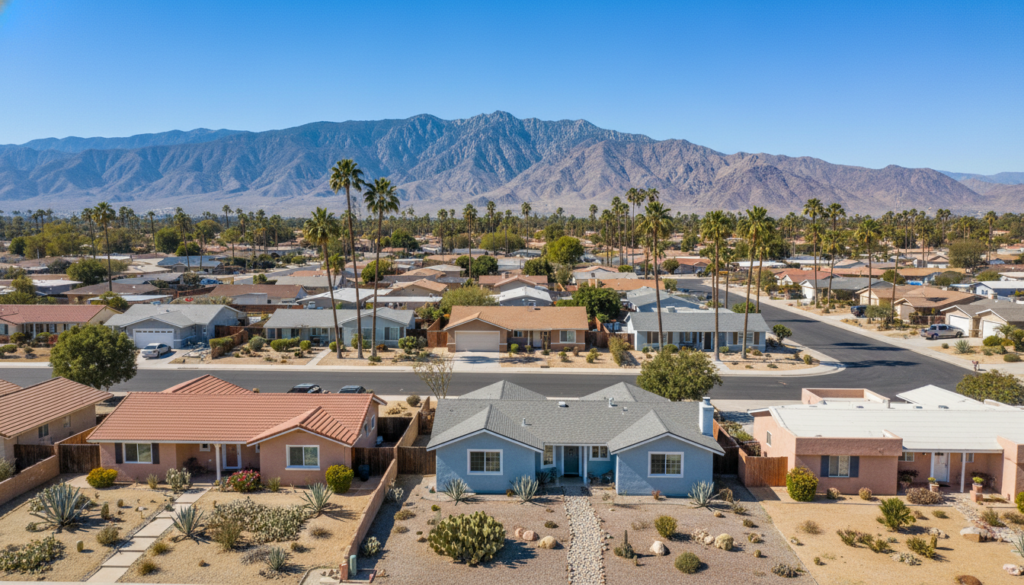
Hemet's temperature patterns differ significantly from coastal California. Summer heat persists longer with minimal cooling at night. UV intensity remains high nearly year-round. These factors stress roofing systems and ventilation components in unique ways.
Local contractors track how specific materials perform in Hemet conditions. They know which ventilation configurations work best for different roof styles common in the area. They understand seasonal wind patterns that affect ventilation performance. This regional knowledge ensures your system delivers optimal results.
Building Code Compliance and Permits
Ventilation modifications may require permits in Hemet and San Jacinto. Local contractors maintain relationships with building departments. They understand current code requirements. They handle permit applications efficiently. This expertise prevents delays and ensures compliance.
Improper ventilation installation can void roof warranties or create insurance complications. Professional contractors guarantee code-compliant work. Their installations meet manufacturer specifications. You gain peace of mind knowing your home improvements comply with all regulations while delivering promised energy savings.
Community Reputation and Accountability
Local roofing companies build reputations through years of quality work. They maintain accountability to their community. They respond quickly to concerns. They stand behind their installations long-term. This local presence provides security that national chains or distant contractors cannot match.
Word-of-mouth recommendations from neighbors carry weight. Local contractors earn business through satisfied customers. They understand that quality work creates referrals. This community connection motivates excellence. Your ventilation project receives attention from professionals invested in your satisfaction and their local reputation.
Partner with Hemet's Trusted Ventilation Experts
Outershield Roofing has served Hemet and San Jacinto homeowners for years. We understand exactly how desert heat affects your roof and energy bills. Our team specializes in ventilation solutions designed specifically for our extreme climate. We provide honest assessments, quality installations, and long-term support. Your home deserves protection from professionals who understand local challenges. Schedule your free ventilation assessment today.
Return on Investment Timeline for Ventilation Improvements
Understanding when your ventilation investment pays for itself helps with planning decisions. Most homeowners see positive returns within three to five years. Long-term benefits extend far beyond initial payback.
Initial Investment Considerations
Professional ventilation installation costs vary based on home size and system complexity. Ridge vent installation with adequate soffit vents typically ranges from $1,500 to $4,000 for average homes. This investment includes materials, labor, and proper integration with existing roofing.
Compare this cost against annual energy savings of $185 to $375. Add the value of extended HVAC lifespan and delayed roof replacement. Calculate avoided repair costs from heat and moisture damage. The complete financial picture demonstrates compelling value. Your investment protects your home while reducing ongoing expenses.
| Year | Energy Savings | HVAC Benefit | Cumulative Value | ROI Status |
| Year 1 | $185-$375 | $100 | $285-$475 | 15-25% |
| Year 3 | $555-$1,125 | $300 | $855-$1,425 | 43-71% |
| Year 5 | $925-$1,875 | $500 | $1,425-$2,375 | 71-119% |
| Year 10 | $1,850-$3,750 | $1,000 | $2,850-$4,750 | 143-238% |
Long-Term Value Accumulation
Ventilation benefits accumulate over your home's entire ownership period. Energy savings continue year after year. Your HVAC system lasts longer, delaying expensive replacement. Your roof materials experience less thermal stress, extending their lifespan. These ongoing benefits compound substantially.
Property value increases when homes feature proper ventilation and demonstrated energy efficiency. Buyers recognize lower operating costs. Energy-efficient homes command premium prices. Your ventilation investment enhances resale value while providing immediate comfort and savings benefits.
Common Ventilation Myths Debunked
Misconceptions about attic ventilation lead homeowners to make poor decisions. Understanding the facts helps you avoid costly mistakes. Let's address the most common myths about roof ventilation energy savings.
Myth: More ventilation always performs better
Excessive ventilation can actually reduce efficiency. Over-ventilation creates negative pressure that pulls conditioned air from living spaces. Balanced intake and exhaust in proper ratios delivers optimal performance. Professional assessment determines correct ventilation amounts for your specific home. More isn't always better when it comes to attic ventilation.
Myth: Ventilation only matters in winter
Many homeowners associate ventilation with preventing ice dams in cold climates. However, ventilation proves even more critical during Hemet's summer months. Removing excessive heat buildup reduces cooling costs significantly. Year-round ventilation benefits include moisture control, extended roof lifespan, and consistent energy efficiency regardless of season.
Myth: Powered fans outperform passive ventilation
Powered attic fans consume electricity and require maintenance. They can create problems if intake ventilation proves inadequate. Properly designed passive systems using ridge vents and soffit vents typically deliver superior long-term performance. They operate silently, require no power, and need minimal maintenance. Natural convection provides reliable, cost-effective ventilation for most homes.
Myth: New roofs automatically include proper ventilation
Some contractors focus solely on shingle replacement without addressing ventilation adequacy. A new roof installation provides the perfect opportunity to upgrade ventilation systems. However, this doesn't happen automatically. Specify ventilation improvements when planning roof replacement. Ensure your contractor designs and installs complete, balanced ventilation as part of the project.
Taking Action to Improve Your Home's Ventilation
You now understand how proper roof ventilation energy savings can transform your home's comfort and efficiency. Knowledge becomes valuable only when applied. Taking specific steps moves you toward lower energy bills and improved living conditions.
Assessment and Planning
Start with professional evaluation of your current ventilation system. Experts measure existing vent areas and calculate requirements for your home. They identify specific deficiencies limiting performance. They recommend improvements tailored to your situation and budget.
Don't assume your ventilation proves adequate simply because vents exist. Many homes feature insufficient intake, unbalanced systems, or blocked pathways. Professional assessment reveals these problems. Accurate diagnosis ensures improvements target actual issues rather than perceived problems.
Prioritizing Improvements
If budget constraints require phased improvements, prioritize based on impact. Adding adequate soffit vents often delivers the greatest immediate benefit. Ridge vent installation provides excellent exhaust when combined with proper intake. Address obvious blockages or damage first.
Consider timing ventilation improvements with other roofing work. If you need roof repairs or replacement, incorporate ventilation upgrades simultaneously. This approach minimizes disruption and often reduces overall costs. Your investment delivers maximum value through coordinated improvements.
Selecting the Right Contractor
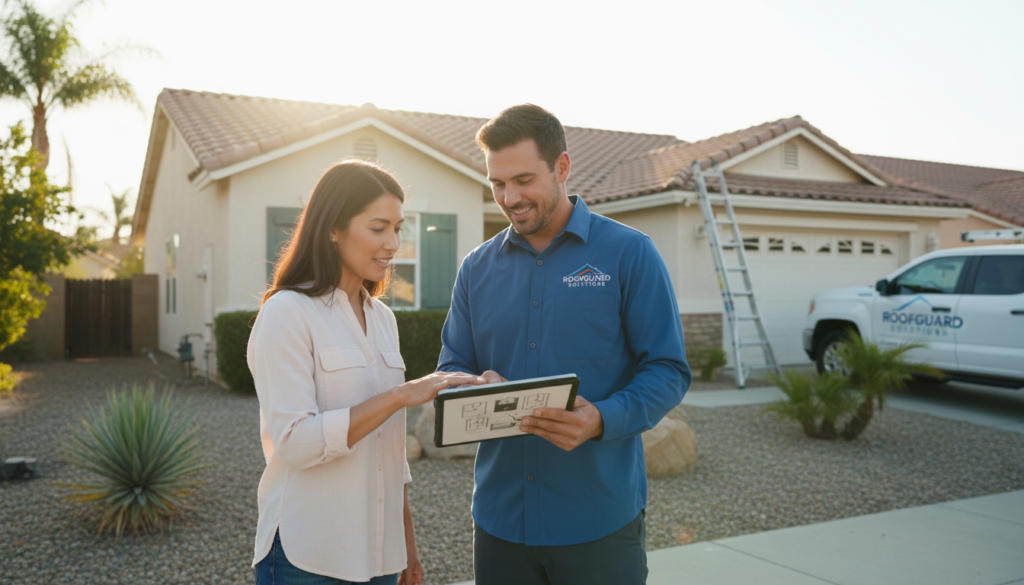
Choose contractors with specific ventilation expertise and local experience. Request references from recent Hemet customers. Verify licensing and insurance coverage. Ask detailed questions about their assessment process and recommended solutions.
Quality contractors explain their recommendations clearly. They provide written proposals detailing work scope, materials, and costs. They answer questions patiently. They stand behind their work with solid warranties. Your choice of contractor significantly affects both immediate results and long-term satisfaction.
Protecting Your Home and Budget Through Smart Ventilation
Hemet's extreme climate challenges every home. Your roof bears the brunt of intense heat and UV radiation daily. Without proper attic ventilation, this environmental assault translates directly into excessive energy bills and uncomfortable living conditions. Your cooling system struggles. Your budget suffers. Your comfort deteriorates.
Proper ventilation changes this equation fundamentally. Balanced airflow removes trapped heat before it radiates into living spaces. Your air conditioning operates efficiently instead of fighting impossible thermal loads. Energy consumption decreases by 15-30% during peak summer months. Your HVAC system lasts years longer. Your roof materials experience less thermal stress and last longer.
The investment in quality ventilation pays dividends year after year. Energy savings accumulate. Avoided repair costs add value. Enhanced comfort improves your quality of life. Your home becomes the efficient, comfortable sanctuary it should be rather than a constant battle against heat and high utility bills.
Local expertise matters significantly for ventilation success. Hemet's unique climate demands specialized knowledge. Contractors familiar with regional conditions design systems that perform optimally in extreme heat. They understand which materials and configurations deliver the best long-term results. They ensure code compliance and warranty protection.
Start Saving Energy Today with Outershield Roofing
You deserve a home that stays comfortable without breaking your budget. Outershield Roofing specializes in ventilation solutions designed specifically for Hemet and San Jacinto's challenging climate. Our experienced team provides comprehensive assessments at no cost. We'll show you exactly how proper ventilation can reduce your cooling costs and protect your home. We stand behind our work with solid warranties and unwavering commitment to your satisfaction. Don't let another summer pass with excessive energy bills and uncomfortable temperatures. Take control of your home's efficiency now.
Your home represents your largest investment. Protecting that investment through proper ventilation makes financial sense. The combination of immediate comfort improvements and long-term cost savings creates compelling value. Every day you delay means continued energy waste and unnecessary expense.
Take the first step toward roof ventilation energy savings today. Contact local ventilation experts who understand your specific needs. Get professional assessment of your current system. Learn your true savings potential. Make informed decisions based on accurate information and expert recommendations. Your more comfortable, energy-efficient home awaits.