
Your roof does more than just protect your home from rain and sun. It relies on a complex ventilation system that works silently behind the scenes. When that system fails, the consequences can devastate your entire home.
In Hemet and San Jacinto, where summer temperatures regularly exceed 95°F and UV radiation ranks among California's highest, proper attic ventilation isn't optional. It's essential for protecting your investment.
Poor ventilation creates a domino effect. Heat and moisture get trapped in your attic. Your Outershieldroofingcorp.com/roof-ventilation-energy-savings/” target=”_blank” rel=”noopener noreferrer”>energy bills climb. Your shingles age faster. Wood begins to rot. What starts as an invisible problem quickly becomes an expensive emergency.
Understanding the warning signs helps you catch ventilation issues before they destroy your roof. You can protect your home by recognizing these problems early.
Understanding Roof Ventilation and Why It Matters in Hemet
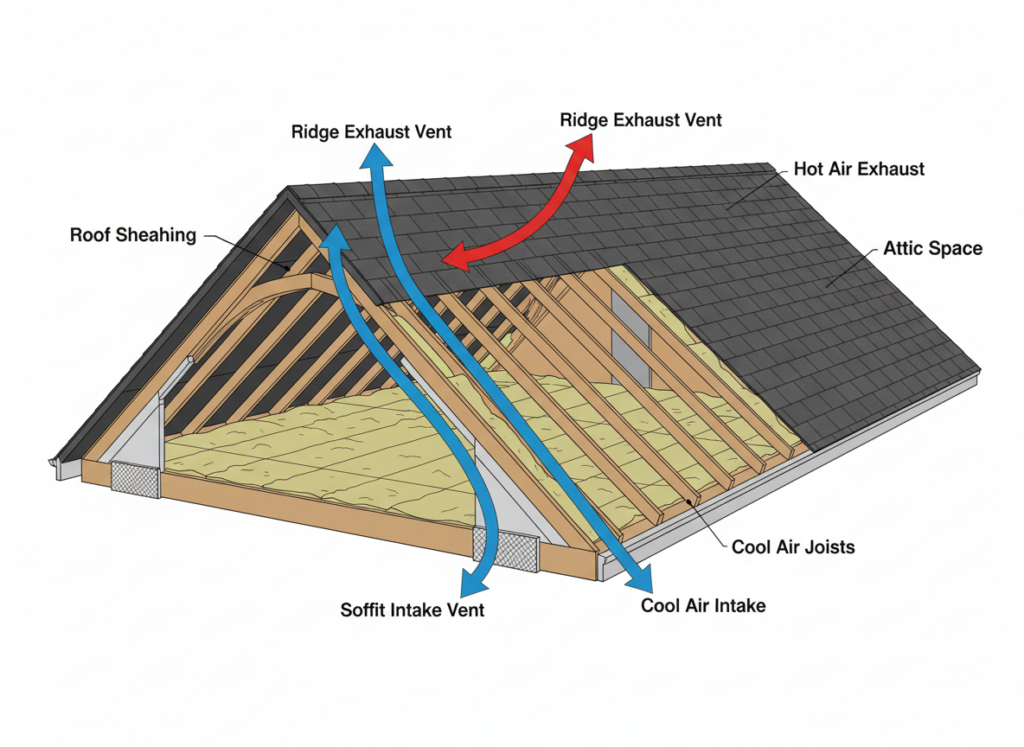
Roof ventilation creates a continuous flow of air through your attic space. Fresh air enters through intake vents near the eaves. Warm air exits through exhaust vents at the roof peak or ridge.
This system serves two critical functions. First, it removes excess heat that builds up in your attic during Hemet's scorching summers. Second, it eliminates moisture that can lead to mold growth and structural damage.
The climate in Hemet and San Jacinto creates unique challenges. According to Weather.com data, summer temperatures in Hemet average 96°F in July and August. Your roof surface can reach temperatures exceeding 160°F under direct sunlight.
Without adequate airflow, your attic becomes a furnace. That trapped heat radiates down into your living spaces. Your air conditioning works overtime trying to maintain comfortable temperatures. Your energy bills soar.
Hemet receives approximately 272 sunny days per year. That constant UV exposure accelerates shingle deterioration. Poor ventilation compounds this problem by allowing heat to cook your roofing materials from below.
Proper ventilation extends your roof's lifespan. It reduces energy costs. It prevents moisture damage. In our desert climate, good airflow protects your most valuable asset.
Skyrocketing Energy Bills Signal Ventilation Problems
Your monthly energy bills tell a story about your home's efficiency. When those bills suddenly spike without explanation, poor attic ventilation often shares the blame.
Trapped attic heat doesn't stay in your attic. It radiates through your ceiling insulation into your living spaces. Your air conditioning system battles this constant heat source throughout the day.

During Hemet's summer months, this problem intensifies. When outdoor temperatures reach the mid-90s and your attic temperature climbs above 150°F, the temperature difference forces your HVAC system to run continuously.
The numbers don't lie. Homes with poor attic ventilation can experience 20-30% higher cooling costs compared to properly ventilated homes. For a typical Hemet household, that translates to hundreds of dollars in unnecessary expenses.
You might notice your air conditioner cycling more frequently. It runs longer to achieve the same temperature. Those extended run times increase wear on the system while driving up electricity consumption.
Temperature inconsistencies also point to ventilation issues. Upper-floor rooms feel noticeably warmer than lower levels. Certain areas never seem to cool down properly regardless of thermostat settings.
Energy efficiency matters in our climate. Proper ventilation helps your cooling system work as designed. It maintains comfortable temperatures without excessive energy consumption.
Visible Damage and Physical Warning Signs
Your attic holds obvious clues about ventilation problems. A quick inspection reveals telltale signs that moisture and heat are destroying your roof system from within.
Water Stains and Moisture Marks
Water stains on attic wood surfaces indicate serious moisture problems. These dark streaks or discolored patches appear on rafters, roof decking, and ceiling joists.
Poor ventilation creates conditions for condensation. When warm, moist air meets cool surfaces, water droplets form. Over time, this constant moisture exposure leaves permanent stains.
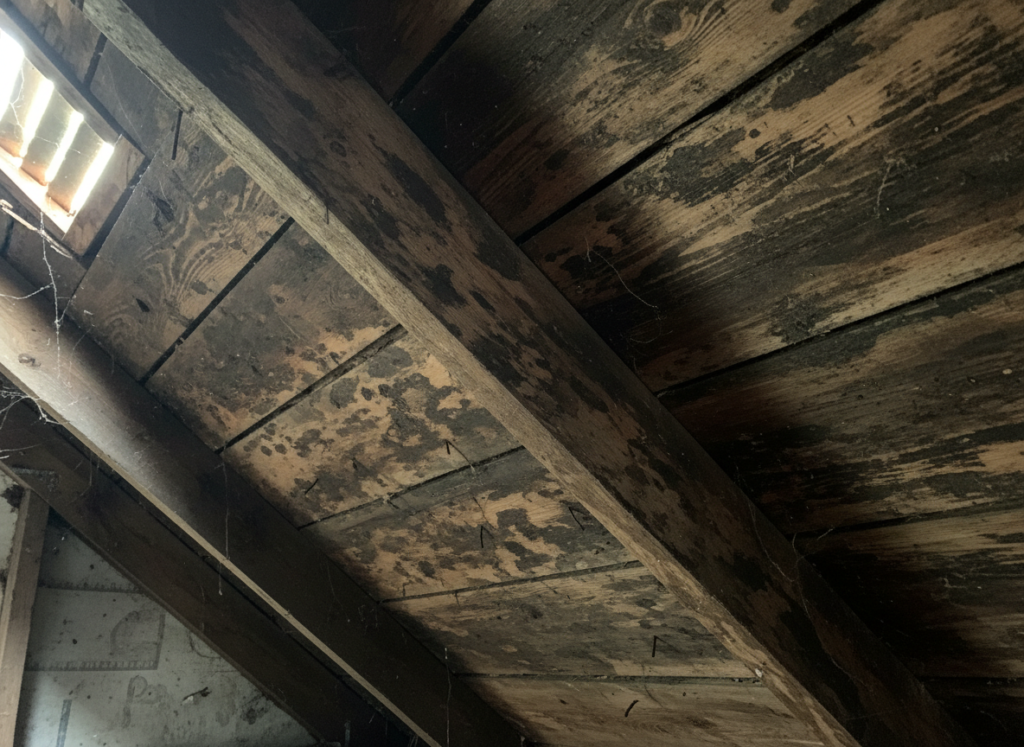
You might see water stains concentrated near roof penetrations. Bathroom exhaust fans, kitchen vents, and plumbing stacks all introduce moist air into your attic space.
In Hemet homes, even minimal moisture becomes problematic. Our low humidity means any trapped moisture stands out. That makes early detection possible before major damage occurs.
Mold Growth and Musty Odors
Visible mold represents an advanced ventilation failure. Black, green, or white patches on attic surfaces indicate persistent moisture problems that compromise indoor air quality.
Mold growth requires three elements: moisture, organic material, and warm temperatures. Poor attic ventilation provides all three. Wood framing serves as food. Trapped moisture creates humidity. Heat accelerates growth.
Musty odors often appear before visible mold. That distinctive smell indicates active mold colonies growing in hidden areas. The odor might drift into living spaces through ceiling fixtures or wall penetrations.
Mold poses health risks beyond structural concerns. Spores circulate through your HVAC system. Family members may experience respiratory irritation, allergies, or other health issues.
Addressing mold requires eliminating the moisture source. Simply cleaning visible growth doesn't solve underlying ventilation issues. The problem returns until proper airflow is restored.
Deteriorating Insulation
Attic insulation degrades when exposed to excessive heat and moisture. You'll notice compressed, discolored, or matted insulation that no longer provides effective thermal resistance.
Fiberglass insulation loses effectiveness when saturated with moisture. The material compresses and cannot trap air properly. Your home loses the thermal barrier that keeps heat out during summer.
Look for insulation that appears dirty or stained. These signs indicate air movement through the insulation rather than through proper ventilation channels. That suggests inadequate ventilation capacity for your attic size.
Noticed These Warning Signs in Your Home?
Don't wait for small ventilation problems to become major repairs. Our experienced team provides free roof and attic ventilation inspections for Hemet and San Jacinto homeowners. We'll assess your current system and recommend solutions tailored to our unique desert climate.
Premature Shingle Deterioration and Roof Damage
Your roof shingles face constant assault from Hemet's intense sunlight. Poor ventilation accelerates damage by cooking shingles from below while UV radiation attacks from above.
Curling and Buckling Shingles
Shingle edges that curl upward or surfaces that buckle indicate excessive attic heat. These deformities compromise your roof's waterproofing ability and create entry points for water.
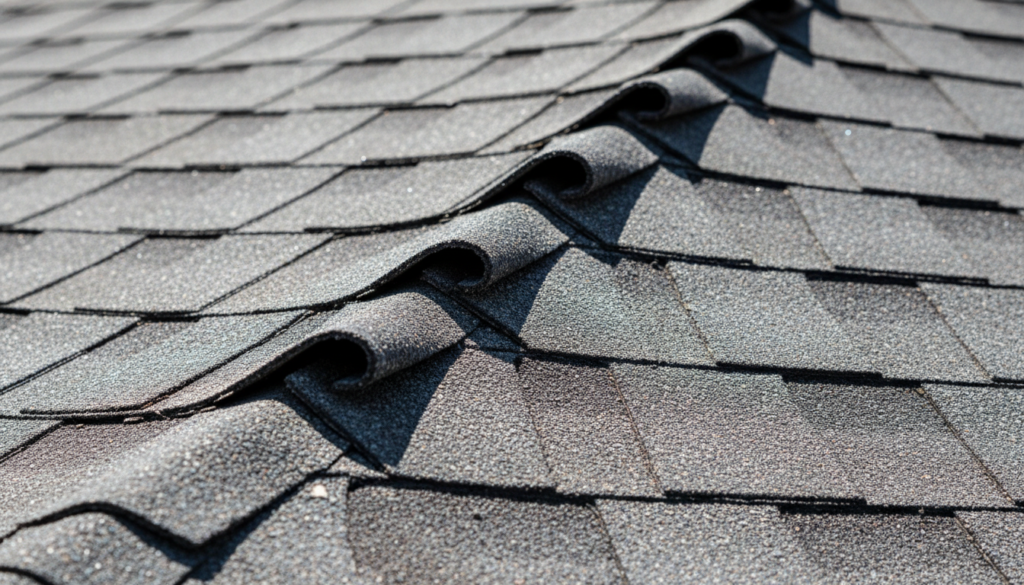
Excessive attic temperatures cause shingles to age prematurely. The asphalt binder becomes brittle. Shingles lose flexibility. Materials that should last 20-25 years fail in half that time.
In our climate, roof surface temperatures can exceed 160°F during peak summer hours. Add trapped attic heat radiating upward, and shingles experience thermal stress from both directions.
You might notice shingle damage concentrated on south and west-facing roof sections. These areas receive the most intense afternoon sun exposure common in Hemet and San Jacinto.
Granule Loss
Excessive granule accumulation in gutters signals advanced shingle deterioration. These ceramic granules protect the asphalt layer from UV damage. Accelerated granule loss leaves shingles vulnerable.
Heat stress causes the bond between granules and asphalt to fail. The protective coating washes away during rainfall. Exposed asphalt oxidizes rapidly under our intense sunlight.
Check your gutters and downspouts after rain. Small amounts of granules are normal for aging roofs. Heavy granule loss indicates serious problems requiring professional assessment.
Ice Damming Effects
While less common in Hemet, poor ventilation during our occasional cold snaps can create problems. Temperature variations between day and night stress roofing materials.
Uneven attic temperatures cause expansion and contraction cycles. This thermal movement stresses shingle adhesive bonds and can crack sealant. Over years, this cumulative damage shortens roof lifespan.
How Hemet's Climate Amplifies Ventilation Problems
Hemet and San Jacinto present unique roofing challenges that make proper ventilation absolutely critical. Understanding our local climate helps you protect your home effectively.
Extreme Temperature Fluctuations
Our desert location creates dramatic temperature swings. Summer days routinely reach the mid-90s while nights cool to the 60s. This daily cycle stresses roofing systems repeatedly.
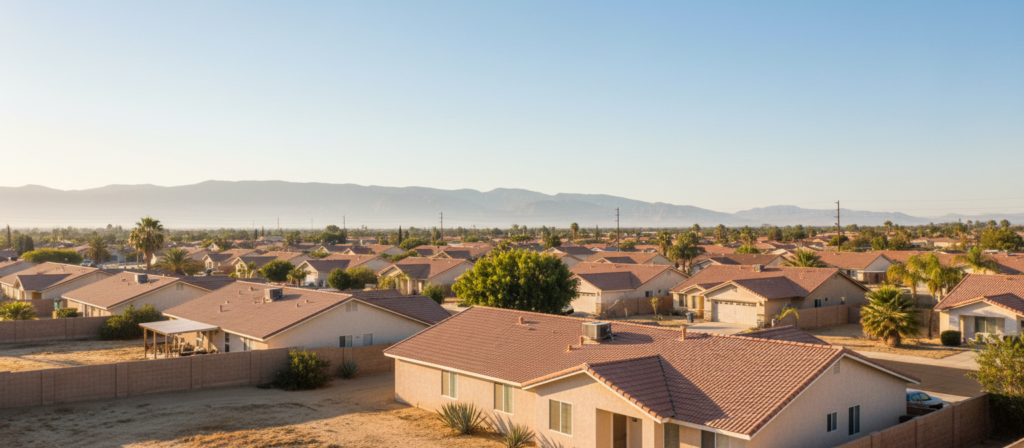
According to Weather.com data, Hemet experiences average high temperatures of 96°F in July and August. The record high reached 121°F. These extremes push roofing materials to their limits.
Winter brings milder conditions but still requires ventilation. Average December lows around 37°F create temperature differentials that can cause condensation in poorly ventilated attics.
Poor airflow prevents your attic from moderating these temperature swings. The space becomes a heat trap in summer and a moisture trap during cooler months.
Intense UV Radiation
Hemet receives approximately 272 sunny days annually. That constant sunshine delivers intense ultraviolet radiation that degrades roofing materials faster than in cloudier regions.
UV radiation breaks down the petroleum-based compounds in asphalt shingles. The process accelerates at higher temperatures. When poor ventilation allows excessive attic heat, shingles age from both UV exposure above and heat stress below.
Research from roofing material manufacturers shows that roof surface temperatures can reach 50-75°F above ambient air temperature. On a 95°F Hemet afternoon, your roof surface may exceed 165°F.
This thermal stress becomes chronic in our climate. Proper ventilation helps dissipate some of that heat before it damages shingles and roof decking.
Monsoon Season Moisture
While Hemet receives limited annual rainfall, our summer monsoon pattern brings sudden intense storms. These weather events test your roof's ability to handle moisture.
Monsoon humidity levels spike temporarily. Poor ventilation traps that moisture in your attic space. Without adequate exhaust vents, moist air lingers long after storms pass.
The combination of heat and moisture creates ideal conditions for mold growth. Our typically dry climate means homes aren't designed to handle sustained humidity. Ventilation becomes the primary moisture control mechanism.
Structural Damage From Prolonged Ventilation Issues
Poor ventilation doesn't just affect your roof surface. It threatens the structural integrity of your entire roof system through progressive wood deterioration.
Wood Rot and Decay
Roof decking, rafters, and trusses all consist of wood components vulnerable to moisture damage. Trapped humidity creates conditions for wood-destroying fungi to thrive.
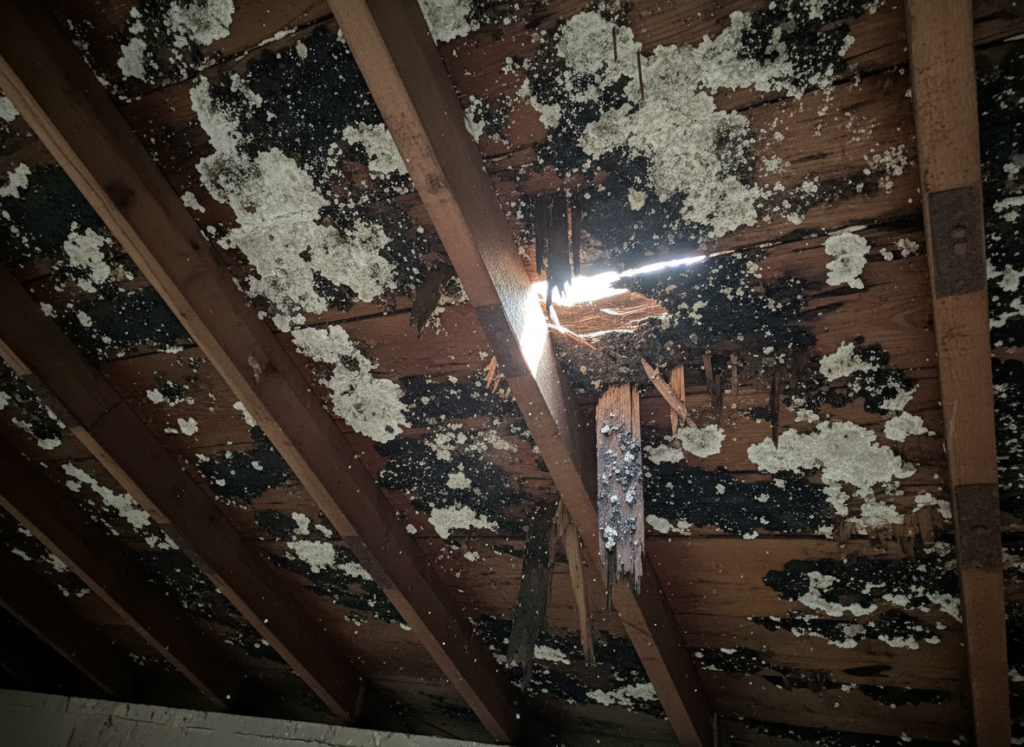
Wood rot develops slowly but relentlessly. Initial surface discoloration progresses to soft, spongy areas. Eventually, structural members lose load-bearing capacity.
In extreme cases, rotted roof decking can collapse under weight. Snow loads, roofing crews, or even heavy equipment can break through compromised sections.
You might notice sagging areas in your roof line. These depressions indicate weakened structural support. This represents an advanced failure stage requiring immediate attention.
Repairing wood rot involves replacing damaged sections. This work requires removing roofing materials, installing new decking or framing, and reinstalling weatherproofing layers. Costs escalate quickly.
Fastener Corrosion
Metal fasteners throughout your roof system corrode when exposed to persistent moisture. Rusted nails lose holding power. Corroded brackets fail under stress.
As fasteners deteriorate, shingles become vulnerable to wind damage. Our occasional Santa Ana wind events can strip loose shingles from poorly secured roofs.
Metal roofing components also suffer from poor ventilation. Condensation accelerates rust formation on flashing, valleys, and penetration collars. These critical waterproofing elements fail prematurely.
Compromised Structural Integrity
The cumulative effect of moisture damage, wood rot, and fastener corrosion undermines your roof's structural stability. What began as a ventilation problem evolves into a safety hazard.
Professional inspection can identify early warning signs before catastrophic failure occurs. Look for water stains, sagging areas, or visible deterioration during regular attic checks.
Indoor Air Quality and Health Impacts
Poor attic ventilation doesn't stay confined to your attic. It affects the air you breathe throughout your entire home, creating potential health concerns for your family.
Mold Spore Circulation
Mold colonies growing in poorly ventilated attics release millions of microscopic spores. These spores travel through ceiling penetrations, light fixtures, and HVAC systems into your living spaces.
Respiratory irritation represents the most common health complaint. Family members may experience coughing, sneezing, or throat irritation without obvious cause. Allergy sufferers notice worsening symptoms.
Children and elderly family members face higher risks from mold exposure. Their developing or compromised immune systems prove more vulnerable to airborne contaminants.
Professional mold remediation requires addressing the moisture source. Simply cleaning visible growth provides temporary relief. Proper ventilation must be restored to prevent recurrence.
Increased Humidity Levels
Excess moisture from poor attic ventilation can raise indoor humidity throughout your home. Higher humidity creates uncomfortable conditions and promotes additional mold growth in living spaces.
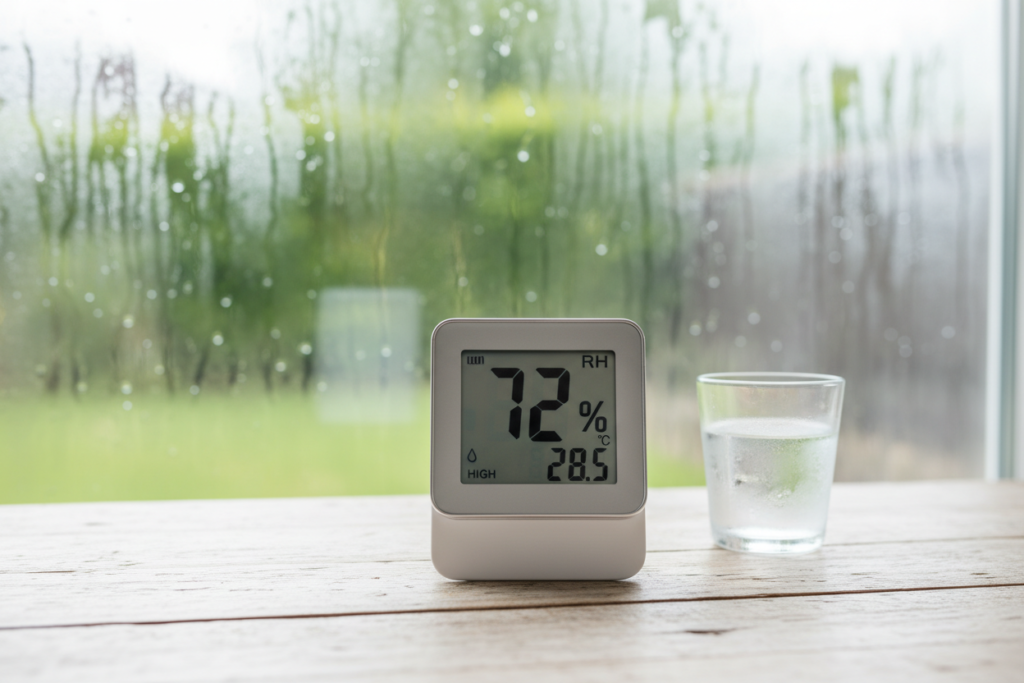
You might notice condensation forming on windows during cooler mornings. This indicates excessive indoor moisture levels. In Hemet's dry climate, indoor condensation signals ventilation problems.
Dust mites thrive in humid environments. These microscopic pests trigger allergies and asthma symptoms. Controlling humidity through proper ventilation reduces dust mite populations.
Musty Odors
That distinctive musty smell indicates active microbial growth somewhere in your home. The odor often originates in poorly ventilated attics and permeates living spaces.
These odors affect home comfort and property value. Potential buyers notice musty smells immediately during showings. The odor signals underlying problems that concern informed purchasers.
Eliminating musty odors requires fixing ventilation issues at their source. Air fresheners and cleaning products provide only temporary masking. Professional assessment identifies moisture sources.
Local Expertise for Hemet's Unique Climate Challenges
Outershield Roofing understands how Hemet and San Jacinto's extreme temperatures, intense UV exposure, and occasional monsoons affect your roof ventilation. We've protected local homes for years with solutions designed for our specific climate conditions. Trust our team's local knowledge to keep your home safe and comfortable.
Identifying Inadequate Ventilation Systems
Understanding your current ventilation setup helps you recognize when improvements are needed. Most homes use one of several common ventilation configurations.
Intake and Exhaust Balance
Effective ventilation requires balanced intake and exhaust. Fresh air enters through soffit vents along your roof's eaves. Hot air escapes through exhaust vents near the ridge or peak.
Many homes have insufficient intake vents. Blocked or undersized soffit vents restrict airflow even when adequate exhaust vents exist. This imbalance prevents proper air circulation.
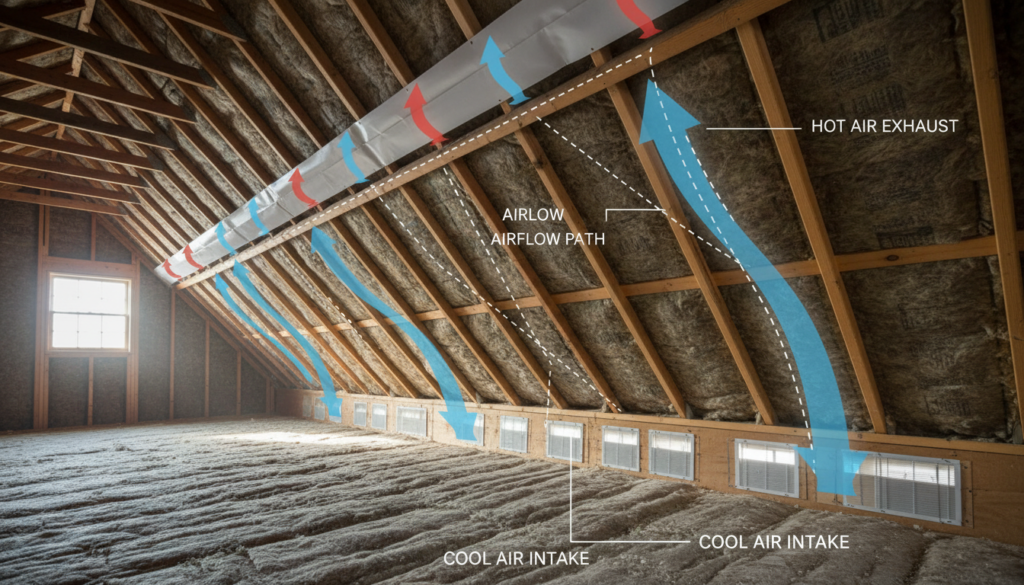
Building codes specify ventilation requirements based on attic square footage. The general guideline calls for one square foot of ventilation for every 150 square feet of attic space. This total should split evenly between intake and exhaust.
Older Hemet homes may not meet current ventilation standards. Previous owners might have blocked soffit vents during insulation upgrades. These common problems restrict essential airflow.
Common Ventilation Types
Ridge vents run continuously along your roof peak. These provide effective exhaust ventilation with minimal visual impact. Combined with adequate soffit intake, ridge vents create natural convection flow.
Static roof vents appear as small raised caps scattered across your roof surface. While functional, they provide less ventilation capacity than continuous ridge vents. Multiple units are needed for adequate coverage.
Turbine vents use wind power to draw air from your attic. These spinning ventilators work well during windy conditions but provide minimal ventilation on calm days common in summer.
Powered attic ventilators use electric fans to actively exhaust hot air. While effective, they require electrical connections and ongoing energy costs. Proper natural ventilation often proves more reliable and efficient.
Signs of Poor Airflow
Walk through your attic during a hot afternoon. Temperature should be noticeably lower near intake vents and higher near exhaust vents. Uniform temperatures throughout suggest inadequate air movement.
Hold your hand near soffit vents from inside the attic. You should feel slight air movement. No airflow indicates blocked or insufficient intake ventilation.
Check for insulation blocking soffit vents. This common installation mistake prevents fresh air from entering. Insulation should stop short of soffit openings to maintain clear airways.
Long-Term Consequences of Ignoring Ventilation Problems
Delaying ventilation repairs allows problems to compound. What starts as elevated energy bills progresses to structural damage requiring extensive repairs.
Shortened Roof Lifespan
Proper ventilation can extend your roof's lifespan by five to ten years. Poor ventilation cuts that lifespan significantly. Shingles designed for 25-year service may fail in 15 years or less.
Premature roof replacement represents a major expense. In Hemet, residential roof replacement costs average $8,000 to $15,000 depending on home size and material selection.
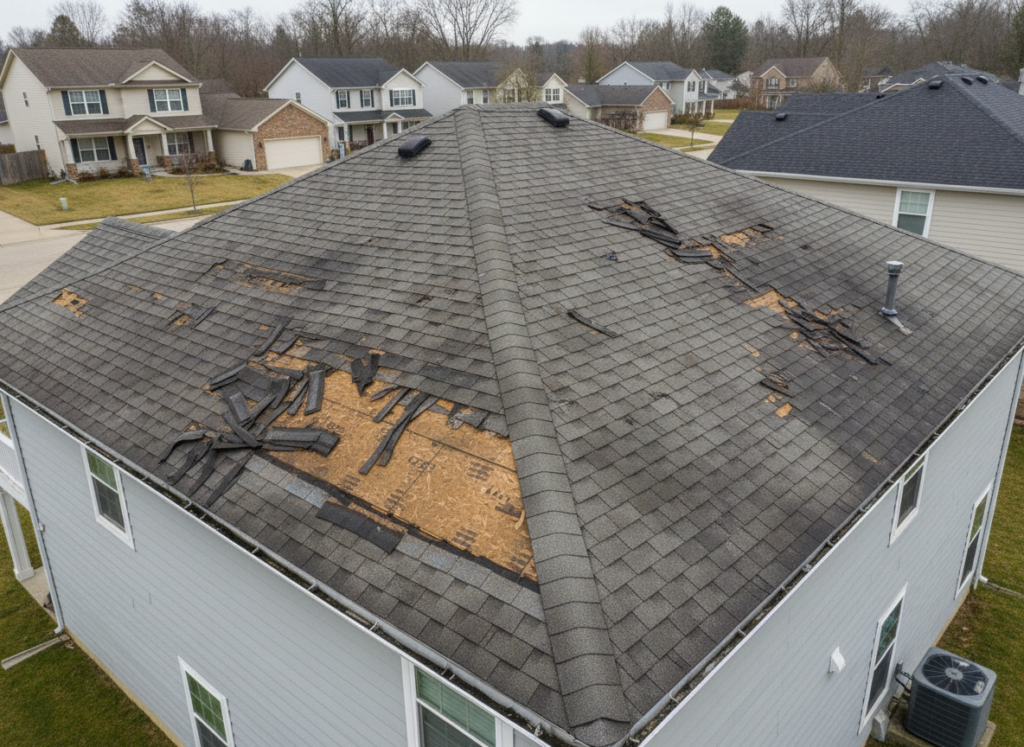
Preventive ventilation improvements cost far less than emergency roof replacement. Investing in proper airflow protects your larger investment in roofing materials and installation.
Cascading System Failures
Poor ventilation creates a cascade of problems throughout your home. Excessive attic heat stresses HVAC systems. Higher indoor humidity promotes mold growth in walls and living spaces.
Your air conditioning compressor works harder and longer to maintain comfortable temperatures. This excessive workload shortens equipment lifespan and increases repair frequency.
Insulation degraded by heat and moisture loses effectiveness. Your home's thermal envelope weakens. Heating and cooling costs rise while comfort levels decline.
These interconnected systems mean ventilation problems rarely exist in isolation. Addressing ventilation protects multiple home components simultaneously.
Property Value Impact
Home inspections reveal ventilation problems to potential buyers. Visible attic damage, high moisture readings, or inadequate vent configurations raise red flags.
Buyers often request repairs or price reductions when inspection reports identify ventilation issues. Some may walk away entirely rather than inherit known problems.
Zillow data for Hemet shows homes sell for premium prices when properly maintained. Addressing ventilation problems protects your property value and marketability.
When to Call Professional Roofing Experts
While homeowners can identify obvious warning signs, professional assessment provides comprehensive evaluation of your ventilation system's condition and performance.
What Professional Inspection Includes
Experienced roofing contractors examine your entire roof system. They measure attic temperatures, check vent configurations, and assess airflow patterns throughout your attic space.
Professionals use thermal imaging to identify hot spots indicating ventilation failures. These cameras reveal temperature variations invisible to the naked eye.
Moisture meters detect hidden water damage in roof decking and framing. Early detection prevents minor moisture problems from becoming major structural repairs.
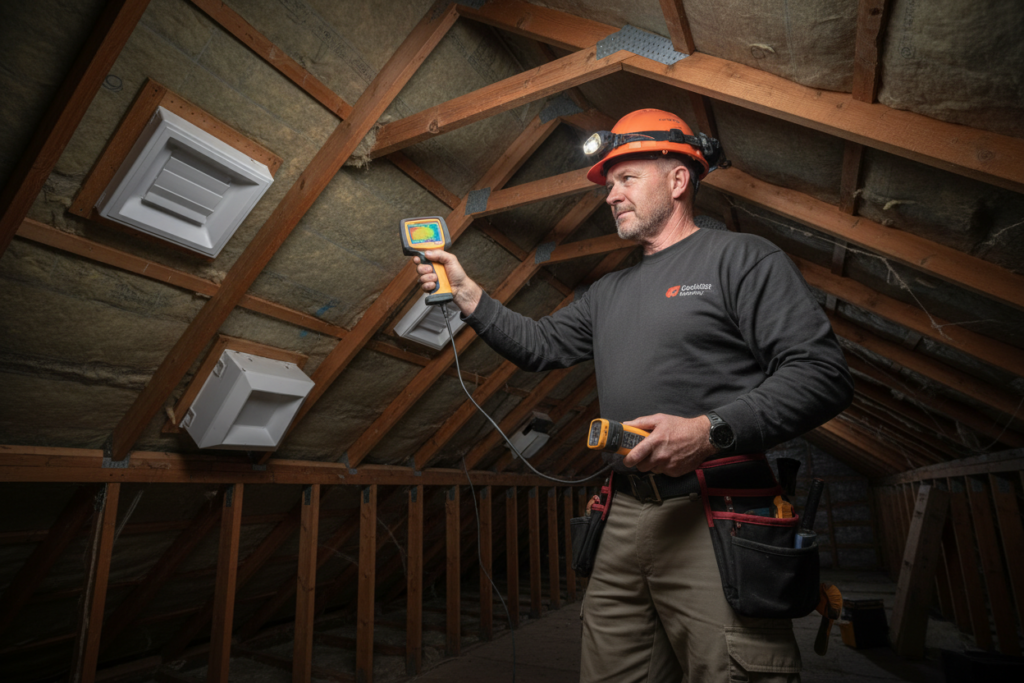
Inspectors calculate whether your current ventilation meets building code requirements. They identify blocked vents, inadequate capacity, or imbalanced intake and exhaust configurations.
Ventilation Solutions
Professional contractors recommend ventilation improvements tailored to your home's specific design and our local climate requirements.
Adding ridge vents provides effective continuous exhaust along your roof peak. This solution works well for many home styles and roof configurations.
Installing additional soffit vents increases intake capacity. Proper intake ensures adequate fresh air supply to fuel effective ventilation flow.
Baffles installed between rafters maintain clear airways from soffit to ridge. These channels prevent insulation from blocking critical ventilation paths.
Some situations require comprehensive ventilation system redesign. Older homes or complex roof geometries benefit from engineered solutions developed by experienced professionals.
Why Choose Outershield Roofing
Local expertise matters when addressing Hemet's unique climate challenges. Our team understands how intense UV radiation, extreme temperatures, and occasional monsoons affect roof performance.
We've served Hemet and San Jacinto homeowners for years. Our experience with local conditions ensures ventilation solutions that work effectively in our specific environment.
Our comprehensive approach examines your entire roof system. We identify problems before they escalate into expensive emergencies. Preventive maintenance protects your investment.
Customer satisfaction drives our business. Our Google My Business reviews reflect our commitment to quality workmanship and professional service. We treat your home with the care it deserves.
Schedule Your Free Roof Ventilation Inspection
Take the first step toward protecting your home. Complete this form to schedule a comprehensive ventilation assessment. We'll contact you within 24 hours to arrange a convenient inspection time.
Preventive Maintenance for Optimal Ventilation
Regular maintenance keeps your ventilation system functioning properly. Simple preventive steps help you avoid costly repairs and extend your roof's service life.
Seasonal Inspection Schedule
Spring and fall represent ideal times for ventilation system checks. Inspect your attic before summer heat arrives and again before winter weather patterns begin.
Check soffit vents for blockages. Remove debris, leaves, or insect nests that restrict airflow. Even partial blockages significantly reduce ventilation effectiveness.
Examine exhaust vents from both inside and outside your attic. Ensure they remain unobstructed and properly positioned. Damaged or displaced vents require prompt repair.
Monitor attic insulation to ensure it doesn't block soffit airways. Insulation naturally settles over time. Periodic adjustment maintains proper clearances for ventilation flow.
Professional Maintenance Services
Annual professional roof inspections catch problems early. Experienced contractors identify developing issues before they cause significant damage.
Professional cleaning removes accumulated dust and debris from ventilation systems. This maintenance ensures optimal airflow and maximum system efficiency.
Contractors verify your ventilation system continues meeting current building codes. Code requirements change periodically. Older systems may need upgrades to maintain compliance.
Warning Sign Monitoring
Stay alert for the warning signs discussed throughout this article. Early detection allows less expensive repairs compared to emergency interventions.
Track your monthly energy bills. Sudden increases without explanation warrant investigation. Contact professionals when you notice unexplained spikes in cooling costs.
Examine your roof's exterior during routine property maintenance. Curling shingles, granule loss, or visible damage signal problems requiring professional assessment.
Understanding Ventilation Improvement Costs
Investing in proper ventilation protects your home and saves money long-term. Understanding typical costs helps you budget for necessary improvements.
Ventilation Installation Costs
Ridge vent installation typically costs between $400 and $600 for most Hemet homes. This includes materials and professional labor. The investment provides decades of maintenance-free ventilation.
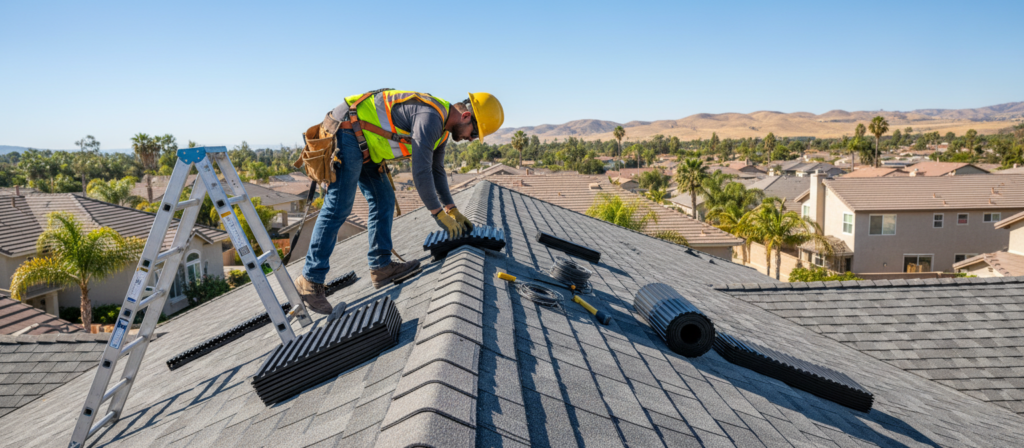
Additional soffit vent installation ranges from $300 to $800 depending on the number of vent sections required. Proper intake ventilation ensures your exhaust system functions effectively.
Complete ventilation system upgrades cost more but provide comprehensive solutions. Expect investments of $1,000 to $2,500 for whole-house ventilation improvements including balanced intake and exhaust.
These costs represent small percentages of your home's value. Compared to premature roof replacement expenses exceeding $10,000, ventilation improvements offer excellent return on investment.
Long-Term Savings
Energy cost reductions begin immediately after ventilation improvements. Homes typically see 15-25% decreases in summer cooling expenses. Over years, these savings offset initial installation costs.
Extended roof lifespan provides additional value. Adding five to ten years to your roof's service life delays major replacement expenses significantly.
Preventing moisture damage avoids expensive structural repairs. Wood rot remediation can cost thousands of dollars. Proper ventilation eliminates this risk entirely.
Home value protection matters for long-term investment security. Well-maintained homes with proper ventilation command premium prices in Hemet's real estate market.
Protect Your Home With Proper Roof Ventilation
Your roof ventilation system works continuously to protect your home from heat damage, moisture problems, and premature aging. In Hemet and San Jacinto's challenging climate, this system faces extreme demands.
The warning signs discussed throughout this article help you identify problems before they escalate. High energy bills, visible damage, moisture stains, mold growth, and premature shingle deterioration all signal ventilation failures requiring attention.
Our intense UV radiation and extreme temperatures make proper ventilation essential rather than optional. Homes lacking adequate airflow suffer accelerated damage and significantly higher operating costs.
Professional assessment provides accurate diagnosis of ventilation problems. Experienced contractors identify specific issues and recommend appropriate solutions tailored to your home's design.
Don't wait for small ventilation problems to become major emergencies. Early intervention prevents expensive repairs and protects your valuable investment.
Take Action Today to Protect Your Home
Outershield Roofing provides expert ventilation solutions designed specifically for Hemet and San Jacinto's unique climate challenges. Our experienced team delivers quality workmanship backed by our commitment to customer satisfaction. Contact us today for your free inspection and discover how proper ventilation can protect your home and reduce your energy costs.
Serving Hemet, San Jacinto, and surrounding communities with professional roofing services you can trust.