
.os-callout{background:#eef6ff;border-left:5px solid #1a56db;padding:18px 20px;border-radius:8px;margin:22px 0;}
.os-callout.green{background:#f0faf3;border-left-color:#16a34a;}
.os-callout.amber{background:#fff8eb;border-left-color:#d97706;}
.os-callout h4{margin:0 0 8px;color:#1a56db;font-size:1.05rem;}
.os-callout.green h4{color:#16a34a;}
.os-callout.amber h4{color:#d97706;}
.os-callout p{margin:0;color:#374151;}
.os-callout ul{margin:8px 0 0;padding-left:20px;color:#374151;}
.os-callout li{margin:5px 0;}
.os-stat-grid{display:grid;grid-template-columns:repeat(auto-fit,minmax(160px,1fr));gap:14px;margin:24px 0;}
.os-stat{background:linear-gradient(135deg,#1a56db,#3b82f6);color:#fff;border-radius:10px;padding:18px;text-align:center;}
.os-stat .num{font-size:2rem;font-weight:800;line-height:1;}
.os-stat .lab{font-size:.85rem;opacity:.95;margin-top:6px;}
.os-bar{margin:14px 0;}
.os-bar .bar-lab{display:flex;justify-content:space-between;font-weight:600;font-size:.9rem;margin-bottom:5px;color:#1f2937;}
.os-bar .track{background:#e5e7eb;border-radius:20px;height:22px;overflow:hidden;}
.os-bar .fill{height:100%;border-radius:20px;display:flex;align-items:center;padding-left:10px;color:#fff;font-size:.8rem;font-weight:700;}
.os-bar .fill.b-blue{background:linear-gradient(90deg,#1a56db,#3b82f6);}
.os-bar .fill.b-green{background:linear-gradient(90deg,#16a34a,#22c55e);}
.os-bar .fill.b-amber{background:linear-gradient(90deg,#d97706,#f59e0b);}
.os-bar .fill.b-red{background:linear-gradient(90deg,#dc2626,#f87171);}
.os-table{width:100%;border-collapse:collapse;margin:22px 0;font-size:.95rem;border-radius:10px;overflow:hidden;box-shadow:0 1px 4px rgba(0,0,0,.08);}
.os-table th{background:#1a56db;color:#fff;padding:12px 14px;text-align:left;}
.os-table td{padding:11px 14px;border-bottom:1px solid #e5e7eb;vertical-align:top;}
.os-table tr:nth-child(even) td{background:#f8fafc;}
.os-table tr:last-child td{border-bottom:none;}
.os-check{background:#fff;border:1px solid #e5e7eb;border-left:5px solid #16a34a;border-radius:8px;padding:16px 18px;margin:18px 0;box-shadow:0 1px 3px rgba(0,0,0,.05);}
.os-check ul{margin:6px 0 0;padding-left:20px;}
.os-check li{margin:6px 0;}
.os-badge{display:inline-block;background:#1a56db;color:#fff;font-size:.72rem;font-weight:700;text-transform:uppercase;letter-spacing:.5px;padding:3px 10px;border-radius:20px;margin-bottom:8px;}
.os-img{border-radius:10px;margin:20px 0;box-shadow:0 4px 14px rgba(0,0,0,.12);}
figure.wp-block-image img{border-radius:10px;}
Tile Roof Underlayment Replacement in Hemet: Repair, Lift-and-Relay, or New Tile?
A tile roof decision should separate the condition of the visible tile from the underlayment, flashing, battens, fasteners, and roof deck underneath.
Tile removed to expose underlayment and battens during an Outer Shield Roofing project.
A tile roof can look healthy from the street and still leak. That is not a contradiction. The tile is the visible weather-shedding surface, but most tile systems rely on underlayment, flashing, valleys, penetrations, and carefully detailed transitions to manage water that reaches the space below the tile. When those concealed components age or were installed incorrectly, replacing a few broken tiles may stop one symptom without correcting the underlying failure.
For Hemet homeowners, this distinction matters because strong sunlight, sustained summer heat, seasonal wind, and occasional wind-driven rain can expose weak details. A responsible inspection should answer three separate questions: Are the tiles reusable? Is the underlayment still dependable? Are the flashing and drainage details integrated correctly? Those answers determine whether the best path is a localized repair, a lift-and-relay project, or complete tile replacement.
What Tile Underlayment Actually Does
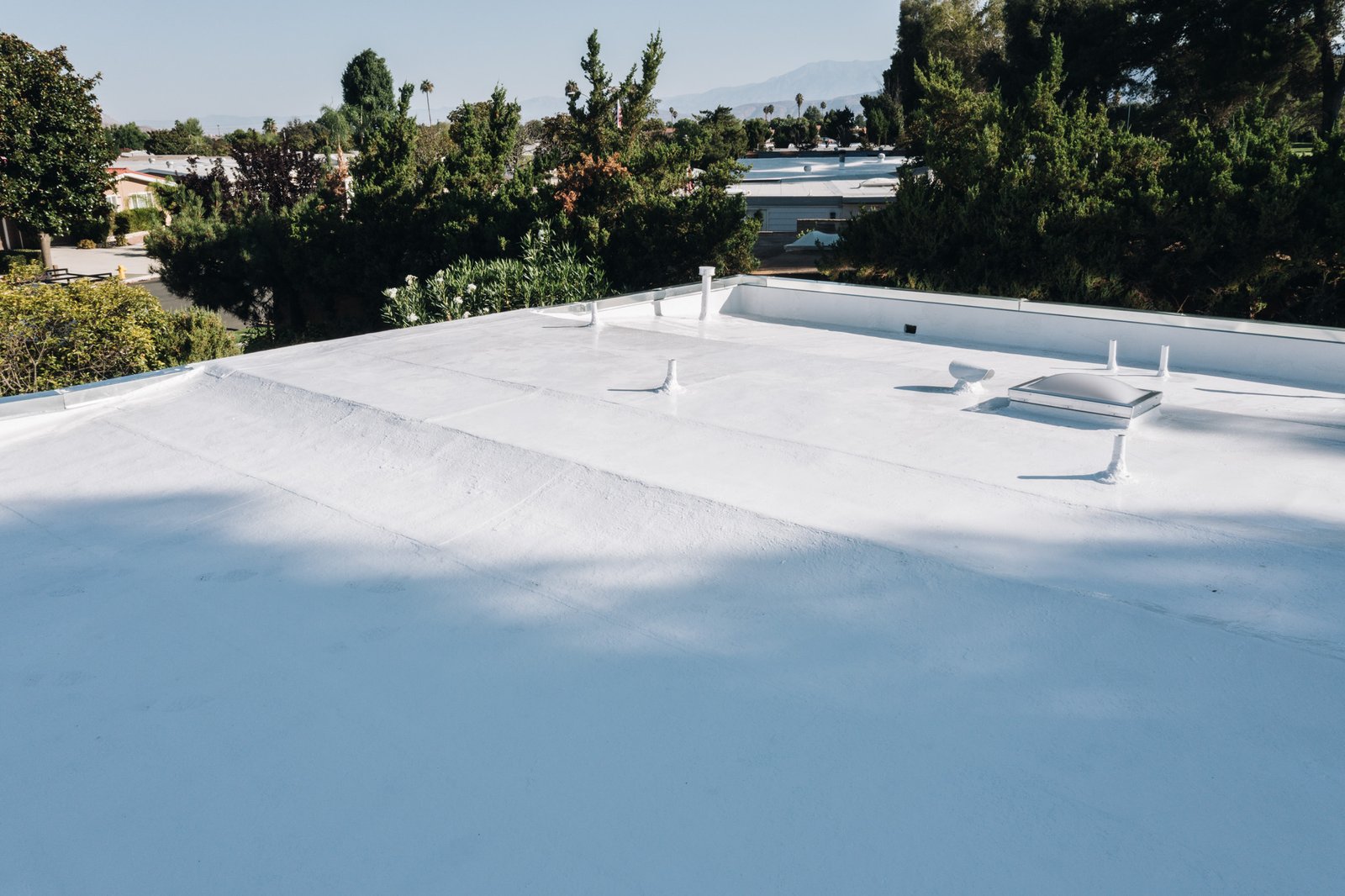
Tile sheds most rainwater, protects lower layers from direct impact, and gives the roof its finished appearance. It is not normally treated as the only waterproof layer. Underlayment creates a secondary drainage plane over the roof deck. Flashing then directs water around walls, valleys, vents, chimneys, skylights, and roof edges. Battens may create space and support the tile layout, while fasteners and attachment methods keep the assembly in place.
Signs the Underlayment May Be Failing
No single symptom proves that the entire underlayment needs replacement. The pattern matters. One broken tile over otherwise sound materials may justify a focused repair. Repeated leaks in unrelated locations, widespread brittleness, or exposed layers that tear during careful tile removal can support a broader recommendation.
- Ceiling stains return after individual tiles or surface sealant were repaired.
- Leaks appear near valleys, walls, penetrations, ridges, or roof transitions rather than beneath one obvious broken tile.
- Multiple tiles have slipped, leaving the underlayment exposed to sunlight and direct weather.
- The roof has several unrelated repair areas or heavy layers of old sealant and patch material.
- Underlayment visible at an edge, valley, or removed tile is dry, brittle, cracked, torn, or no longer flexible.
- The attic shows staining in more than one area or signs that water has traveled along framing.
- Tile work for solar, HVAC, plumbing, or a remodel disturbed older underlayment that could not be integrated reliably.
- A roofer cannot create a durable localized repair because surrounding underlayment tears or breaks apart during access.
Outer Shield Roofing’s concrete tile roof services evaluate the complete assembly, not only the tile that is visible from the ground.
How a Complete Tile Roof Inspection Should Work
A useful inspection documents failure location, drainage path, surrounding condition, and the feasibility of integrating new materials. It should not jump from “there is a leak” to “replace all underlayment” without showing why. Nor should it assume a surface patch is sufficient because the tile looks intact.
Repair, Lift-and-Relay, or Full Tile Replacement?
Choosing the right tile roof approach
| Option | When it fits | Upfront cost |
|---|---|---|
| Repair | Localized leak, sound underlayment | Lowest |
| Lift-and-relay | Underlayment failing, tiles reusable | Moderate |
| Full replacement | Decking damage or tile beyond reuse | Highest |
The right scope depends on the condition of each roof layer. A tile roof does not automatically need new tile because the underlayment is failing. Conversely, reusable tile does not make the underlayment serviceable. The decision matrix below separates those issues.
What Happens During a Tile Lift-and-Relay Project
A lift-and-relay project is more than moving tile out of the way and rolling out new paper. The quality of the finished roof depends on how tile is handled, how the deck is prepared, how flashing is rebuilt, and whether the new underlayment is installed as a connected drainage system.
- Photograph the roof and establish protection plans for landscaping, walls, windows, driveways, and occupied areas.
- Remove tile methodically and stage reusable pieces to reduce breakage and unnecessary replacement.
- Remove deteriorated underlayment, battens, loose fasteners, failed flashing, debris, and incompatible patch materials.
- Inspect the exposed deck and document soft areas, damaged sheathing, previous repairs, and conditions requiring approval.
- Complete authorized deck repairs and prepare a clean, stable surface.
- Install the selected underlayment with required laps, fastening, and sequencing so water is directed toward the roof edge.
- Rebuild valleys, roof-to-wall details, penetrations, pipe flashings, edge metal, and transitions before they are concealed.
- Install battens or other system components where required and relay reusable tile to the correct layout and exposure.
- Replace broken or unsuitable pieces with matching or compatible tile when available.
- Complete ridge and hip details, clean the property, and provide final photos of visible work and key concealed stages.
Tile carefully staged while underlayment and battens are rebuilt during an Outer Shield Roofing project.
The Details That Matter More Than the Brand Name
Homeowners often focus on the underlayment brand or stated warranty. Product selection matters, but installation details usually determine whether the product can perform. Ask how laps, penetrations, valley metal, wall flashing, low-slope transitions, fasteners, and edges will be handled. A premium product installed over a damaged deck or integrated incorrectly at a wall can still leak.
Cost Drivers Homeowners Should Compare
What drives tile underlayment cost
A reliable proposal should explain the conditions that move price. Square footage is only one factor. Roof pitch, access, number of stories, tile profile, staging limitations, valley and wall complexity, deck condition, flashing replacement, solar or mechanical equipment, and the amount of reusable tile can all change labor and material requirements.
- How many roof planes, valleys, hips, ridges, penetrations, and wall intersections must be rebuilt?
- Can tile be staged safely on the property, or will it require more handling and equipment?
- What percentage of tile is expected to be reusable, and how will breakage be measured?
- Is replacement tile readily available, special order, salvaged, or visually different?
- How will hidden deck damage be priced and approved?
- Are solar panels, HVAC equipment, satellite equipment, or patio covers affecting access and transitions?
- Does the scope include permits, debris removal, protection, final cleanup, and documentation?
Before approving a large scope, review Outer Shield Roofing’s questions to ask a roofer before roof replacement and request answers in writing.
Common Tile Roof Repair Mistakes
How Hemet Conditions Affect the Recommendation
Hemet’s inland heat and strong sun increase the importance of keeping underlayment covered and protecting exposed areas during work. Wind can exploit loose ridge pieces, poorly secured perimeter tile, and existing gaps. Sudden rain can then send water beneath tile faster than an aging secondary barrier can manage. Local experience is valuable because the contractor must account for roof type, orientation, surrounding terrain, access, and the way additions or prior repairs changed drainage.
See completed work in the Outer Shield Roofing project gallery and compare projects with a roof profile similar to yours.
Questions to Ask Before Authorizing Underlayment Replacement
- What evidence shows that the problem is widespread rather than isolated?
- How many representative areas were inspected beneath the tile?
- Which tile can be reused, and what makes a tile unsuitable for reuse?
- What underlayment system is proposed, and how will it be integrated at valleys, walls, penetrations, and edges?
- Which flashing components will be replaced rather than covered or reused?
- How will hidden deck damage be documented, priced, and approved?
- How is broken or discontinued tile handled?
- What daily protection is used if the roof remains open overnight?
- What photos will I receive before the tile is reinstalled?
- What workmanship and material warranties apply, and what maintenance is required?
Get a Documented Tile Roof Evaluation
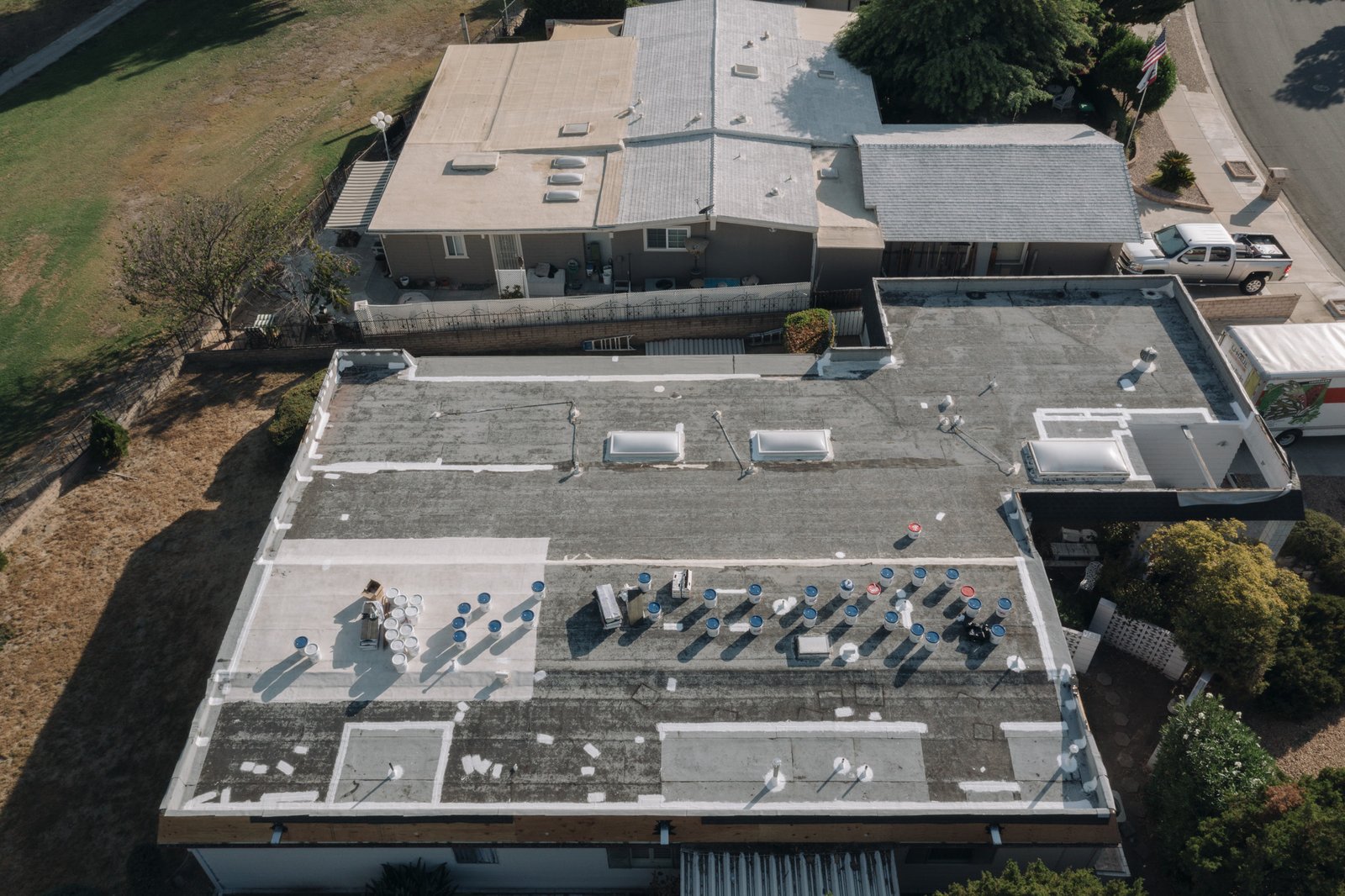
A tile roof deserves a layered diagnosis. Outer Shield Roofing can inspect the visible tile, representative concealed areas when appropriate, drainage details, flashing, and signs of deck or attic moisture. Start with a local tile roof underlayment replacement Hemet evaluation that explains what can be preserved and what must be rebuilt.
For an active leak, review the team’s roof leak repair guidance or contact Outer Shield Roofing to request a documented inspection.
- Underlayment type & brand specified in writing
- Flashing & vent replacement included or quoted separately
- Tile breakage allowance for brittle concurrent tiles
- Decking repair allowance if rotted decking is found
- Warranty on both materials and workmanship
What Hemet Homeowners Should Know
Hemet’s intense summer heat is the defining factor for tile roof underlayment. Prolonged UV exposure and high attic temperatures break down felt and synthetic underlayment faster than in cooler climates, often while the tile on top still looks fine. That is why many Hemet tile roofs develop leaks even when the visible tiles appear intact.
Hemet tile-underlayment questions
- Ask which underlayment suits Hemet heat — not all are equal
- Verify flashing and vents get attention too during the re-roof
- Confirm tile reuse plans and a breakage allowance
- Get a documented evaluation before authorizing work
Published with Local Expertise
This guide was prepared by Outer Shield Roofing, a licensed, insured roofing contractor serving Hemet and the surrounding area. The recommendations reflect real conditions we see on Hemet-area roofs. We follow California contractor licensing requirements and recommend every homeowner independently verify a contractor’s license and insurance before starting work.
Last reviewed: August 2026. If you have a roof in need of attention in Hemet, East Hemet, Valle Vista, and San Jacinto, contact Outer Shield Roofing for a detailed inspection and written estimate.
Frequently Asked Questions
Can tile be reused when underlayment is replaced?
Often, yes. Reuse depends on tile condition, profile, fastening, handling risk, and availability of replacement pieces. A contractor should identify the expected reusable percentage and explain how breakage will be handled.
Does one leak mean all underlayment has failed?
No. One leak can result from a localized flashing, penetration, valley, or tile defect. A broader scope should be supported by evidence of widespread deterioration or an inability to integrate a durable local repair.
Why does a tile roof leak when the tiles look fine?
Water may be entering at flashing, valleys, penetrations, roof-to-wall joints, or deteriorated underlayment. The visible stain may also be far from the entry point.
What is the difference between lift-and-relay and reroofing with new tile?
Lift-and-relay preserves reusable tile while rebuilding underlayment and related components. A full tile replacement installs new tile because the existing covering is not suitable or practical to reuse.
Should all flashing be replaced during underlayment work?
The scope should identify which flashing is serviceable and which must be replaced. Because flashing is exposed during the project, reusing visibly failed or poorly integrated components can preserve the original problem.
How can I compare two underlayment proposals?
Compare deck preparation, product and layers, flashing, valleys, battens, tile handling, broken-tile allowance, hidden-damage pricing, permits, protection, cleanup, and photo documentation—not only the total price.
Sources and Further Reading
- Tile Roofing Industry Alliance technical resources
- California Contractors State License Board license check
- Outer Shield Roofing concrete tile roof services
{
“@context”: “https://schema.org”,
“@graph”: [
{
“@type”: “Article”,
“headline”: “Tile Roof Underlayment Replacement in Hemet: Repair, Lift-and-Relay, or Full Replacement”,
“description”: “Tile roof underlayment is the real waterproofing layer. Learn when it fails in Hemet, lift-and-relay vs full replacement, costs, and key questions.”,
“inLanguage”: “en-US”,
“image”: “https://outershieldroofingcorp.com/wp-content/uploads/2025/09/Hemet-After-04.jpg”,
“publisher”: {
“@type”: “Organization”,
“name”: “Outer Shield Roofing”,
“url”: “https://outershieldroofingcorp.com”
},
“author”: {
“@type”: “Organization”,
“name”: “Outer Shield Roofing”
},
“datePublished”: “2026-08-04”,
“dateModified”: “2026-08-04”
},
{
“@type”: “BreadcrumbList”,
“itemListElement”: [
{
“@type”: “ListItem”,
“position”: 1,
“name”: “Home”,
“item”: “https://outershieldroofingcorp.com/”
},
{
“@type”: “ListItem”,
“position”: 2,
“name”: “Tile Roof Underlayment Replacement in Hemet: Repair, Lift-and-Relay, or Full Replacement”,
“item”: “https://outershieldroofingcorp.com/tile-roof-underlayment-replacement-hemet/”
}
]
},
{
“@type”: “LocalBusiness”,
“@id”: “https://outershieldroofingcorp.com/#business”,
“name”: “Outer Shield Roofing”,
“url”: “https://outershieldroofingcorp.com”,
“image”: “https://outershieldroofingcorp.com/wp-content/uploads/2025/09/Hemet-After-04.jpg”,
“priceRange”: “$$”,
“areaServed”: [
“Hemet”,
“San Jacinto”,
“East Hemet”,
“Valle Vista”,
“Winchester”
],
“knowsAbout”: [
“Tile roofing”,
“Underlayment replacement”,
“Roof repair”,
“Roof inspection”
]
},
{
“@type”: “FAQPage”,
“mainEntity”: [
{
“@type”: “Question”,
“name”: “Can tile be reused when underlayment is replaced?”,
“acceptedAnswer”: {
“@type”: “Answer”,
“text”: “Often yes. Lift-and-relay removes tiles carefully, replaces failing underlayment, and reinstalls the tiles. Breakage, brittle tiles, or heavy damage may require new tile.”
}
},
{
“@type”: “Question”,
“name”: “Does one leak mean all underlayment has failed?”,
“acceptedAnswer”: {
“@type”: “Answer”,
“text”: “Not necessarily, but it signals the underlayment is aging. One localized leak can be repaired; widespread failures point to lift-and-relay or replacement.”
}
},
{
“@type”: “Question”,
“name”: “Why does a tile roof leak when the tiles look fine?”,
“acceptedAnswer”: {
“@type”: “Answer”,
“text”: “Because tiles shed water but are not waterproof. The underlayment is the barrier. If it is failing, leaks can appear even with perfect-looking tiles.”
}
},
{
“@type”: “Question”,
“name”: “What is the difference between lift-and-relay and full tile replacement?”,
“acceptedAnswer”: {
“@type”: “Answer”,
“text”: “Lift-and-relay keeps and reinstalls existing tiles over new underlayment. Full replacement uses new tile, usually when decking is damaged or tile cannot be reused.”
}
},
{
“@type”: “Question”,
“name”: “Should all flashing be replaced during underlayment work?”,
“acceptedAnswer”: {
“@type”: “Answer”,
“text”: “It is strongly recommended. Flashing has a similar lifespan and is a common leak point, so doing it during a lift-and-relay avoids reopening the roof later.”
}
},
{
“@type”: “Question”,
“name”: “How can I compare two underlayment proposals?”,
“acceptedAnswer”: {
“@type”: “Answer”,
“text”: “Compare underlayment type, flashing and vent scope, breakage allowances, decking provisions, warranty, and payment milestones — not just the total price.”
}
}
]
}
]
}