
How to Choose the Best Roofing Contractor in Hemet, CA
A practical way to compare roofers before you sign a contract, approve a repair, or commit to a complete roof replacement.
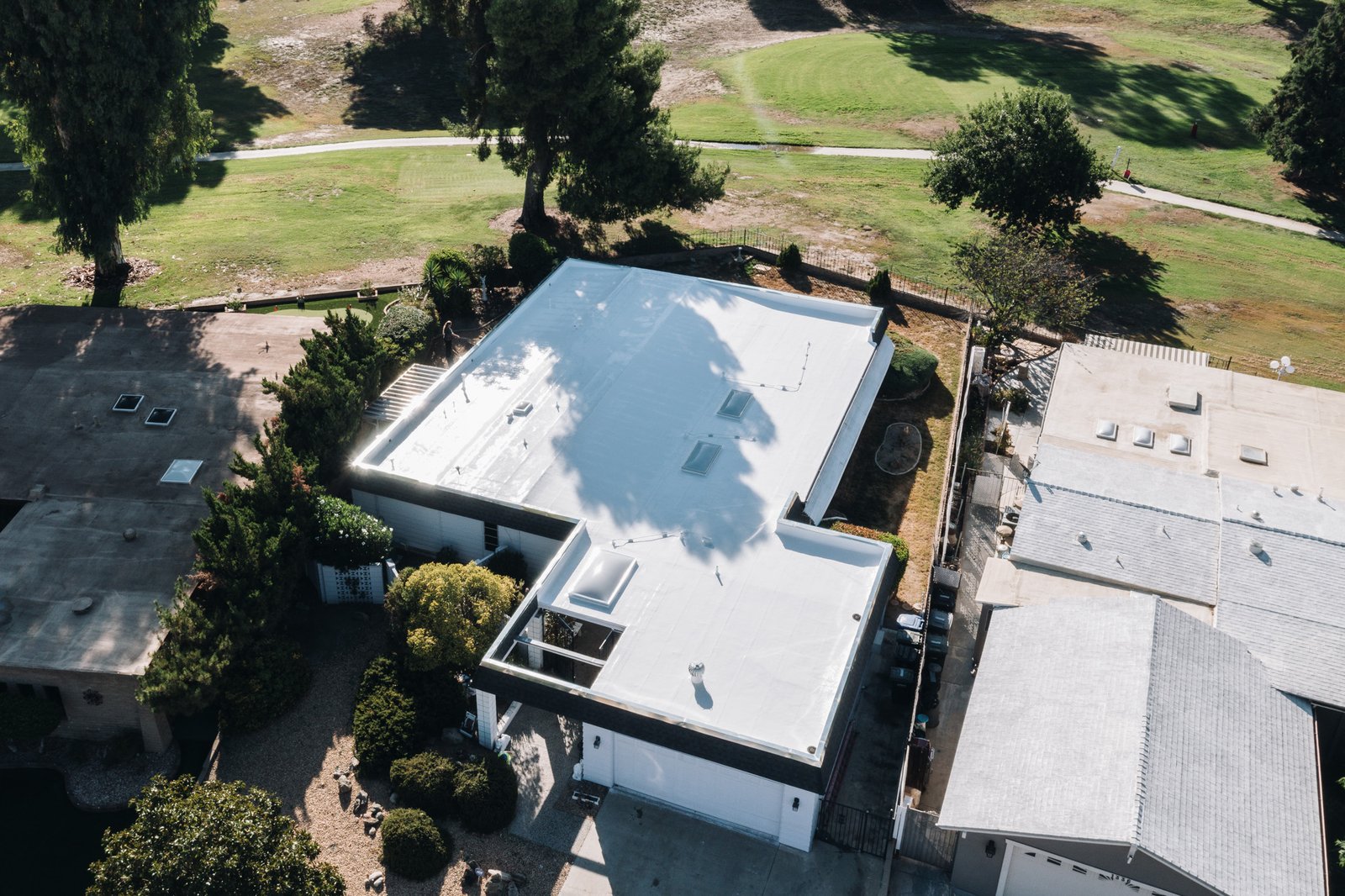
Completed tile roofing photographed during an Outer Shield Roofing project.
Choosing a roofer is difficult because most estimates look similar until you examine what is actually included. One proposal may cover only the visible roofing material. Another may address underlayment, flashings, ventilation, deteriorated decking, penetrations, permits, disposal, and final inspection. Those are not small differences. They determine how the roof performs after the crew leaves.
For Hemet homeowners, the right starting point is not “Who is cheapest?” It is “Which contractor has produced the clearest diagnosis and the most complete plan?” Outer Shield Roofing uses photos, videos, written options, and direct explanations so the homeowner can see the problem before deciding how to solve it.
Start With Verification, Not Reviews Alone
Why verification matters more than reviews
Reviews show communication and workmanship, but they do not prove a contractor is licensed, bonded, and insured. The CSLB license lookup is the only independent check that confirms a valid California contractor license.
Online reviews help you understand communication and workmanship, but reviews do not replace license verification. California homeowners can use the CSLB license lookup to confirm the business name, license status, classifications, bond information, and workers’ compensation information shown in the state record.
- Ask for the exact license number and verify it independently rather than relying on a screenshot.
- Confirm the business name on the proposal matches the licensed entity.
- Review the classification. Roofing-only work normally calls for the appropriate roofing classification.
- Ask for proof of insurance and confirm how property damage, injuries, and subcontractors are handled.
- Check whether the contractor pulls permits when permits are required for the scope.
Judge the Inspection Before You Judge the Estimate
What a thorough Hemet roof inspection should cover
A weak estimate often begins with a weak inspection. A contractor who spends only a few minutes looking from the driveway cannot reliably evaluate valleys, wall transitions, pipe flashings, ridge details, previous patches, low-slope tie-ins, drainage, or the attic. A complete inspection does not guarantee that every hidden condition will be visible, but it reduces avoidable surprises.
Outer Shield Roofing customers repeatedly describe a process in which Alejandro documents conditions, explains what is wrong, and presents more than one solution. That is the level of clarity homeowners should expect from a roofing contractor in Hemet before signing a contract.
Compare the Scope Line by Line
Reading an estimate: what the line items actually mean
| Estimate item | Why it matters | Ask the contractor |
|---|---|---|
| Underlayment | Protects decking before the visible material goes on | What type? Single or double layer? |
| Flashing | Waterproofs valleys, walls, and penetrations | Is flashing included at every transition? |
| Decking repairs | Rotted or damaged decking must be replaced | Is decking priced per sheet if needed? |
| Ventilation | Prevents attic heat and moisture buildup | Are ridge and soffit vents included? |
| Permits | Required for many roof replacements | Who pulls the permit and schedules inspection? |
| Disposal & cleanup | Old roof removal and site cleanup | Is tear-off and haul-away included in the price? |
The total price does not tell you whether two contractors are proposing the same roof. Request a line-by-line scope and compare each item. The questions to ask a roofer before roof replacement should be answered in writing whenever the answer changes cost, performance, or warranty coverage.
Underlayment, battens, flashing, and deck preparation are part of the roofing system—not optional details hidden beneath the finished surface.
Make the Contractor Explain the “Why”
A proposal becomes useful when the contractor can connect each recommendation to an observed condition. “You need a new roof” is not a diagnosis. A better explanation sounds like this: the roof has recurring leaks in separate areas, the underlayment is brittle, several flashings have been patched, matching material is unavailable, and the remaining system has limited service life. That explanation gives the homeowner a decision framework.
- What specifically failed?
- How was the failure confirmed?
- Can the problem be repaired without disturbing sound areas?
- What is the likely service life of the repair?
- What could remain hidden until tear-off?
- What options were considered and rejected?
- What would make the recommendation change?
A contractor should also be able to explain when a repair is the responsible choice. Review Outer Shield Roofing’s 2026 roof replacement guide to understand why age alone is not enough to decide whether replacement is necessary.
Look for Evidence of Local Roofing Experience
Hemet roofs experience prolonged heat, strong sunlight, seasonal wind, sudden rain, and wide roof-surface temperature swings. The local housing stock also includes asphalt shingles, concrete tile, low-slope additions, solar installations, rooftop equipment, and older repairs. A contractor who works in the area should recognize how these conditions affect sealant, underlayment, fasteners, flashing, ventilation, and material matching.
Ask to see projects with a roof type and complexity similar to yours. A clean portfolio should show more than finished curb appeal. It should include preparation, problem areas, flashing, underlayment, decking repairs, ventilation details, and cleanup. You can view completed Outer Shield Roofing projects to see the types of tile and shingle systems the company works on.
Evaluate Communication Before the Project Starts
The estimate process is a preview of the construction process. If calls are not returned, the scope changes verbally, or questions receive vague answers before a deposit, communication rarely improves after tear-off. Strong roofing companies establish who the homeowner contacts, who supervises the crew, how daily updates are delivered, and how unexpected conditions are approved.
Do Not Confuse the Lowest Bid With the Lowest Cost
A low proposal may be legitimate if the contractor has lower overhead or a simpler solution. It may also omit work that appears later as a change order, reuse components another contractor planned to replace, or specify a lower-tier system. Compare the cost over the expected service life, not only the amount due this month.
A 10-Minute Final Check Before You Sign
- Verify the license, business name, classifications, bond, and workers’ compensation information.
- Confirm the proposal identifies the exact roof areas and every material system included.
- Ask how decking, flashing, ventilation, permits, disposal, and cleanup are handled.
- Read workmanship and manufacturer warranty terms instead of relying on the summary.
- Confirm payment milestones and change-order authorization in writing.
- Review current local projects and customer feedback for work similar to yours.
- Make sure you understand which items are required now, which are preventive, and which can wait.
- Keep copies of the proposal, contract, product data, permits, inspection results, photos, and warranty registration.
- License — verified independently on CSLB
- Insurance — liability + workers’ comp requested
- Scope — every roof area and material listed
- Warranty — manufacturer + workmanship terms in writing
- Permits — confirmed who pulls and who inspects
- Payments — milestones and change orders documented
Why Hemet Homeowners Choose Outer Shield Roofing
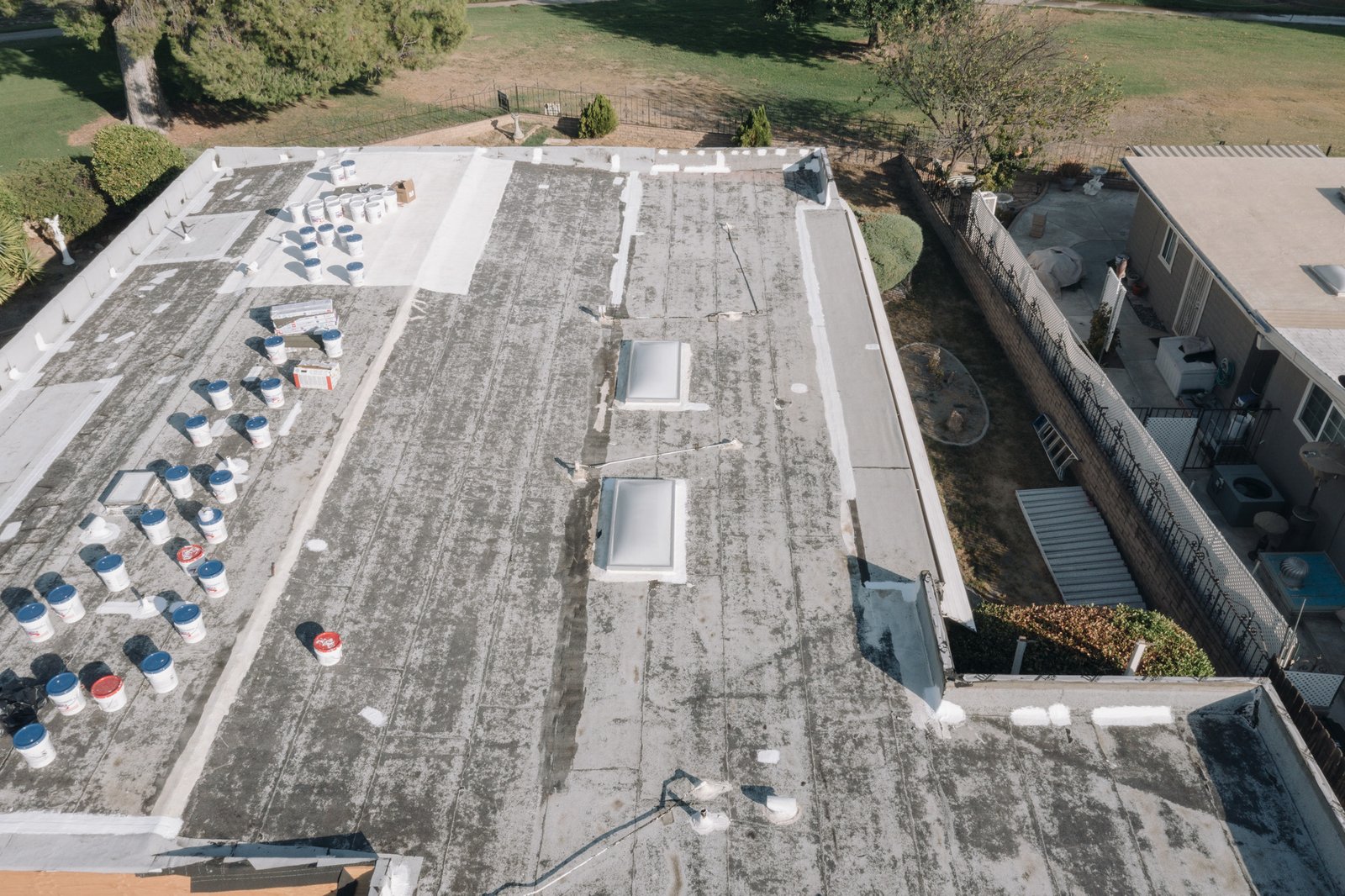
Outer Shield Roofing is a family-run roofing company serving Hemet and surrounding communities. The company’s customer feedback consistently emphasizes thorough inspections, photo and video documentation, options explained without pressure, owner involvement, organized crews, daily communication, and careful cleanup. Those are not marketing extras. They are the operating practices that reduce confusion and protect the homeowner during a major project.
Schedule a detailed roofing inspection with Outer Shield Roofing and bring your existing estimate if you want an apples-to-apples comparison.
What Hemet Homeowners Should Know Before Hiring a Roofer
Hemet sits at the western edge of the San Jacinto Valley, where summer temperatures regularly reach triple digits and Santa Ana winds can drive dust and debris across the valley floor. Those conditions affect roofing in ways a generalist contractor may not plan for. Heat accelerates shingle granule loss, UV exposure breaks down sealant and flashing, and wind can lift edges when flashing or underlayment work is thin.
When you compare roofers in Hemet, ask whether the contractor has active projects and references in nearby communities such as East Hemet, Valle Vista, Winchester, and San Jacinto. Local crews understand the permit process with the City of Hemet and Riverside County, know which materials hold up in the valley climate, and can respond faster when a repair can’t wait.
Hemet-specific questions to ask
- Verify the CSLB license on the California Contractors State License Board website.
- Ask about Hemet and Riverside County permit requirements — many roof replacements need a permit and inspection.
- Look for recent local projects you can verify, ideally with references from East Hemet or Valle Vista.
- Confirm workers’ comp and liability insurance cover a crew working in summer heat.
- Get the plan in writing — materials, underlayment, flashing, ventilation, disposal, and milestones.
Published with Local Expertise
This guide was prepared by Outer Shield Roofing, a licensed, insured roofing contractor serving Hemet and the San Jacinto Valley. The recommendations reflect real conditions we see on Hemet-area roofs — prolonged heat, UV exposure, seasonal wind, and the importance of a written, documented scope. We follow California contractor licensing requirements and recommend every homeowner independently verify a contractor’s license and insurance before starting work.
Last reviewed: August 2026. If you have a roof in need of inspection in Hemet, East Hemet, Valle Vista, or San Jacinto, contact Outer Shield Roofing for a detailed inspection and written estimate.
Frequently Asked Questions
How many roofing estimates should I get?
Three written estimates are a practical starting point, provided each contractor inspects the same roof areas and receives the same project goals. More bids do not automatically improve the decision if the scopes are vague or materially different.
Should I hire a roofer who offers the longest warranty?
Not without reading the terms. Separate the manufacturer’s material warranty from the contractor’s workmanship warranty. Confirm registration requirements, exclusions, transferability, maintenance obligations, and the process for making a claim.
What is the biggest red flag when choosing a roofer?
The biggest red flag is an inability or unwillingness to document the recommendation. High-pressure sales tactics, an unverified license, large upfront payments, vague material descriptions, missing decking prices, and no written change-order process are additional reasons to pause.
Can a good roofer tell whether I need repair or replacement from photos?
Photos can support an initial conversation, but they rarely replace an on-site evaluation. The decision may depend on roof age, underlayment, flashing, decking, attic evidence, material availability, prior repairs, and damage distribution.
Sources and Standards Referenced
- California CSLB: Finding the Right Contractor — California homeowner guidance on licensing, bids, insurance, references, and written contracts.
- California CSLB License Lookup — Official contractor-license verification tool.
- Tile Roofing Industry Alliance Technical Briefs — Industry technical guidance covering tile roofing, flashings, underlayments, and code-related topics.
Editorial note: Sources support general guidance. Final recommendations should be based on an on-site inspection, the roof system, manufacturer instructions, and applicable local requirements.