
Your roof takes a beating every single day in Hemet and San Jacinto. With summer temperatures regularly soaring above 100°F and a UV Index that hits extreme levels from May through September, your roofing system works overtime to protect your home. But here's the challenge: that same roof might be driving your energy bills through the ceiling.
You've probably noticed your air conditioning running constantly during those scorching summer months. Your energy bills spike. Your home never quite feels comfortable. And you start wondering whether there's a better solution.
Energy efficient roofing isn't just about staying cool. It's about protecting your investment, reducing your monthly expenses, and creating a more comfortable home environment that can withstand our region's intense climate challenges.
Understanding Hemet's Brutal Climate Challenge for Your Roof
Hemet sits in a unique climate zone that creates extraordinary challenges for roofing materials. Your home faces conditions that roofs in cooler regions never experience. Understanding these challenges helps you appreciate why energy efficiency matters so much here.
Summer temperatures in Hemet regularly reach 95°F to 105°F from June through September. But your roof surface experiences something far more extreme. While the air temperature might read 100°F, your roof surface can reach temperatures between 150°F and 190°F depending on the roofing material and color.
The UV Index in our region tells an even more concerning story. During peak summer months, Hemet experiences UV Index readings of 10 or higher, classified as “extreme” by the Environmental Protection Agency. This intense ultraviolet radiation doesn't just affect your skin. It systematically breaks down roofing materials, causing premature aging, cracking, and failure.
How Desert Heat Destroys Traditional Roofing Materials
Traditional asphalt shingles face significant challenges in our climate. Dark-colored asphalt shingles can reach surface temperatures exceeding 170°F on a typical summer afternoon. This extreme heat causes the asphalt to soften, the granules to loosen, and the shingles to become brittle over time.
The temperature fluctuations create another problem. When the sun sets, your roof surface might cool 50-60 degrees within a few hours. This constant expansion and contraction cycle stresses roofing materials, creating micro-cracks that eventually become major problems.
Humidity levels in Hemet average around 30-40% during summer months, but overnight condensation can create moisture problems in poorly ventilated attic spaces. When combined with extreme heat, this moisture accelerates deterioration and can promote mold growth in your attic space.
The Energy Cost of an Inefficient Roof in Hemet
Your cooling costs represent one of your largest monthly expenses during Hemet's extended summer season. An inefficient roof transfers massive amounts of heat into your attic space, which then radiates down into your living areas.
Local homeowners report summer electricity bills ranging from $250 to $450 per month, with air conditioning representing 60-70% of that cost. When your roof absorbs and transfers heat rather than reflecting it, your air conditioning system runs continuously just to maintain comfortable indoor temperatures.
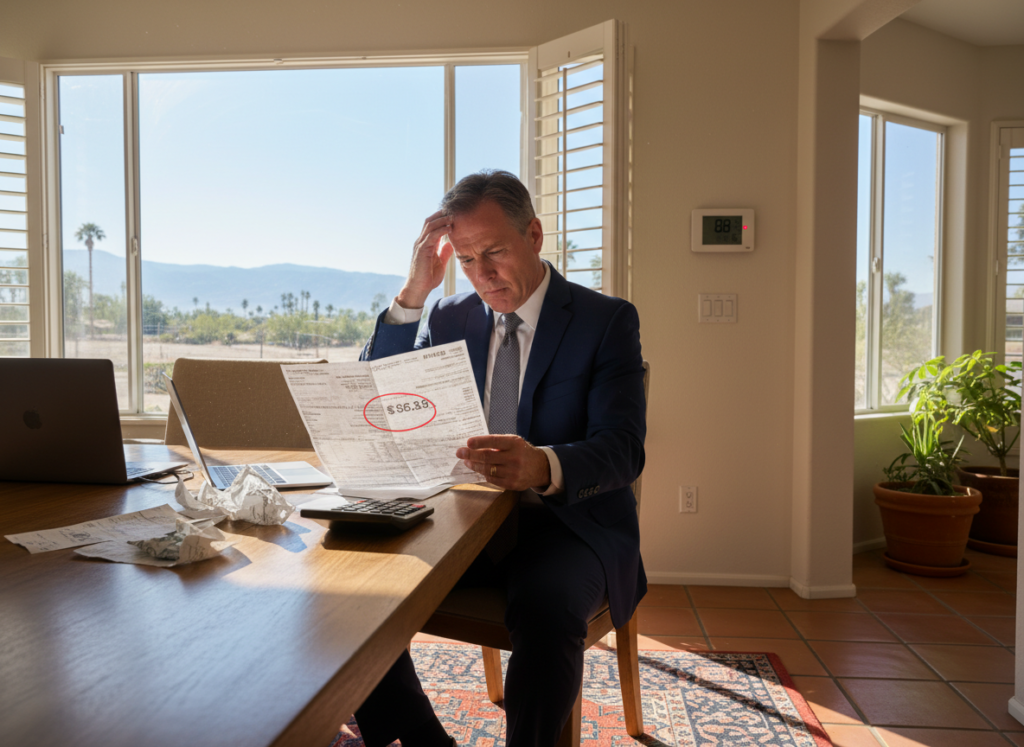
Your HVAC system bears the brunt of this inefficiency. When your air conditioner works harder to overcome heat transfer from your roof, it experiences increased wear and tear. Components fail sooner. Maintenance costs rise. And you face the prospect of premature system replacement that can cost $8,000 to $15,000.
Protect Your Home from Hemet's Extreme Climate
Your roof faces unique challenges in our desert environment. Our team understands exactly how Hemet's heat, UV exposure, and temperature swings affect roofing materials. We'll help you choose solutions that protect your home and reduce your energy costs.
What Makes a Roof Energy Efficient in Desert Climates
Energy efficiency in roofing involves multiple factors working together to reduce heat transfer into your home. You need to understand these components to make informed decisions about your roofing investment.
Solar Reflectance: The First Line of Defense
Solar reflectance measures how effectively a roofing material reflects sunlight rather than absorbing it. This property makes an enormous difference in roof surface temperatures and heat transfer into your attic space.
Dark-colored traditional asphalt shingles might have a solar reflectance rating of just 5-15%, meaning they absorb 85-95% of the sun's energy. In contrast, energy-efficient roofing materials can achieve solar reflectance ratings of 50-85%, dramatically reducing heat absorption.
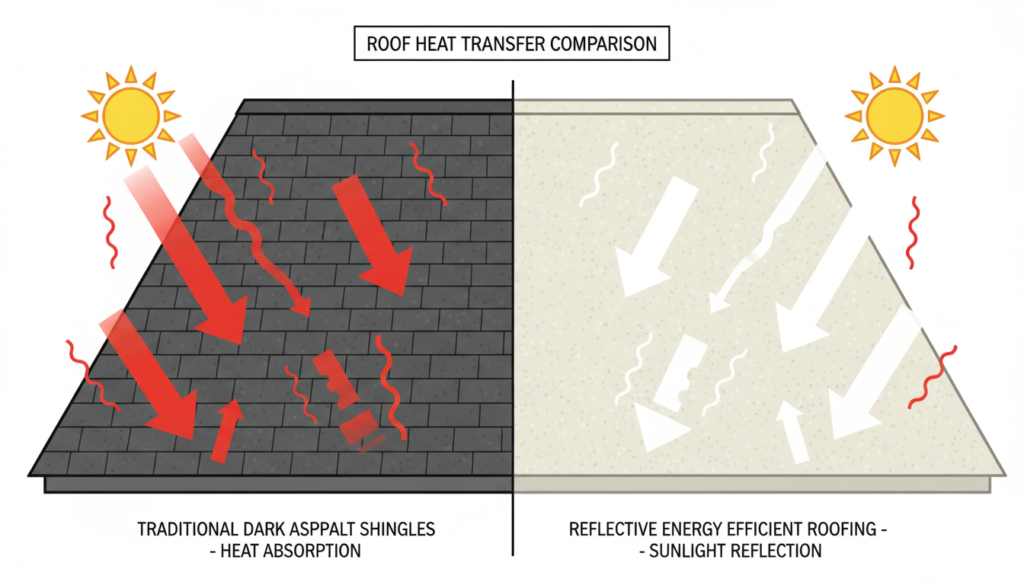
Cool roofing technology uses specially formulated pigments that reflect infrared radiation while maintaining color appeal. You can now choose darker colors that still provide excellent solar reflectance, giving you aesthetic options without sacrificing energy efficiency.
Metal roofing systems excel at solar reflectance, especially when coated with specialized reflective finishes. Metal roofs can reflect 60-70% of solar energy, and when combined with proper ventilation, they create an effective barrier against heat transfer.
Thermal Emittance: Releasing Heat Quickly
Thermal emittance measures how effectively a roofing material releases absorbed heat. Even materials that absorb some solar energy can minimize heat transfer if they release that heat quickly rather than holding it.
High thermal emittance ratings (0.75 or higher on a scale of 0 to 1) indicate materials that release heat efficiently. This property becomes especially important during Hemet's hot afternoons when roof surface temperatures peak.
Energy-efficient roofing materials combine high solar reflectance with high thermal emittance to create maximum cooling benefits. This combination keeps roof surface temperatures lower throughout the day and allows rapid cooling when the sun sets.
Proper Ventilation: The Hidden Energy Saver
Roof ventilation plays a critical role in energy efficiency that homeowners often overlook. Proper ventilation allows hot air to escape from your attic space while drawing in cooler outside air, creating continuous airflow that prevents heat buildup.
Inadequate ventilation traps hot air in your attic, where temperatures can exceed 150°F during summer afternoons. This superheated air radiates down through your ceiling insulation, forcing your air conditioning to work harder to maintain comfortable indoor temperatures.
Effective roof ventilation systems include both intake vents (typically at the eaves or soffits) and exhaust vents (at or near the roof ridge). This balanced system creates natural airflow that continuously removes hot air from your attic space.
Modern roofing installations should include adequate ventilation based on your attic square footage. The general rule calls for one square foot of ventilation for every 150 square feet of attic space, split evenly between intake and exhaust.
Insulation and Radiant Barriers
While not part of the roof itself, attic insulation and radiant barriers work with your roofing system to maximize energy efficiency. These components create additional barriers against heat transfer into your living spaces.
Radiant barriers consist of reflective materials installed in your attic space that reflect radiant heat rather than allowing it to pass through to your ceiling insulation. In Hemet's climate, radiant barriers can reduce attic heat gain by 30-40%.
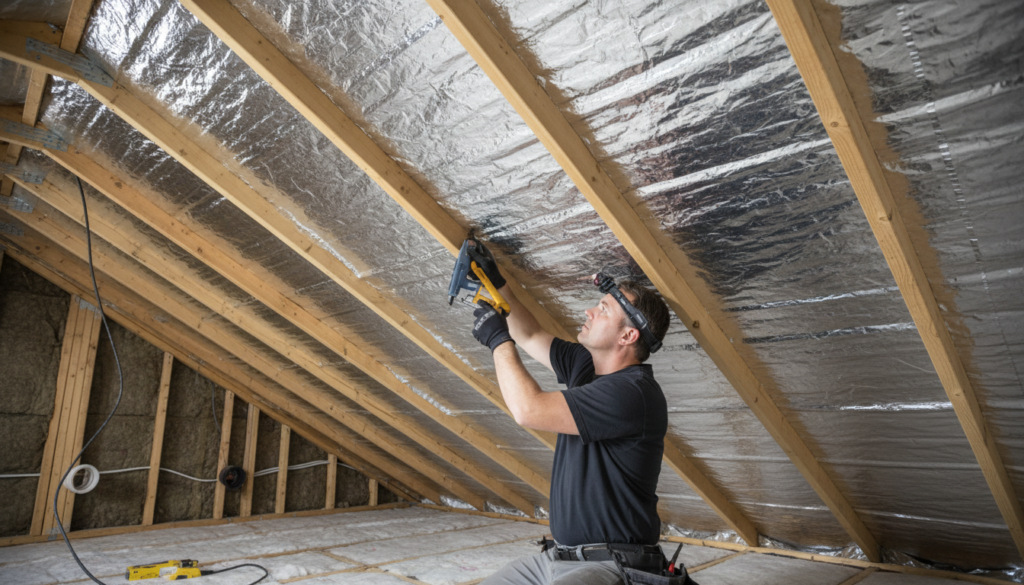
Adequate attic insulation (R-30 to R-49 in our climate zone) works with your roofing system and radiant barriers to create a comprehensive thermal envelope. This multi-layer approach delivers maximum energy efficiency and comfort.
Top Energy Efficient Roofing Materials for Hemet Homes
Choosing the right roofing material for Hemet's climate requires balancing energy efficiency, durability, aesthetics, and cost. Different materials offer distinct advantages for desert climate performance.
Cool Asphalt Shingles: Improved Traditional Options
Modern cool asphalt shingles represent a significant improvement over traditional options. Manufacturers now produce asphalt shingles with specially formulated granules that reflect more sunlight while maintaining color stability.
Cool asphalt shingles can reduce roof surface temperatures by 20-30°F compared to traditional dark shingles. This temperature reduction translates to measurable decreases in cooling costs and extended shingle lifespan in our harsh climate.
Advantages of Cool Asphalt Shingles
- Lower initial cost compared to other energy-efficient options
- Wide variety of colors and styles available
- Familiar installation for most roofing contractors
- Measurable energy savings over traditional shingles
- Improved lifespan in hot climates
Limitations to Consider
- Shorter lifespan than metal or tile options
- More susceptible to UV damage than alternatives
- Requires eventual replacement (typically 15-25 years)
- Not as energy-efficient as metal or tile systems
Metal Roofing: Superior Energy Performance
Metal roofing systems deliver exceptional energy efficiency in Hemet's climate. Metal roofs reflect solar radiation effectively, release absorbed heat quickly, and create natural ventilation opportunities that enhance overall roof performance.
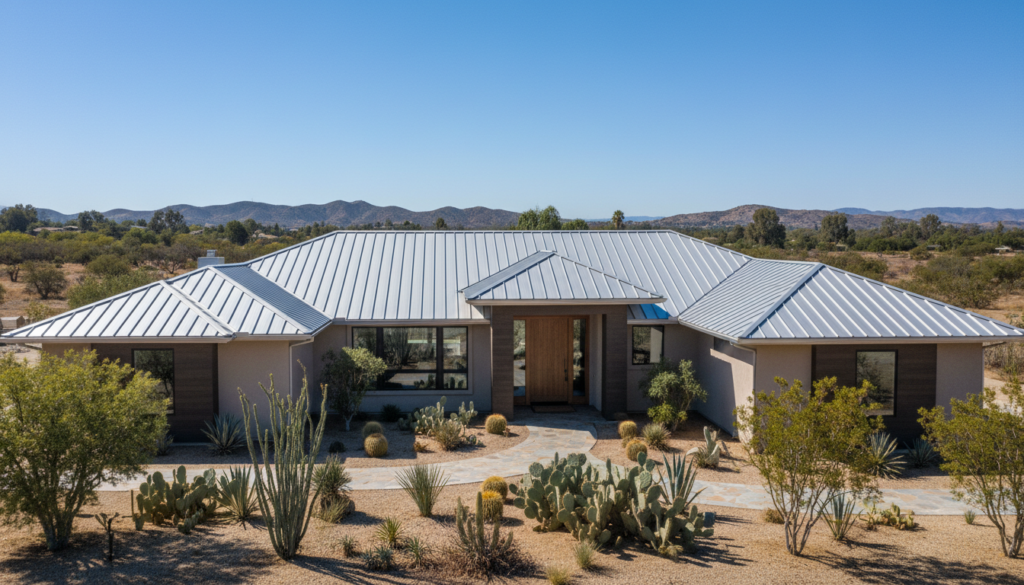
Standing seam metal roofs perform particularly well in our region. The raised seams create air channels beneath the metal panels, allowing heat to escape and preventing direct contact between the hot metal surface and the roof deck below.
Metal roofing materials typically feature specialized coatings that enhance solar reflectance. These coatings can boost reflectance to 60-70% or higher, dramatically reducing heat absorption compared to traditional roofing materials.
The longevity of metal roofing systems provides additional value. Quality metal roofs can last 40-70 years in our climate, far exceeding the lifespan of asphalt shingles. This durability means fewer replacement cycles and lower long-term costs.
Metal Roof Energy Benefits
- Can reduce cooling costs by 20-30% compared to traditional asphalt shingles
- Reflects 60-70% of solar radiation with proper coatings
- Natural ventilation properties help maintain lower attic temperatures
- Extremely durable in high UV environments like Hemet
- Recyclable at end of service life, supporting sustainability
- Qualifies for energy efficiency rebates and incentives
Clay and Concrete Tile: Desert-Proven Performance
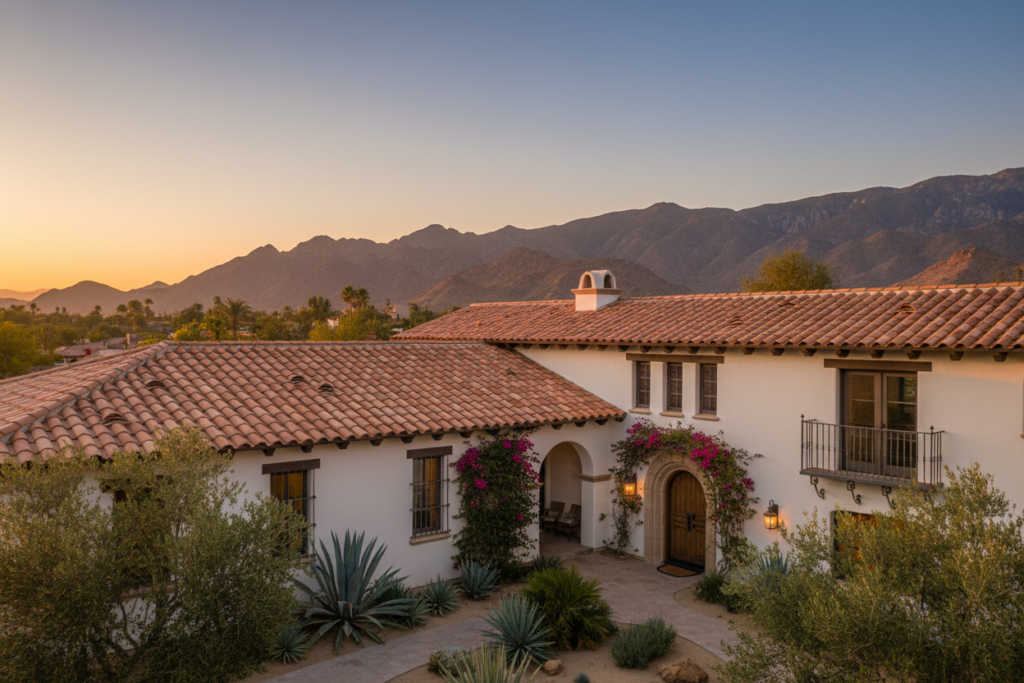
Tile roofing has proven itself in desert climates for centuries. Clay and concrete tiles provide natural energy efficiency through their thermal mass properties and ventilation capabilities.
Tile roofs create natural air spaces between the tiles and the roof deck. This ventilation channel allows hot air to escape continuously, preventing heat buildup that occurs with flat roofing materials installed directly against the deck.
The thermal mass of tile materials helps moderate temperature fluctuations. Tiles absorb heat slowly during the day and release it gradually, reducing peak heat transfer into your attic space.
Light-colored concrete tiles can be manufactured with reflective pigments that enhance solar reflectance while maintaining aesthetic appeal. These products combine traditional appearance with modern energy efficiency technology.
Tile roofing systems typically last 50-100 years in our climate, making them an excellent long-term investment despite higher initial costs. This exceptional longevity reduces lifecycle costs and eliminates multiple replacement cycles.
Comparing Energy-Efficient Roofing Material Performance
| Roofing Material | Solar Reflectance | Expected Lifespan (Hemet Climate) | Cooling Cost Reduction | Initial Cost Range |
| Traditional Asphalt Shingles | 5-15% | 12-18 years | Baseline | $3.50-$5.50/sq ft |
| Cool Asphalt Shingles | 25-40% | 15-25 years | 10-15% | $4.00-$6.50/sq ft |
| Metal Roofing | 60-70% | 40-70 years | 20-30% | $7.00-$14.00/sq ft |
| Concrete Tile | 30-50% | 50-75 years | 15-25% | $8.00-$15.00/sq ft |
| Clay Tile | 30-50% | 75-100 years | 18-28% | $10.00-$18.00/sq ft |
Calculating the Real ROI of Energy Efficient Roofing
Understanding the return on investment for energy efficient roofing requires examining multiple financial factors beyond just energy savings. Your roof investment affects your finances in several important ways.
Direct Energy Savings in Hemet's Climate
Energy cost reduction represents the most immediate and measurable benefit of energy efficient roofing. In Hemet's climate, where cooling costs dominate your summer energy bills, these savings add up quickly.

Consider a typical Hemet home with 2,000 square feet of living space. During summer months (May through September), this home might spend $350 per month on electricity, with approximately 65% ($227) going to cooling costs.
An energy efficient metal roof could reduce cooling costs by 25%, saving approximately $57 per month during the cooling season. Over five months, that amounts to $285 in annual savings. Over a 20-year period, you would save $5,700 in cooling costs alone.
A more modest cool asphalt shingle roof might reduce cooling costs by 12%, saving approximately $27 per month during summer. This translates to $135 annually or $2,700 over 20 years.
These calculations assume current energy rates. However, electricity costs typically increase 3-5% annually. Your actual long-term savings will likely exceed these conservative estimates as energy prices rise over time.
Extended HVAC System Lifespan
Your air conditioning system represents one of your home's most expensive mechanical components. When your roof reduces heat transfer into your home, your HVAC system works less intensely and experiences less wear.
A typical residential air conditioning system in Hemet runs extensively from May through October. Under normal conditions with an inefficient roof, your system might operate 8-12 hours per day during peak summer months.
An energy efficient roof can reduce daily runtime by 15-25%, decreasing wear on compressors, fans, and other components. This reduced workload extends your system's operational lifespan by an estimated 2-5 years.
When you consider that a complete HVAC system replacement costs $8,000 to $15,000 in our area, extending your system's life by even two years represents substantial value. This benefit alone can justify a significant portion of your energy efficient roofing investment.
Reduced HVAC runtime also means fewer service calls, less frequent filter changes, and lower maintenance costs throughout your system's operational life.
Increased Home Value and Marketability
Energy efficient roofing enhances your property value and makes your home more attractive to potential buyers. Today's homebuyers increasingly prioritize energy efficiency and low operating costs when evaluating properties.
Real estate data from the Hemet and San Jacinto markets shows that homes with energy efficient features, including modern roofing systems, command premium prices. A quality energy efficient roof can add $8,000 to $15,000 to your home's market value.
Beyond raw dollar value, an energy efficient roof provides marketing advantages when selling your home. Properties advertise faster, attract more qualified buyers, and often receive stronger offers when they feature documented energy savings and modern building systems.
Reduced Maintenance and Repair Costs
Quality energy efficient roofing materials typically outlast traditional options in our harsh climate. This longevity translates to fewer repairs, less frequent maintenance, and extended replacement cycles.
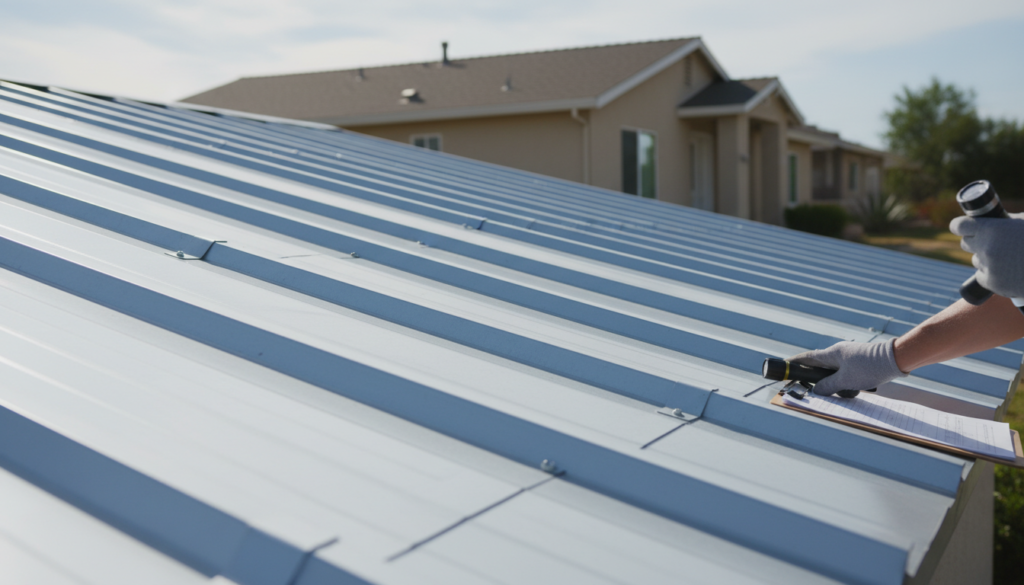
Traditional dark asphalt shingles in Hemet often require repairs or partial replacement within 10-12 years due to UV damage, heat stress, and material deterioration. These repairs might cost $500 to $2,000 per incident, with multiple repairs common over a roof's lifespan.
Energy efficient roofing materials designed for harsh climates require significantly less maintenance. Metal roofs typically need only periodic inspections and minor maintenance. Tile roofs rarely require repairs beyond occasional tile replacement after severe weather events.
Sample ROI Calculation for a Hemet Home
Let's examine a realistic scenario for a 2,000 square foot home in Hemet replacing a 15-year-old traditional asphalt shingle roof with an energy efficient metal roofing system.
Investment Costs
- Metal roof installation: $24,000 (approximately $12/sq ft for 2,000 sq ft)
- Removal of old roof: Included in installation cost
- Total investment: $24,000
Annual Benefits
- Cooling cost reduction: $285/year (25% savings on $1,140 annual cooling costs)
- Maintenance cost avoidance: $150/year (compared to aging asphalt roof)
- HVAC lifespan extension value: $400/year (extending $12,000 system by 3 years)
- Total annual benefit: $835
Long-Term Value
- 20-year cumulative savings: $16,700
- Home value increase: $12,000
- Remaining roof value after 20 years: $18,000 (metal roof still has 20-40 years of life)
- Total 20-year value: $46,700
- Net benefit over initial investment: $22,700
This calculation demonstrates that an energy efficient roof not only pays for itself but provides substantial additional value over its lifespan. The payback period for the energy savings alone is approximately 29 years, but when you include all benefits, the investment breaks even much sooner and continues delivering value for decades.
Invest in Long-Term Savings and Protection
Your roof represents a significant investment that should deliver lasting value. We help Hemet and San Jacinto homeowners choose energy efficient roofing solutions that reduce costs, extend equipment life, and increase property value. Our free consultation includes a personalized ROI analysis for your specific home.
Choosing the Right Energy Efficient Roof for Your Home
Selecting the optimal roofing system for your Hemet or San Jacinto home requires evaluating multiple factors beyond just energy efficiency ratings. Your decision should account for your specific circumstances, budget, and long-term plans.
Assessing Your Home's Specific Needs
Your home's architectural style, structural capacity, and current condition all influence which energy efficient roofing options work best for your situation.
Older homes built before modern building codes may require structural reinforcement to support heavier roofing materials like concrete or clay tile. A professional structural assessment determines whether your roof framing can handle these materials or whether lighter options like metal roofing make more sense.
Your home's architectural style also guides material selection. Spanish colonial or Mediterranean-style homes naturally complement tile roofing, while ranch-style homes might look better with metal or dimensional shingles. Choosing materials that enhance your home's aesthetic appeal protects your property value.
Budget Considerations and Financing Options
Energy efficient roofing often requires higher upfront investment than basic asphalt shingles, but numerous factors can make these upgrades more affordable than you might expect.
Many homeowners focus solely on initial cost without considering total cost of ownership. A $24,000 metal roof that lasts 50 years costs $480 per year, while a $12,000 asphalt roof that lasts 15 years costs $800 per year before considering replacement expenses. The premium product actually costs less over time.
Making Energy Efficient Roofing Affordable
- Home improvement financing with competitive rates and flexible terms
- Energy efficiency rebates from utility companies (check with your provider)
- Homeowner insurance discounts for impact-resistant or fire-rated materials
- Tax benefits for qualifying energy-efficient home improvements
- Value-engineered solutions that balance cost and performance
Questions to Ask Your Roofing Contractor
- What specific energy efficiency ratings do recommended materials have?
- How will the new roof perform in Hemet's specific climate conditions?
- What warranty coverage protects my investment?
- Can you provide references from other local installations?
- What maintenance will the roofing system require?
Color Selection and Aesthetic Impact
Roof color significantly affects both energy efficiency and curb appeal. Modern cool roofing technology allows you to choose darker colors that still provide excellent solar reflectance through specialized pigments.
Light-colored roofing materials naturally reflect more sunlight, but they may not suit every architectural style or homeowner preference. Cool roofing products now come in various colors, including medium and darker shades, that maintain high reflectance through infrared-reflective pigments.
Your color choice should consider your home's overall color scheme, neighborhood aesthetics, and local architectural trends. The right color enhances your home's appearance while delivering energy efficiency benefits.
Installation Quality Matters as Much as Material Selection
Even the best energy efficient roofing materials won't perform optimally without proper installation. Your contractor's expertise directly impacts your roof's energy efficiency, longevity, and overall performance.
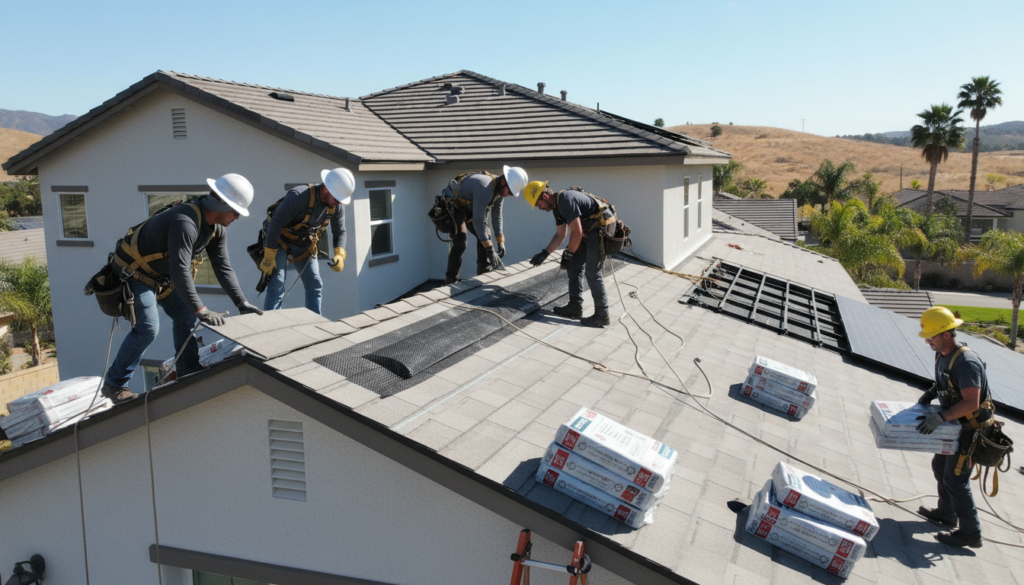
Proper installation includes correct ventilation design, appropriate underlayment selection, careful flashing details, and attention to manufacturer specifications. These details determine whether your roof delivers its promised energy savings and durability.
Working with experienced local contractors who understand Hemet's climate challenges ensures your roofing system is designed and installed to perform optimally in our specific environmental conditions. Local expertise makes a measurable difference in long-term roof performance.
Maintenance Tips for Maximum Energy Efficiency
Maintaining your energy efficient roof ensures it continues delivering optimal performance throughout its service life. Regular maintenance protects your investment and maximizes your energy savings.
Regular Inspection Schedule
Professional roof inspections should occur at least twice yearly, ideally in spring before summer heat arrives and in fall after summer stress has passed. These inspections identify small issues before they become major problems.
Spring Inspection Focus Areas
- Check for winter damage from rare cold weather or storms
- Verify ventilation systems are clear and functioning properly
- Inspect flashing around chimneys, vents, and roof penetrations
- Clean debris from valleys and drainage areas
- Verify all fasteners and seals remain secure
Fall Inspection Focus Areas
- Assess UV damage and material degradation from summer heat
- Check for any signs of attic heat damage or inadequate ventilation
- Clear gutters and drainage systems before winter rains
- Inspect for any loose or damaged roofing materials
- Verify insulation and radiant barriers remain effective
Ventilation System Maintenance
Your roof's ventilation system requires periodic maintenance to ensure proper airflow continues. Blocked or inadequate ventilation undermines energy efficiency regardless of roofing material quality.
Ridge vents, soffit vents, and gable vents should be inspected for blockages from dust, debris, or pest nests. Hemet's dusty conditions can gradually reduce airflow through ventilation openings, requiring periodic cleaning.
Attic temperatures provide a good indicator of ventilation effectiveness. During summer afternoons, your attic should not exceed outside air temperature by more than 30-40°F. Higher differentials suggest inadequate ventilation that should be addressed.
Keeping Reflective Surfaces Clean
Dust, dirt, and debris accumulation on roof surfaces reduces solar reflectance over time. While rain provides some natural cleaning, periodic professional cleaning maintains optimal energy efficiency for reflective roofing materials.
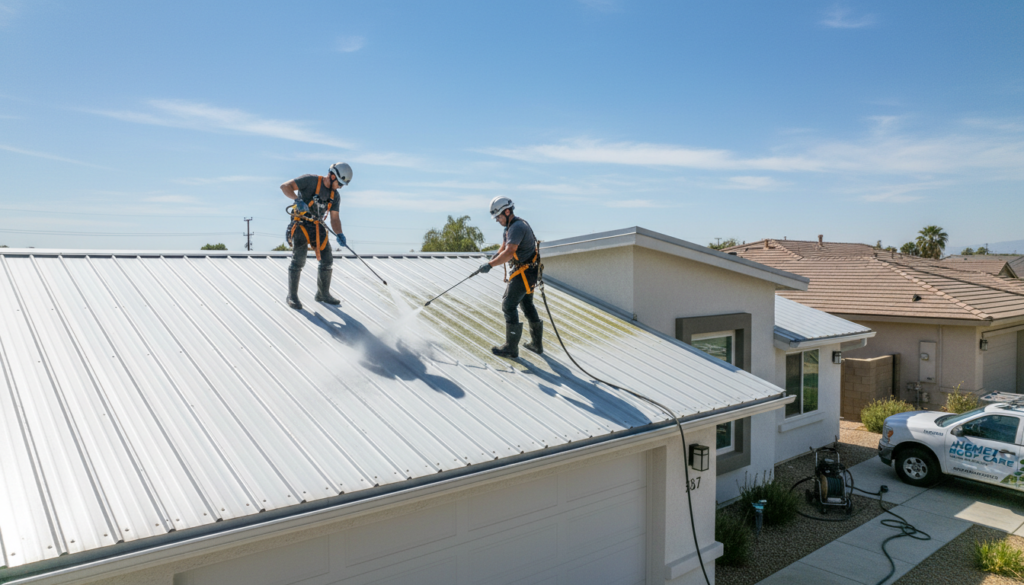
Metal roofs benefit from gentle cleaning every 2-3 years to remove accumulated dirt and maintain reflective coatings. Tile roofs may require periodic cleaning to prevent algae or mildew growth that can reduce reflectance and aesthetic appeal.
Professional roof cleaning protects your roofing materials while restoring energy efficiency. Improper cleaning methods can damage roofing materials, so professional service ensures safe, effective maintenance.
Addressing Small Problems Promptly
Minor roofing issues can quickly escalate in Hemet's harsh climate. A small crack or loose shingle might seem insignificant, but intense UV exposure and temperature extremes accelerate deterioration of compromised materials.
Prompt repairs maintain your roof's energy efficiency and prevent secondary damage to insulation, ventilation systems, or structural components. Small investments in timely repairs protect your larger roofing investment and maintain consistent energy performance.
Common Misconceptions About Energy Efficient Roofing
Several myths and misconceptions about energy efficient roofing can prevent homeowners from making informed decisions. Understanding the facts helps you evaluate options accurately.
Myth: Energy Efficient Roofing Only Benefits Hot Climates
While energy efficient roofing provides obvious benefits in Hemet's hot climate, these systems also improve comfort and efficiency during our cooler months. Quality roofing systems work in both directions, keeping heat out during summer and retaining warmth during winter.
Proper insulation and ventilation contribute to year-round comfort. During winter evenings when Hemet temperatures can drop into the 30s and 40s, your energy efficient roofing system helps maintain stable indoor temperatures and reduces heating costs.
Myth: Light Colors Are the Only Energy Efficient Option
Modern cool roofing technology uses specialized infrared-reflective pigments that provide high solar reflectance even in medium and darker colors. You can choose colors that match your aesthetic preferences while still achieving excellent energy efficiency.
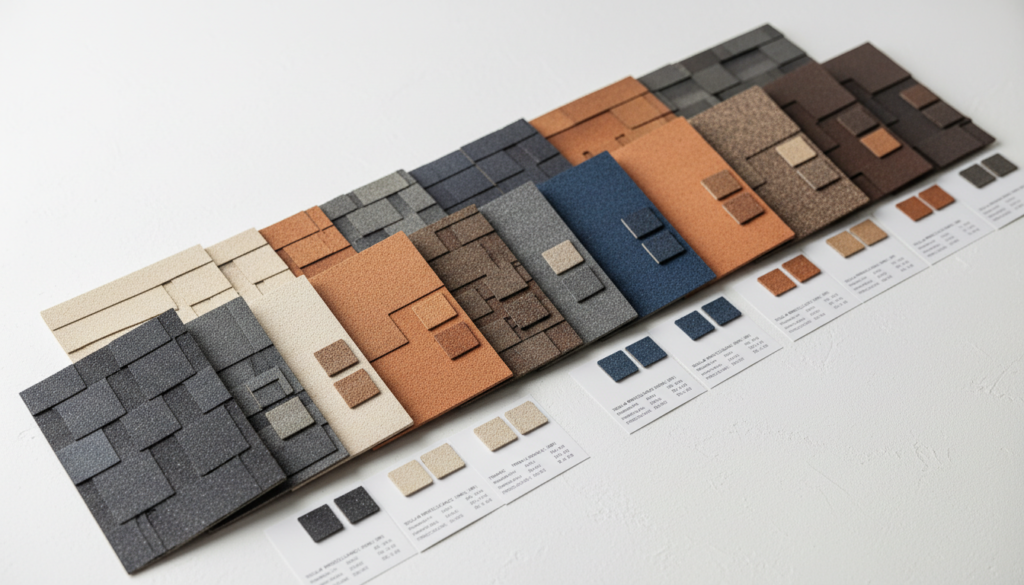
The key factor is the roofing product's Solar Reflectance Index (SRI) rating rather than its visible color. Products with high SRI ratings reflect infrared radiation effectively regardless of their appearance to the human eye.
Myth: Energy Savings Don't Justify Higher Initial Costs
This misconception focuses solely on short-term thinking and ignores total cost of ownership. When you account for energy savings, reduced maintenance, extended HVAC life, and increased home value, energy efficient roofing delivers substantial financial benefits that far exceed the initial investment premium.
Additionally, financing options make premium roofing materials accessible with manageable monthly payments that may be offset entirely by energy savings and avoided maintenance costs.
Myth: All Energy Efficient Roofing Performs the Same
Significant performance differences exist between various energy efficient roofing materials and products. Metal roofing, cool asphalt shingles, and tile systems each offer different combinations of reflectance, emittance, ventilation, and thermal mass properties.
Product quality also varies within each category. Premium energy efficient products outperform economy versions in energy savings, durability, and long-term value. Working with knowledgeable contractors helps you understand these differences and select optimal solutions for your specific situation.
Why Hemet and San Jacinto Homeowners Choose Outer Shield Roofing
Your roofing investment deserves expert guidance from professionals who understand our region's unique challenges. Our team brings specific expertise in energy efficient roofing solutions designed for Hemet and San Jacinto's demanding climate.
Local Climate Expertise
We've been serving Hemet and San Jacinto homeowners for years, giving us intimate knowledge of how roofing materials perform in our specific desert climate. We understand the challenges that intense UV exposure, extreme temperature swings, and occasional severe weather create for roofing systems.
This local expertise means we recommend solutions based on real-world performance data from our region rather than generic advice that might work elsewhere but fall short in our climate. Our recommendations reflect what actually works in Hemet and San Jacinto.
Comprehensive Energy Assessments
We don't just install roofs. We evaluate your entire home's thermal envelope to ensure your roofing investment delivers maximum energy efficiency. Our assessments examine ventilation, insulation, attic conditions, and how your new roof will integrate with existing building systems.
This comprehensive approach ensures you receive accurate ROI projections based on your specific home rather than generic estimates. We provide realistic expectations about energy savings and help you make informed decisions about your roofing investment.
Quality Materials and Workmanship
We partner with leading roofing material manufacturers to offer products specifically rated for harsh desert climates. Our installations follow manufacturer specifications precisely to ensure warranty coverage and optimal performance.
Every installation receives the same attention to detail regardless of size or scope. Proper flashing, adequate ventilation, quality underlayment, and careful attention to manufacturer requirements ensure your roof performs as designed for decades to come.
Transparent Communication and Fair Pricing
We provide detailed written estimates that clearly explain material options, installation procedures, and pricing. You'll understand exactly what you're receiving and why different options carry different costs.
Our pricing reflects the quality materials and expert workmanship required for superior energy efficient roofing installations. We never cut corners or compromise quality to offer artificially low prices that lead to problems later.
Ready to Reduce Your Energy Bills and Protect Your Home?
Stop letting your roof drain your wallet every summer. Our team provides free consultations and detailed energy assessments that show you exactly how much you can save with the right energy efficient roofing solution. We'll evaluate your home's specific needs and recommend options that deliver real results in Hemet's challenging climate.
Taking Action: Your Next Steps Toward an Energy Efficient Roof
You now understand how energy efficient roofing can transform your Hemet or San Jacinto home's comfort, reduce your energy costs, and provide lasting value. The question is no longer whether energy efficient roofing makes sense, but how quickly you can start enjoying its benefits.
Every summer month you delay means continued high energy bills, excessive HVAC wear, and uncomfortable indoor temperatures during our region's most challenging weather. Your roof works against you when it should be protecting you.
What to Expect from Your Free Consultation
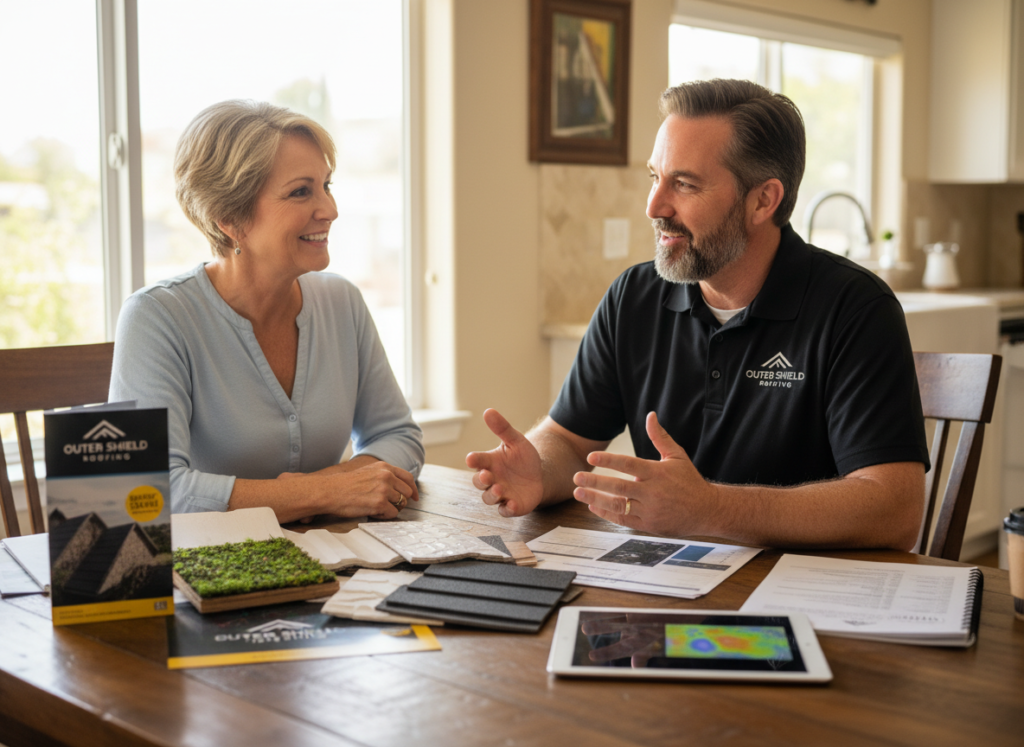
When you contact us, we'll schedule a comprehensive roof evaluation at your convenience. This assessment includes thorough inspection of your current roof condition, attic ventilation evaluation, and discussion of your goals and concerns.
We'll examine your home's specific characteristics including architectural style, structural capacity, and current building systems. This information helps us recommend energy efficient roofing solutions that work optimally for your particular situation.
You'll receive a detailed written proposal that explains material options, energy efficiency ratings, expected performance in our climate, and comprehensive pricing. We'll answer all your questions and help you understand the long-term value of different options.
Investment in Comfort, Savings, and Protection
Your energy efficient roof represents far more than a construction project. It's an investment in your family's comfort during brutal summer months. It's protection for your home's structural integrity against our harsh climate. It's a monthly reduction in energy costs that adds up to thousands of dollars over time.
Most importantly, it's peace of mind knowing your home is protected by a roofing system designed specifically to handle everything Hemet and San Jacinto weather can throw at it.
The best time to install an energy efficient roof is before summer heat arrives. Don't wait until your old roof fails during our hottest months or until another scorching summer drives your energy bills to painful levels.
Start Saving Today
Contact Outer Shield Roofing now for your free consultation and energy assessment. We'll show you exactly how much you can save and help you choose the perfect energy efficient roofing solution for your home.
Call us at (951) 929-0557 or visit our service area to learn more about how we help Hemet and San Jacinto homeowners reduce energy costs and protect their most valuable investment.
Your roof should work for you, not against you. Let us show you how the right energy efficient roofing system can transform your home's comfort and reduce your operating costs for decades to come.