
Fact: Many homeowners face urgent roofing repairs after major storms; small issues grow fast when left unaddressed.
Prevent 80%+ of costly repairs with a proven roof maintenance plan built for Hemet’s hot summers and strong sun. A minimum of two professional inspections per year (spring and fall) — plus checks after major storms or extreme heat — catches flashing failures, clogged gutters, and early shingle wear before they let water in.
You can stop minor problems from becoming expensive repairs by acting early. Outer Shield Roofing serves Hemet, Temecula, Murrieta, Menifee, Moreno Valley, Riverside, and Fallbrook with trusted roofing maintenance and repair services.
Trust experienced technicians to evaluate insulation, ventilation, water entry points, and shingles so you protect your home year-round. Ready to schedule a Hemet inspection? Call Outer Shield Roofing or book online for fast, local service: Schedule a roof inspection.
Key Takeaways
- Schedule professional inspections at least twice a year (ideal time: spring & fall) and after major storms to catch issues early.
- Quickly address debris, clogged gutters, and flashing problems—these maintenance tips prevent leaks and costly water damage.
- Different seasons create different stresses: heat, sudden storms, and winter moisture all affect roofing materials—plan seasonal checks.
- Outer Shield Roofing — licensed and local to Hemet with years of experience — offers inspections, roofing maintenance, and repairs across the area.
- Early action saves money: a small maintenance job today often prevents costly repairs later.
The Importance of Seasonal roof maintenance Tips in Hemet
A timely inspection finds hidden leaks, improves indoor comfort, and helps lower energy bills by ensuring your roof system and attic are working properly.
Good roof maintenance protects your home by focusing on ventilation, insulation, and water flow. In Hemet’s high-heat summers, poor attic ventilation and insufficient insulation cause attic temperatures to spike — which accelerates shingle aging and raises cooling costs. A professional inspection confirms vents, attic insulation, and roof decking are performing as intended to preserve energy efficiency.
Routine roofing maintenance is also the best time to clear gutters and remove debris so water drains freely. Clear channels prevent water backup that can damage fascia, siding, and foundation — and the small effort of cleaning gutters in the fall and again in spring helps prevent many common problems before they escalate.
- Why it matters: Regular roof maintenance extends material life and reduces the risk of costly repairs by catching issues early.
- When to act: Ideal time: spring and fall inspections, plus checks after major storms or extreme heat events.
- Energy efficiency tip: If your attic is hot or you see daylight through roof vents, schedule an insulation and ventilation assessment to lower cooling loads.
If you’re planning upgrades or need shingle advice, see our asphalt shingle installation resource: asphalt shingle installation, or contact us for a tailored Hemet inspection (recommended minimum twice per year).
Identifying Common Roofing Problems Before They Escalate
Recognizing common failure points lets you act fast and protect your home’s structure. A short inspection after heavy weather reveals worn areas that lead to leaks and costly repairs — focus your check on flashing, underlayment, shingles, and gutters.
Flashing Failures and Underlayment Wear
Flashing around chimneys, vents, and valleys can corrode, pull loose, or lose sealant; underlayment also ages and breaks down over time. Outer Shield Roofing frequently finds flashing and underlayment breaches are primary causes of post‑storm leaks. Priority: repair flashing first, then replace compromised underlayment to stop water entry.
Signs of Heat Damage and Aging
Different roofing materials age at different rates. Asphalt shingles commonly show curling, granule loss (you may see granules in gutters), and cracking from prolonged sun and heat, while concrete or clay tiles can develop hairline cracks. If your roof is approaching 20 years, or you see widespread granule buildup in gutters, schedule an expert evaluation to assess remaining life by material.
Detecting Roof Leaks After Rain
Start inside: look for water stains on ceilings, damp insulation, or sagging decking in the attic. Outside: check for missing or lifted shingles, cracked tiles, and gutters/downspouts clogged with debris — clogged gutters force water under the eave and accelerate water damage.
Safety note: avoid climbing steep roofs alone. If a roof inspection is unsafe or the problem looks extensive, contact a licensed contractor for a professional assessment and repairs: Outer Shield Roofing.
“Early inspection saves time and prevents costly repairs.”
- Flashing and underlayment issues are common causes of post‑storm leaks — inspect seals around penetrations first.
- Missing or cupped shingles and granule loss point to heat damage and aging shingles.
- Clean gutters and timely repairs reduce long‑term water buildup and structural damage.
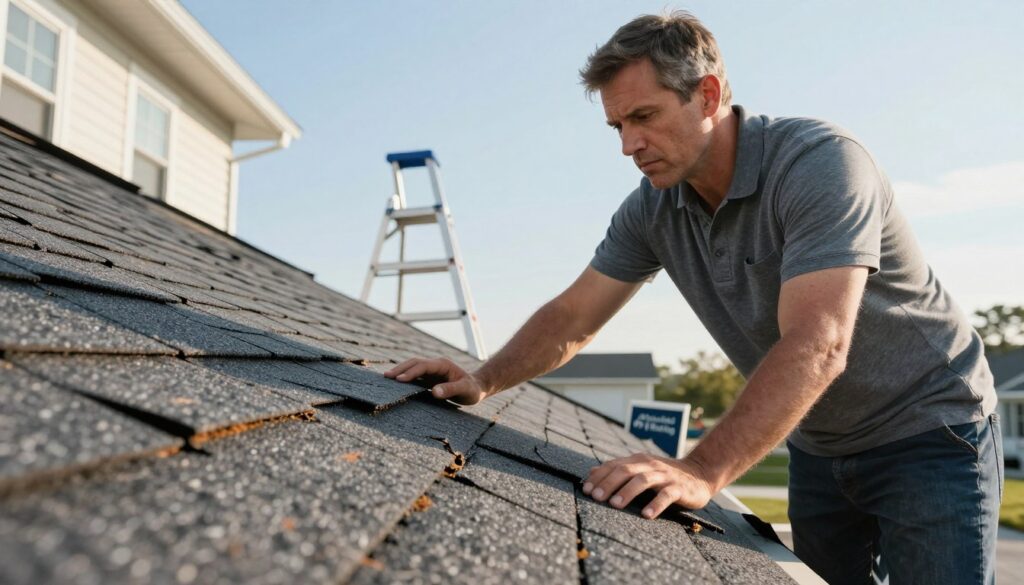
Seasonal strategies for Hemet homes — maintenance that prevents costly repairs
Targeted care at the right time reduces stress on shingles and other roofing materials. A clear seasonal plan helps you avoid common issues caused by heat, water, and debris and keeps roofing materials performing longer.
Spring and Summer Care
Spring: clear gutters and downspouts (about 30–60 minutes for most homes), remove algae and moss, and trim nearby branches so water drains freely before summer heat sets in. If you find heavy algae or moss, consider professional cleaning to avoid shingle damage.
Summer: high temperatures make materials expand and contract, accelerating wear. In Hemet’s hot summers, check flashing and attic insulation for signs of heat stress or warping — poor ventilation raises attic temperatures and shortens shingle life. If you suspect heat damage, schedule an inspection for a quick evaluation.
Outer Shield Roofing recommends a brief follow-up inspection after any extreme weather to catch early signs of damage and keep your home cooler and more energy efficient.
Fall and Winter Preparation
Fall is the ideal time to remove leaves and debris, trim overhanging branches, and clear gutters so rain runs away from the roof. These maintenance tips reduce debris buildup and lower storm damage risk.
Before winter, inspect for missing shingles, damaged flashing, and adequate insulation to reduce the risk of water entry. While Hemet rarely sees heavy snow, colder months and runoff can still expose weak points — addressing them now prevents water-related damage later.
Consistent cleaning of gutters and downspouts and routine roofing maintenance keep asphalt shingle roofs and other roofing materials performing their best through changing weather.
“Small, timely actions prevent costly repairs later.”
When to Call a Professional Roofing Contractor
If you spot sagging decking, large water stains, or sudden daylight in the attic, call a licensed contractor right away. Those are clear signs structural damage may be present and require fast action to prevent further water damage and safety risks.
Outer Shield Roofing provides fast roof repair and inspection services across the Hemet area and nearby communities — call or schedule an emergency inspection if you suspect serious problems.
Signs of Structural Damage
Contact a contractor immediately when you notice persistent leaks after a strong storm, visible sagging in decking, or large interior stains. These signs often indicate the framing, underlayment, or sheathing may be compromised and need professional evaluation.
Other indicators that you may need a full inspection include missing shingles, widespread water stains, or repeated buildup that can form ice dams in colder climates. In Hemet, ice dams are rare, but attic moisture and insulation issues still cause damage and should be checked. Flashing repairs and ice-dam mitigation often require specialized tools and experience.
- If you see sagging sections or structural movement anywhere on the roof, contact a licensed contractor right away.
- Persistent leaks after a storm typically mean you need a professional inspection rather than a DIY patch.
- Contractors handle complex issues such as flashing failure, attic moisture, and ice-dam prevention that are unsafe for DIY work.
“Structural concerns deserve prompt, licensed attention to protect your home and family.”
| Visible ProblemLikely CauseProfessional Action | ||
| Sagging decking | Compromised rafters or wet sheathing | Structural repair and safety evaluation |
| Persistent leaks | Flashing failure or underlayment breach | Targeted repairs or replacement of affected materials |
| Missing shingles & water stains | Aging materials or storm damage | Shingle replacement or full-system assessment |
| Ice dams and attic moisture | Poor insulation or ventilation | Insulation upgrade and ice dam prevention |
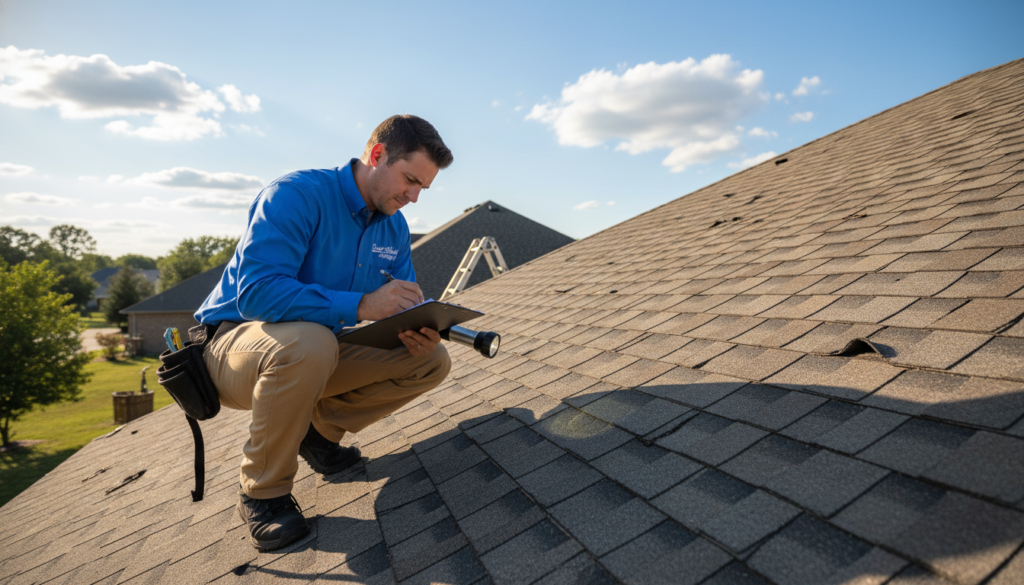
Immediate steps homeowners can take before a pro arrives: place buckets under active drips, move valuables away from affected areas, and avoid temporary roof access if it’s unsafe. Do not attempt major repairs yourself — improper patchwork can worsen issues or void warranties.
For more guidance and local service options, see our collection of posts at our blog or contact Outer Shield Roofing to request an inspection in your area.
Evaluating Repair Versus Replacement Decisions
Deciding between a targeted repair and a full replacement starts with a clear assessment of current material condition, recent repair history, and the future risk to your roof and home.
Outer Shield Roofing provides a Repair vs. Replace consultation to help Hemet homeowners weigh options. We inspect the age and condition of your roofing materials, look for visible damage caused by summer heat or storms, and check for repeated leaks or water entry that signal deeper problems.
Use these practical triggers when you evaluate your roof: if you have widespread shingle curling, extensive granule loss (find granules in gutters), or the system is approaching the typical lifespan for the material (for many asphalt roofs that’s ~20 years; tile and metal vary), replacement may be the more durable and cost-effective choice. Frequent repairs—especially more than 2–3 separate jobs in two years—often cost more over time than a single energy-efficient replacement.
Our assessment includes the structure beneath the surface. If water has compromised decking or framing, repairs may be temporary; a full system upgrade could be required to protect your home long term and improve energy efficiency in Hemet’s hot climate (consider cool-roof materials and better insulation).
- Consultation: We evaluate damage, age, and repair history and provide a clear recommendation.
- Cost comparison: Typical annual maintenance: $200–$600; minor repairs: $500–$3,000; major repairs: $3,000–$8,000; replacement: $8,000–$20,000+. Use these to compare recurring repair spend vs. replacement value.
- Quick checklist: Replace if you have (a) repeated leaks, (b) widespread shingle failure, or (c) structural wet decking.
“A thoughtful inspection reveals whether repairs will restore protection or if a replacement offers better long‑term value.”
| Condition ObservedLikely OutcomeRecommended Action | ||
| Isolated leaks, minor flashing issues | Local repair effective | Targeted repairs and monitoring |
| Widespread shingle curling or granule loss | System nearing end of life | Consider full replacement within 1–3 years |
| Repeated leaks and wet decking | Underlying water damage | Replace affected materials and evaluate structure |
| Storm damage across large areas | May need full system renewal | Insurance review and replacement estimate |
Ready for a clear Repair vs. Replace recommendation? Request a consultation and we’ll provide a documented assessment, cost comparison, and local energy-efficiency options tailored for Hemet homes.
Conclusion
Simple, timely actions greatly extend the life of your roofing materials. Regular roof maintenance protects your home, keeps roofing systems performing well throughout the year, and helps avoid the steep costs of unexpected system failures.
Following clear maintenance tips—twice‑yearly inspections, gutter cleaning, minor flashing and shingle repairs—preserves energy efficiency and reduces the chance of water damage. Typical annual maintenance costs ($200–$600) are a small investment compared with major repairs or replacement.
Outer Shield Roofing is committed to professional, licensed service for Hemet homeowners. When you schedule a Hemet inspection, expect a 30–60 minute on‑site check, a documented findings report with prioritized repairs, and a transparent estimate. Schedule your Hemet roof inspection or call to get immediate guidance on roof repair and protection.
Stay proactive: a quick check now saves money and worry later.